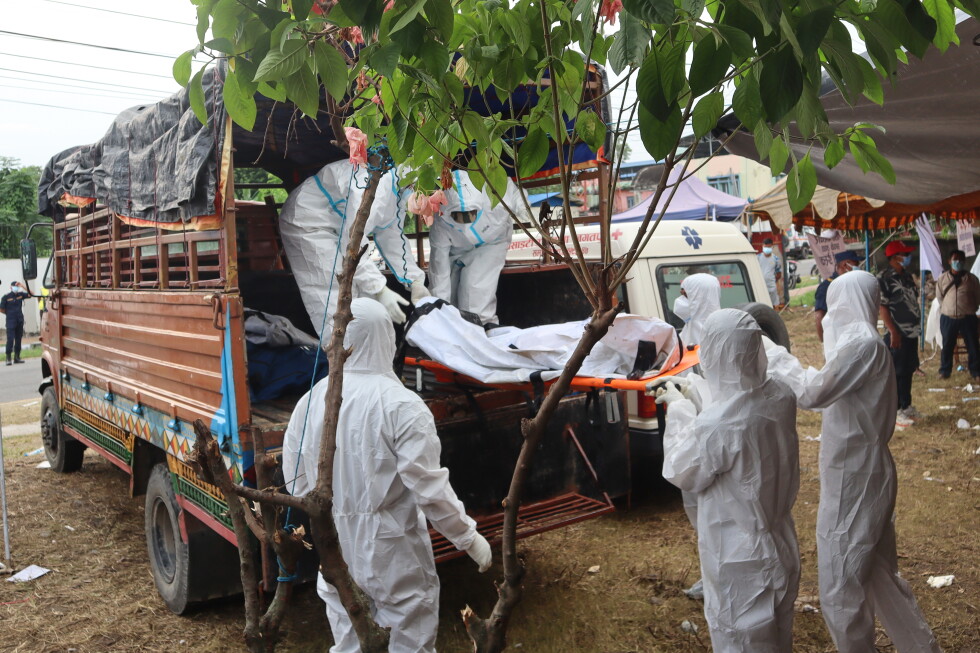
In south-central Nepal's Chitwan district, some 250 bodies of flood victims are awaiting identification, while rescuers are forced to bury them in temporary graves. This was reported by Qazaqyia.kz citing Associated Press.
Wednesday's catastrophic floods and mudslides killed at least 800 people and left more than 3,000 missing in Nepal and Tibet. The Bhotekoshi River carried bodies hundreds of kilometers downstream from the flood's epicenter to Chitwan.
On Saturday, authorities conducted a temporary burial of about 100 victims, officials said. Forensic teams are struggling to identify the bodies amid the massive disaster.
In the Hindu-majority region, funeral traditions are important, but the forced temporary burials are causing resentment among relatives. Chitwan residents are flocking to morgues, trying to find their loved ones.
Given the scale of the catastrophe, authorities are forced to conduct temporary burials, the local administration said. Rescue operations continue, with search teams scouring riverbanks and devastated villages.
This disaster highlights the increasing frequency of natural calamities in the Himalayan region due to climate change. Experts emphasize the need to improve early warning systems to prevent such events.
The situation in Chitwan district remains dire, with locals in need of assistance. The government is providing humanitarian aid, but the scale of the disaster is causing resource shortages.
Rescuers and volunteers are involved in collecting and burying bodies. This process may take several days, local authorities report.
Families affected by the disaster face tragic circumstances, with many unable to find the bodies of their relatives. People are queuing at morgues seeking information.
This event underscores the heightened flood risk in Nepal and the importance of emergency preparedness. Experts warn that climate change will make such disasters more frequent.
The temporary burials in Chitwan may contradict Hindu traditions, religious leaders noted. However, authorities consider this measure necessary to ensure public health.
Search operations are ongoing, and the death toll may rise. The Nepalese government has appealed for international aid, with neighboring countries offering support.
This disaster is one of the largest natural calamities in the Himalayan region. Its consequences will be felt for a long time, experts said.