Within a week, two major touring musicals and a $20m opera were forced to cancel shows, putting hundreds out of work. Experts have warned the federal government that Australia's theatre industry is in desperate need of tax reform to keep it alive. This was reported by Qazaqyia.kz citing The Guardian.
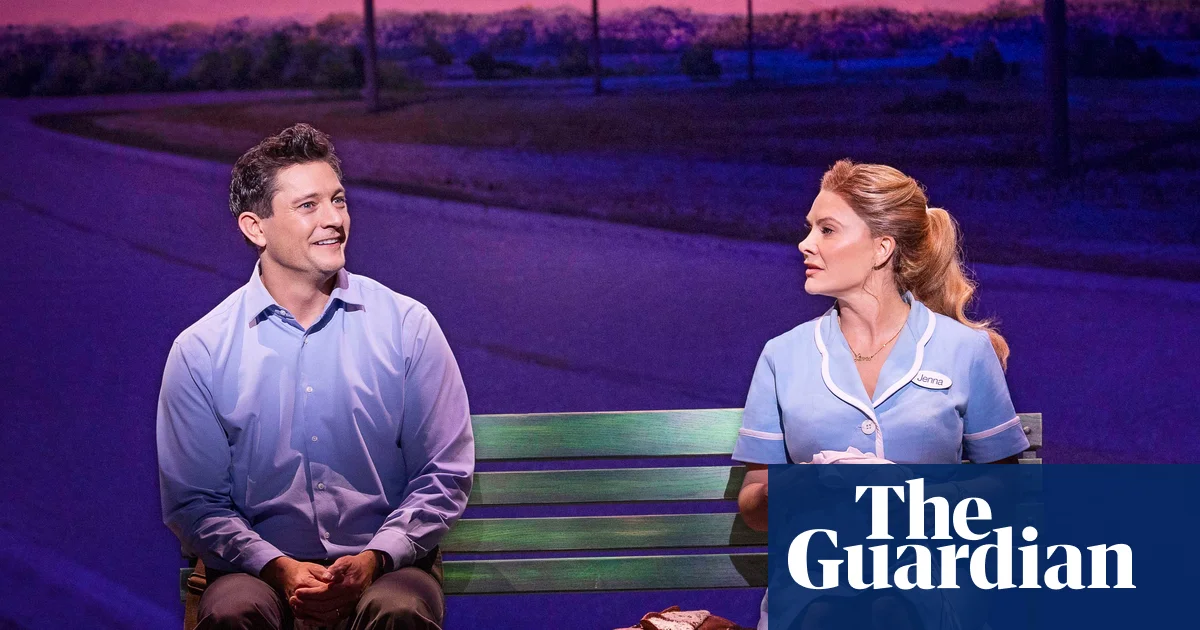
Broadway musical Waitress, starring Rob Mills and Natalie Bassingthwaighte, announced on Sunday that it would end in Melbourne on 19 July, and will not tour to Sydney in August as planned.
And Beetlejuice, which was written by Australian performer Eddie Perfect and has been staged on Broadway and the West End, announced on 20 June that it would cancel its Australian tour and end in Brisbane three weeks early. The show was originally set to go to Perth for three weeks, Adelaide for two and Sydney for seven.
Both productions cited multiple factors including rising production costs, the costs of touring, cost-of-living pressures such as interest rate rises that were affecting sales, and lower consumer confidence changing ticket-buying behaviour.
Crossroads Live Australia chief executive John Frost, who produced Waitress, said in a statement that "whilst audience enthusiasm for our work remained strong, attendance levels and box office have not been sufficient to support the cost of the production".
Beetlejuice's production company, Michael Cassel Group, said in a statement that "for a production of this scale, the current logistical realities of touring across vast distances between Australian cities have created increasing cost pressures that ultimately made continuing the run unsustainable. While audience enthusiasm for the show has been encouraging, a more cautious consumer environment combined with the economics of moving a production of this magnitude could not be justified. It is a difficult decision, and not one we made lightly."
And on Friday, blockbuster Italian opera Aida announced it would no longer come to Adelaide in February 2027 despite selling 17,000 tickets, due to the huge rise in production and touring costs amid the Iran-US war.
TEG Live's head of touring, Claudia Coffey, told ABC Adelaide that the company lost $2m and five years of work by cancelling Aida now, but "bringing 400 people and 28 containers became totally untenable," adding, "if we sold every single ticket to the show with the increased freight costs and travel costs, we would be at a loss".
Graeme Kearns is chief executive officer of Foundation Theatres, which runs Sydney's Capitol Theatre, where Beetlejuice was headed, and the Lyric, where Waitress was meant to go. He told the Guardian that the two theatres will now likely be dark for 30 of the next 40 weeks, which would mean "hundreds of people will be out of work, from performers and musicians to wardrobe, wigs, makeup, stage technicians, administrators, ushers and bar staff."
"It will be a very difficult six months ahead of us all. We will of course try to find alternatives for the theatres, but with short lead times and tough economic conditions, that will be very difficult to achieve," he said.
"Buying a ticket for a show, no matter how good the show is, is at the very apex of discretionary expenditure … Encouraging patrons to buy a ticket to something they are unfamiliar with is more difficult than I have ever seen."
Some theatre lovers responded to the news by lamenting online that they had waited too long to buy tickets. But Suzanne Jones, CEO of Jones Theatrical Group which is now staging the musicals Pretty Woman and Book of the Mormon in Australia, and Mrs Doubtfire at the end of 2026, said major musicals needed more than just sales.
"The market is there, but the costs are rising faster than the ticket prices are, and that's just a squish," she said. "Freight costs, labour costs – all of those things are going up at a greater rate than ticket sales are."
Other musicals that recently cut their tours short include Back to the Future and Dear Evan Hansen, the latter calling off the Canberra and Adelaide legs due to ticket sales.
Jones is one of a number of Australian theatre industry experts calling for desperately needed tax concessions similar to those available to other cultural industries. Australian films currently receive up to 40% tax offsets on production costs, while games and television receive 30%.