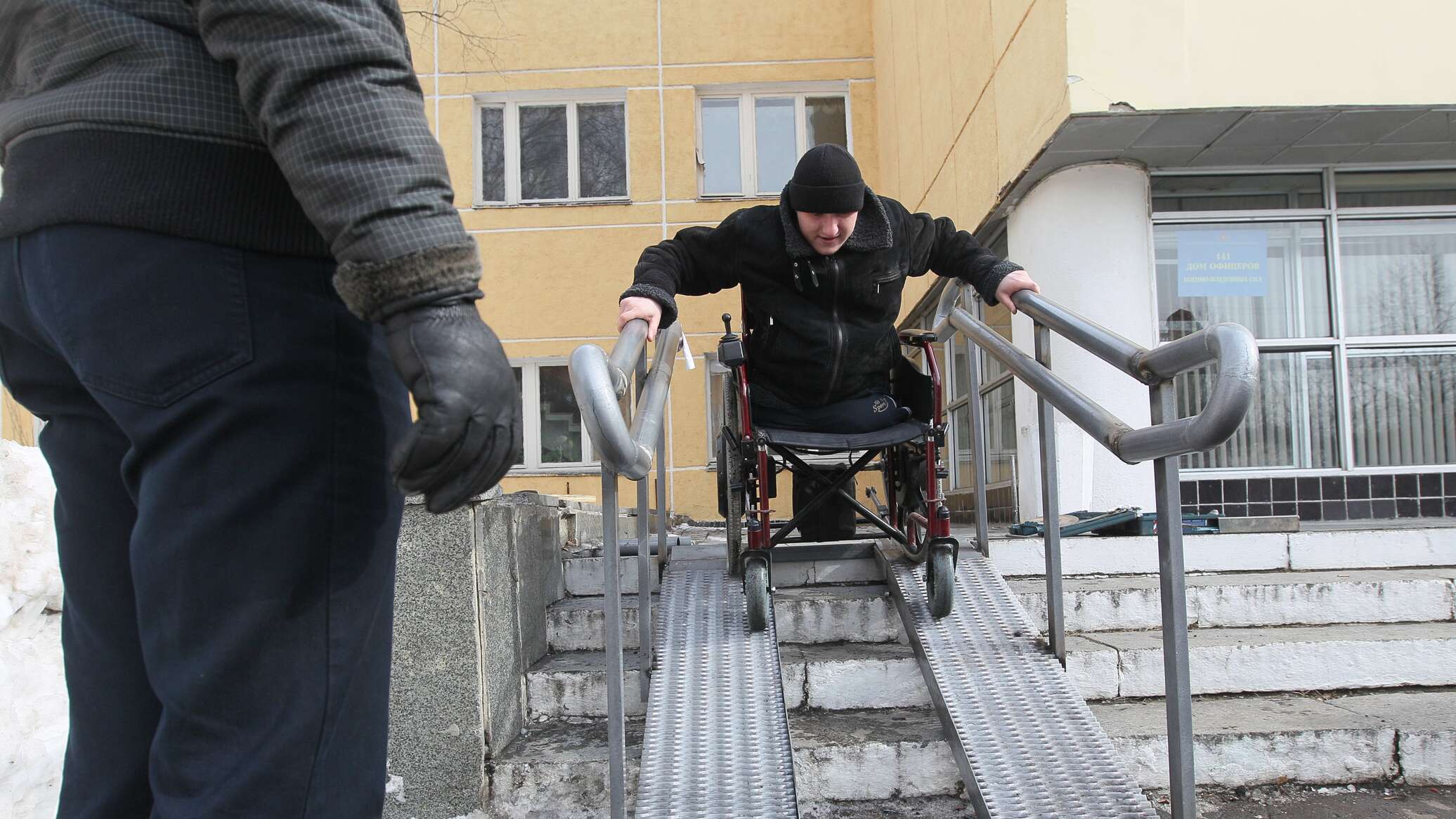
Before being commissioned, construction facilities are checked for compliance with accessibility requirements. As of 1 October, the Ministry of Labour and Social Protection of the Population received 562 applications to confirm the accessibility of construction facilities for people with disabilities and people with limited mobility. This was reported by Qazaqyia.kz citing Sputnik Kazakhstan.
259 applications were not approved
According to the ministry, compliance declarations were approved for 147 applications. However, 259 applications, or 46%, were not approved. The remaining applications are still under review.
Why approval was not granted
One of the main reasons is that facilities do not comply with accessibility requirements set out in construction norms and rules. According to the ministry, for example, some ramps lack handrails or they are installed incorrectly. Doors of buildings are also narrow. Such shortcomings hinder citizens' safe entry into and exit from the building and free movement inside.
Facility inspections came into force on 1 July
In addition, some applications concerned facilities for which approval of a declaration on accessibility requirements is not mandatory. The ministry's statement says: "Since 1 July of this year, the accessibility of construction facilities for people with disabilities and people with limited mobility is being studied. Declarations on the facility's compliance with requirements are also being approved."
What requirements are imposed on builders
When checking a facility's accessibility, attention is paid not only to the presence of a ramp and handrails, but also to whether a person can safely enter the building, move freely inside and use the necessary services. In particular, this includes the accessibility of entrances and movement paths, compliance of ramps, handrails and doorways with established requirements, as well as the accessibility of sanitary rooms.
In addition, attention is paid to the presence in the building of necessary information signs and means that help with orientation through sight and touch. The needs of people using wheelchairs and people with visual and hearing impairments are also taken into account.