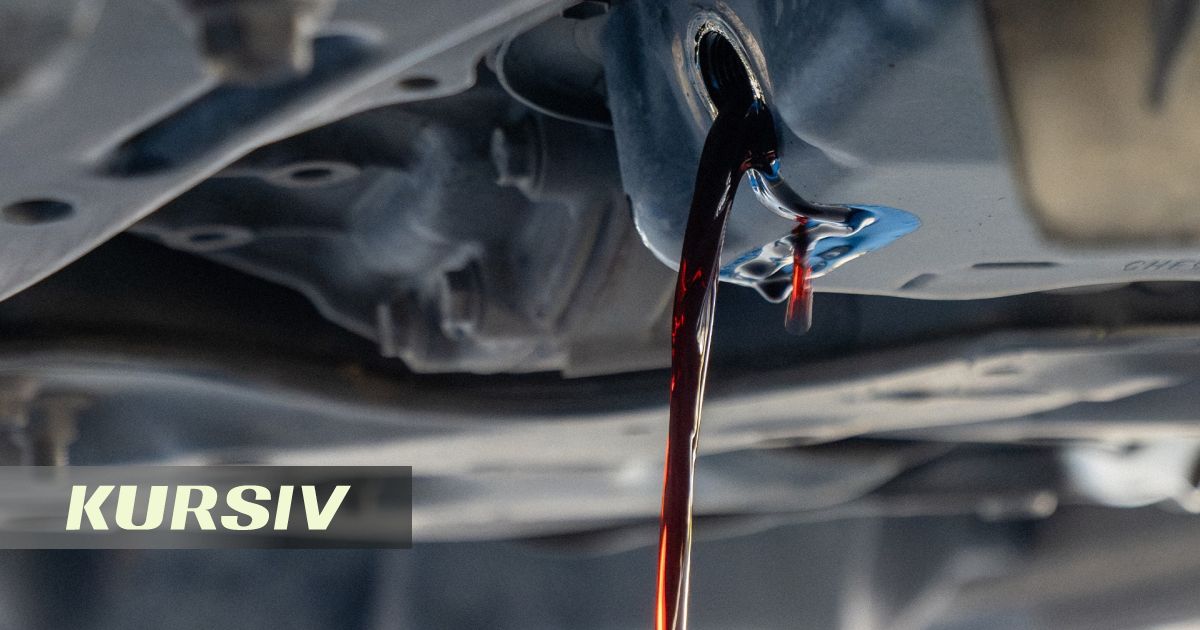
Changing engine oil every 15,000 km, as many drivers do, does not suit all cars. With frequent driving in traffic jams, short routes and regular cold starts, it loses its properties faster, reports «Автоновости дня» citing auto expert Andrey Babushkin. This was reported by Qazaqyia.kz citing Kursiv Media.
Contamination buildup and the role of the filter
According to the specialist, as the oil is used, it accumulates contaminants, which worsens its lubricating and protective properties. A clogged oil filter can open the bypass valve, and oil will flow into the engine without full filtration. Soot and metal particles accelerate wear of parts, and deposits can block oil channels.
Recommendations on change frequency
Babushkin advises changing the oil together with the filter every 10,000 km, and in case of frequent traffic jams, warm-ups and short trips — every 5–6 thousand km. These values are the expert's recommendation, not a universal regulation. During maintenance, the car manufacturer's requirements and operating conditions must be taken into account.
The impact of short trips
During short trips in frost, the engine may not have time to warm up to operating temperature. Moisture accumulates in the crankcase, which, together with old oil, contributes to the formation of deposits.
According to Babushkin's recommendation, if the car has driven 6–8 thousand km since the last oil change or often stood in traffic jams in summer, it is advisable to change the oil before winter.
About winter oil
At the same time, modern cars usually do not require special winter oil. The main thing is to observe the viscosity and approvals of the automaker. The expert recommends synthetic oils, which better retain fluidity in frost. For example, in the SAE 5W-30 designation, the first part indicates the low-temperature properties of the oil.
Signs for unscheduled replacement
If the oil has become completely black, lost fluidity or clearly smells of burning or fuel, the specialist advises replacing it regardless of mileage. However, color alone does not allow accurately determining the residual life of the oil, since it can darken during normal engine operation as well.
Earlier, Kursiv Auto reported on how drivers themselves kill the engine in autumn.