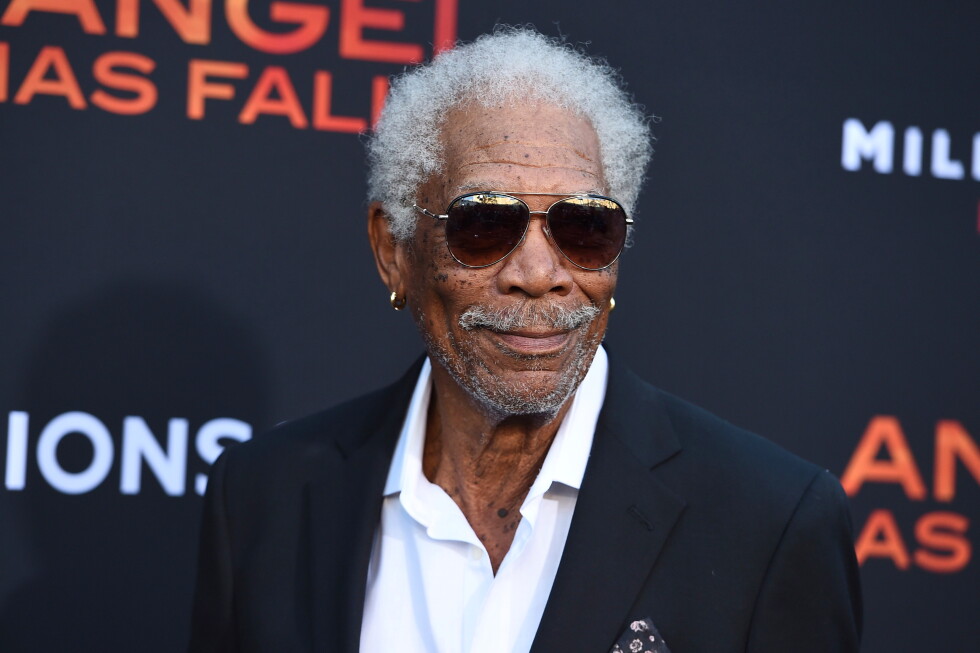
NEW YORK (AP) — It happened out of necessity. Academy Award-winner Morgan Freeman was in Clarksdale, Mississippi, 25 years ago when some out-of-towners asked where they could hear blues music. Musicians were abundant; venues were not. This was reported by Qazaqyia.kz citing Associated Press.
“There was no place where we could guarantee that you could go in and hear it,” he told The Associated Press. “So, we had to establish that.”
Freeman and his business partners, then-Mayor Bill Luckett and Howard Stovall, were inspired to open a juke joint in Clarksdale called Ground Zero Blues Club. Then, much more recently, they created “Morgan Freeman’s Symphonic Blues Experience,” a touring ensemble of blues musicians who marry the beloved Southern genre with classical, symphonic compositions. On Friday, they’ll release an album under the same name.
The legendary actor is a producer and narrator on the release, not a performer. That’s left up to the professionals: all-star acts like Taj Mahal, Keb’ Mo’, Shemekia Copeland, Tiernii Jackson, the Stax Music Academy Choir, the Chineke! Orchestra out of London, and many more.
“I like the blues. I like music. I cannot claim to be an aficionado. That’s not my place,” says Freeman. “I’m an enthusiast, but that’s a necessity.”
Before the album, the “Morgan Freeman’s Symphonic Blues Experience” traveling performances were born out of a simple idea: How could Freeman and his team bring this music to the world?
“Blues is an important American story birthed in the Mississippi Delta out of hardship but obviously resonates with people and cultures on a global basis, both for how good it sounds, but also the message underneath it,” said Eric Meier, Freeman’s partner and co-producer on the project who joined the actor’s blues club in 2018. “We conceived of this concept to really take this music to new geographies and new audiences.”
Turning the live performance into an album meant cutting down a nearly two-hour show to around 45 minutes across 12 tracks, while still honoring the format. It includes video vignettes as well as “cinematic narration,” courtesy of Freeman, recorded at the club in Clarksdale.
“We offer a musical story, a 100-year arc from the 1930s to modern day, so the evolution of blues music,” says Meier.