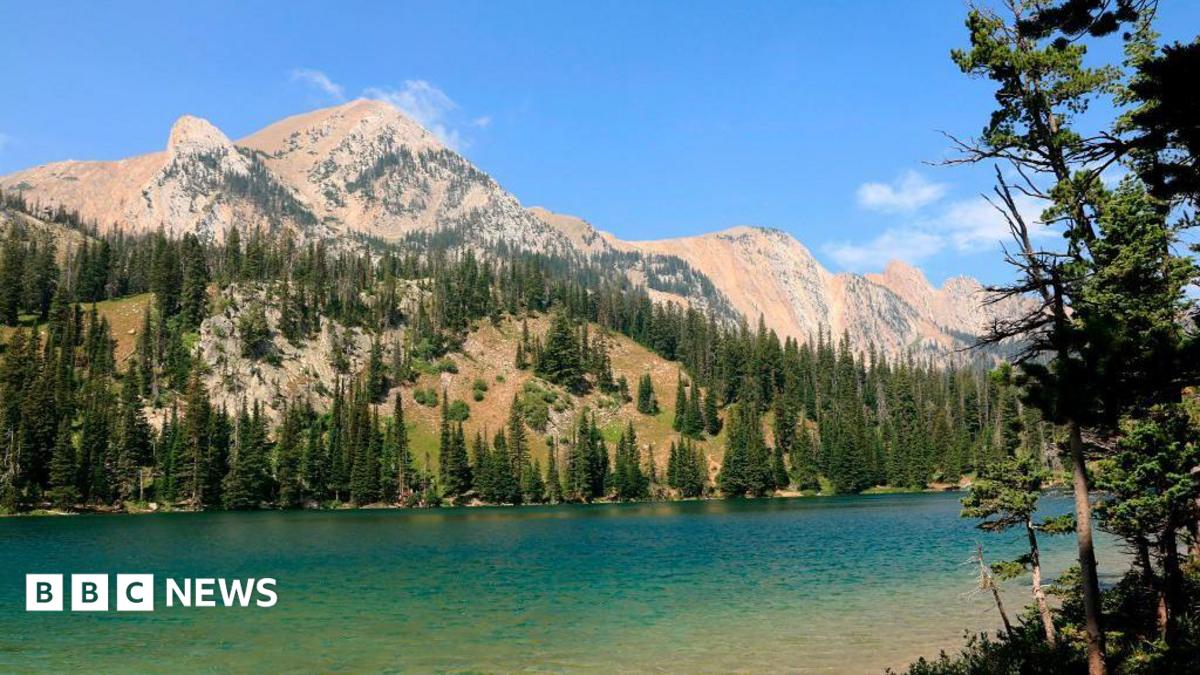
Grandmother Sara Folger sits in the kitchen of her single-wide trailer, the Rocky Mountains looming in the distance, and remembers the Bozeman, Montana she fell in love with decades ago. Back then, Folger says, the rural western outpost was filled with "back-to-the-land hippies, college students, cowboys and ski bums". But nowadays, the formerly sleepy streets are awash with diggers, orange construction cones and out-of-state license plates. This was reported by Qazaqyia.kz citing BBC News.
Since the pandemic, Bozeman's population has grown by about 20% - a huge jump for a town that had fewer than 50,000 people in 2019. The influx was fuelled by a unique set of drivers. The state had for years been drawing in conservatives from around the country, attracted by its historic emphasis on rugged individualism and self-reliance - as well as its lack of sales, luxury and inheritance taxes. Their numbers increased exponentially as droves began "fleeing the Covid mess … on the East Coast and West Coast," says Mark Corner, president of Southwest Montana Realtors. And that made housing prices soar.
Many are choosing to pack and leave their hometown, while developers from elsewhere have gotten rich. A recent rent strike by two mobile home parks has epitomised the ongoing socioeconomic culture clash between the haves and have-nots. Bozeman Mayor Joey Morrison, elected at 28 on a platform focused on affordable housing, says the rapid change has created a sharp divide between locals and people from out of state. "We were watching our rent double or triple in the span of a year or two," he says.
One factor fuelling outsider interest in Bozeman, according to many, was the "Yellowstone Effect" – transplants drawn to the state by the runaway hit drama Yellowstone, starring Kevin Costner. "Everyone in Montana believes the Yellowstone television show, with its dramatic scenery and montages of Montana life and how beautiful it is here… had an impact on the housing market," says Jeff Michael, director of the Bureau of Business and Economic Research at the University of Montana. Realtors and owners watched as "our home values jumped 40% in two years," says Corner - and the prices just keep going up.
Downtown has totally changed - small businesses were replaced by bespoke steakhouses, high-end retail chains and stores selling custom cowboy hats for tourists. The airport - with a renovation under way - gets a steady stream of private traffic ferrying the rich to their homes at places like the exclusive Yellowstone Club in Big Sky, about an hour south, where stars like Justin Timberlake and Tom Brady own multi-million-dollar piles. "Any given day out at our airport, there will be 80 to 100 private jets on the tarmac, primarily Yellowstone Club guests," says Corner.
During Covid, local buyers were systematically outbid by cash offers from out of state. So many people bought homes sight-unseen that the state realtor association added a new disclosure form to its contract library. Apartment blocks and townhomes began materialising everywhere - fast - with rent for one-bedrooms coming in at $2000 a month or more - something no locals could afford, particularly those on single incomes.
It was on this wave of frustration that Mayor Morrison swept to victory in November 2023. Now 30, the mayor lives with his fiancée – and two roommates. Before that, about 10 years ago, he rented a room in a duplex for $333; that same room now rents for $900, he says. Morrison, who grew up in eastern Montana with a nurse mother and incarcerated father, was a founding member of Bozeman Tenants United, the union chapter that has since helped the mobile home parks strike. His mayoral election, he says, was a referendum on housing policy and local government's perceived abandonment of the average Montanan.
Many homeowners have sold up, cashed out and fled the state; renters who've stayed are working two to three jobs or living with roommates. They're moving further out of Bozeman and commuting on mountain roads. Some couples are putting off having children, the mayor says. Even Folger's trailer park - where she has lived in her three-bedroom, two-bathroom home for 17 years - is not immune. Her lot rent has nearly doubled since moving in, even accounting for inflation. "There are so many people here [for whom] this is their last stop," says Folger, 73, a former Bozeman city grants administrator who now works part-time at Whole Foods (which opened in 2023, the first one in the state). "They have no place to go. They don't have the money."