United Nations desertification talks wrapped up in Ulaanbaatar, Mongolia, with representatives from nearly 200 countries discussing ways to keep land productive as climate change heats the planet. This was reported by Qazaqyia.kz citing Associated Press.
According to the United Nations Convention to Combat Desertification, up to 40% of the world's land is degraded. The convention's executive secretary, Yasmine Fouad, said droughts are emerging in areas that were not considered highly vulnerable a decade ago.
"Drought is coming coupled with the impact of climate change," Fouad said in an interview.
The talks were part of the biennial conference. Participants addressed issues of maintaining land productivity, efficient water use, and supporting livelihoods.
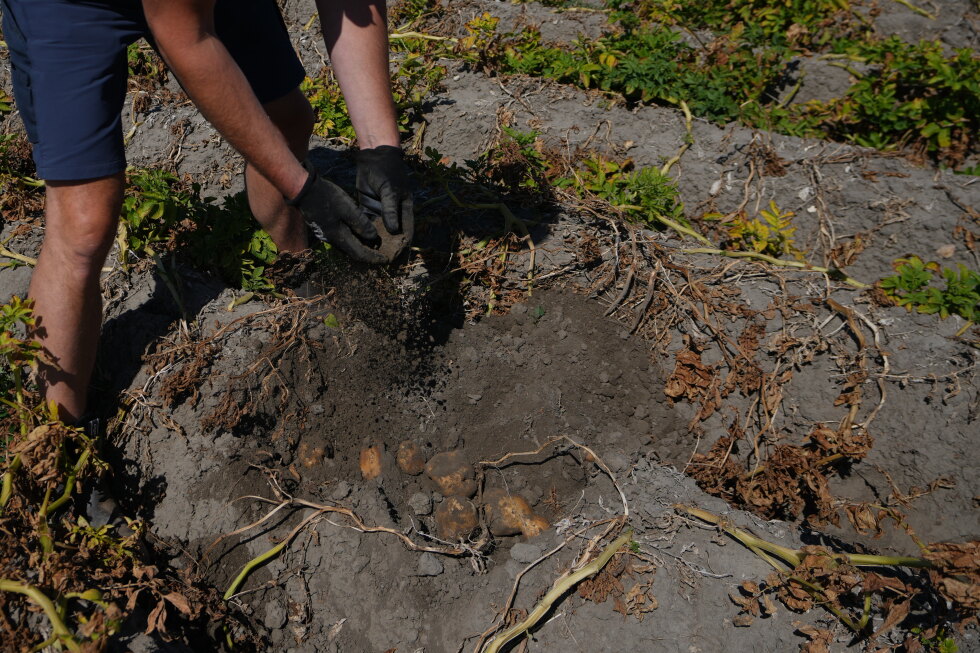
Photos show farmer Henrik Jan ten Cate's drought-affected potato field in the Netherlands, cows drinking from a pond in Anndiare village in Senegal, sheep at a livestock market in Dakar, a woman from the Java Indigenous group fishing in the Javae River in Brazil, and the historic packhorse bridge at Baitings Reservoir in England exposed as water levels drop.
According to Associated Press, participants emphasized the need to strengthen adaptation measures to climate change. Land degradation directly affects food production and people's livelihoods.
Scientists warn that the frequency and intensity of droughts are increasing. This is especially evident in parts of Africa, Asia, and Europe.
Information on specific decisions made at the conference has not yet been published. However, experts highlight the importance of international cooperation.
The meeting in Ulaanbaatar drew global attention to environmental issues. Countries pledged to work together to protect and restore land resources.
According to Associated Press, most participants acknowledged the need for new technologies and approaches to combat drought. These measures will help not only preserve soil fertility but also adapt to climate change.
Fouad believes the drought problem is becoming global. She urged all countries to act together.
The conference discussed experiences from various countries. For instance, Dutch farmers use water-saving technologies, while Senegal introduces new methods in livestock farming.
The situation in Brazil was also noted. Local residents face difficulties in fishing due to river shallowing.
The Baitings Reservoir example in England shows that falling water levels are a real consequence of climate change. The historic bridge is fully exposed due to drought.
Associated Press photos vividly illustrate the scale of these problems. They reflect the impact of drought in different parts of the world.
Documents and recommendations adopted at the talks will be published later. Experts express hope that these decisions will significantly contribute to preserving land resources.