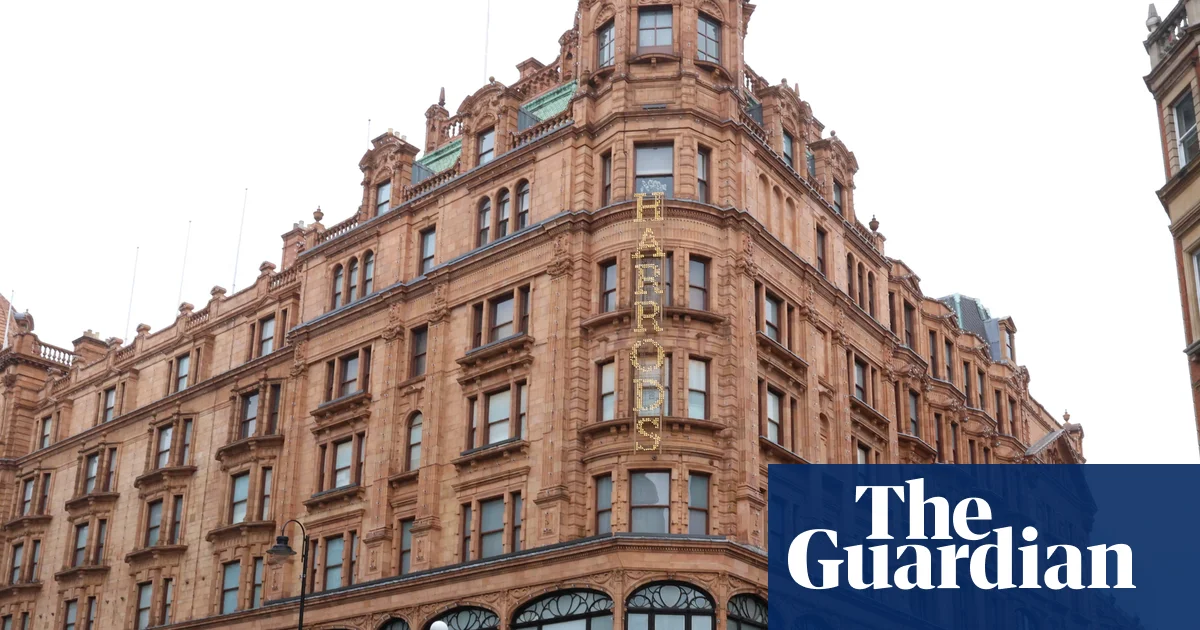
Compensation claims by 275 survivors of alleged sexual abuse by the former owner of Harrods Mohamed Al Fayed could reach between £100m and £150m, according to a law firm representing the women. This was reported by Qazaqyia.kz citing The Guardian.
The combined value of their claims, calculated by KP Law (KPL), which represents more than half of known survivors, is around two to three times greater than the amount the luxury department store has set aside for all abuse payouts. This suggests that Harrods and the late billionaire’s estate together could face a combined compensation bill of more than £200m.
Harrods’ latest annual report, published in August, showed it had paid out only £4.1m from the £57m it set aside for compensation in 2025, excluding legal and administration costs. The accounts also showed that the retailer reduced the amount set aside by £1.1m, leaving a compensation pot worth £51.8m in January 2026.
Lucy Traynor, a senior associate at KPL, said Harrods’ own compensation scheme, which stopped accepting claims on 31 March, was “not fit for purpose” and underestimated the impact of the alleged abuse on survivors’ lives and careers.
She added: “The evidence available to us indicates that the average value of the claims being pursued is likely to be hundreds of thousand pounds higher than the apparent average payment under the Harrods scheme. We’re seeing figures in the millions for [a client’s] loss of earnings and future loss of earnings.”
Harrods said it had made settlements with 113 women through its redress scheme to date. The store did not clarify how many settlements were covered by the £4.1m paid out last year, but noted that more than 50 were made by mid-February this year.
Traynor said this suggested that the average payout to survivors under the redress scheme would be approximately £82,000. “As Harrods say that payments were made to more than 50 survivors, the actual average would be lower still,” she added.
This estimate is also significantly lower than the maximum payout of £385,000 under the Harrods scheme, which includes general damages of up to £200,000 and a work impact payment of up to £150,000, as well as payments for treatment costs and “wrongful” medical tests for sexually transmitted diseases.
A Harrods spokesperson said the store did not “provide ongoing commentary on settlement values”, but that it was “committed to ensuring all eligible survivors receive compensation for the appalling abuse they suffered”.
More than 400 allegations including rape, sexual assault, sexual exploitation and human trafficking have been made against Fayed, who died three years ago.
One of KPL’s clients, Carrie Lazell, from Norfolk, said her nascent career as a designer ended after she was groomed and sexually assaulted by the former Harrods boss.
Lazell, who worked as a designer at the luxury store in her early 20s, said: “I lost a career, and I’ve gone through a whole load of very unpleasant, unnecessary trauma with a man I did not want to engage sexually with at all. I was really enjoying work [at Harrods]. I think I was set to become a successful designer.”
But she said her performance suffered as a result of the alleged abuse. Lazell added: “I couldn’t say it’s because every day the chairman of Harrods is abusing me. And I was threatened that I should never tell anybody because bad things would happen to me or my family.”
KPL said it had begun issuing settlement formal offers against Harrods and the estate.
The law firm said its negotiations with Harrods and the estate halted earlier this summer. Traynor said this delay was due to the department store’s action to replace the executors of estate – believed to be Fayed’s close relatives. But Harrods denied this had any bearing on survivors accessing compensation.
Sarah Savogi, another KPL client, who says she was sexually assaulted by Fayed in a restaurant, said only once her claim was settled could she fully lead her life.
“I have severe PTSD and relapses of what happened and sometimes I wake up in the night, I think I can’t breathe, I have awful nightmares about Al Fayed,” she said.
“Sometimes I’ll see a man and he looks like him and it will all come back to me again. There’s only so much that a therapist and counselling session can do, and I feel like I’ve reached the end of everything they can do to help me.”
Holly Johnson and Heidi Givens, KPL clients and sisters from Texas, said the delay to reaching a settlement was aggravating their distress.
The twins, who say they were sexually abused by Fayed when they worked at Harrods and Fayed’s Park Lane offices, said they felt unable to move on in their lives.
Givens said: “I don’t think that the estate or Harrods understand what it feels like for all of us to just keep going. Right now it’s like an open wound that can’t heal.”
Harrods said it “continues to work at a pace dictated by survivors and their legal representatives towards redress through the route of their choice. However, the timely progression of claims was only possible where the information required is made available, in line with established legal principles.”
It added that any suggestion to survivors that Harrods was preventing access to compensation was a misrepresentation, and harmful to survivors’ trust in the process.