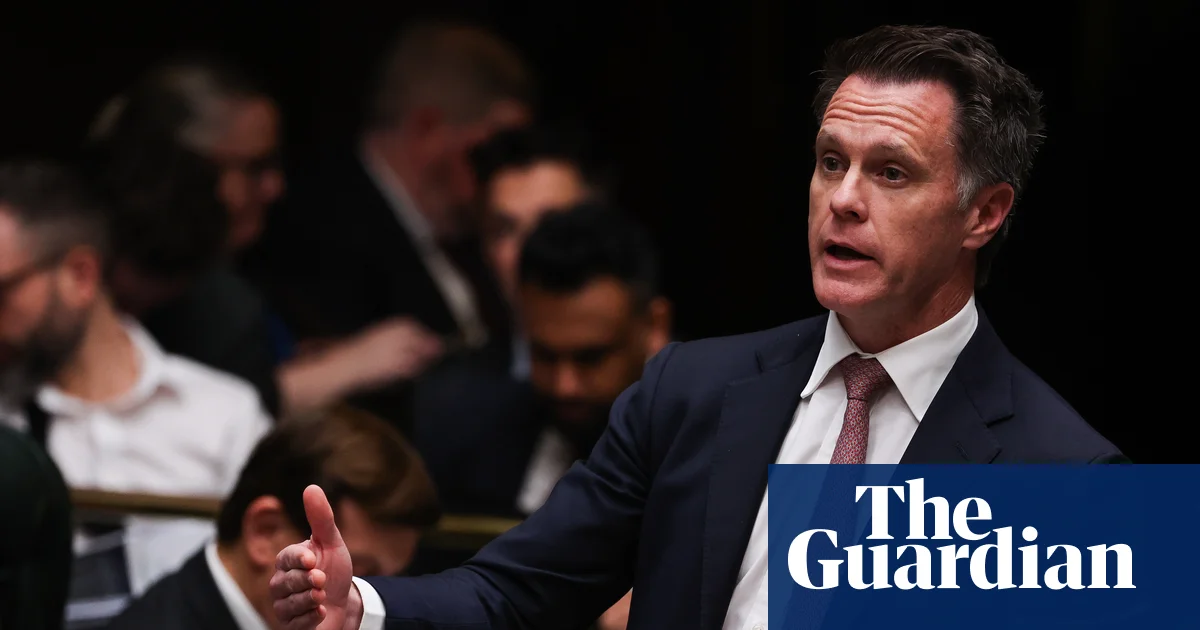
NSW Premier Chris Minns has defended his government's timing in releasing three potentially controversial reports. This was reported by Qazaqyia.kz citing The Guardian.
During the first week of the Independent Commission Against Corruption's (Icac) Operation Rosny hearings into allegations against people associated with the New South Wales Liberal party, Chris Minns took the high ground.
"There'll be no gloating or taking political advantage," the NSW Labor premier told reporters. "It's an important process, and ultimately, hopefully, it makes all political parties cleaner and sends a message to anyone who's thinking of breaching the laws or committing a corrupt act, that someone is watching."
There's a less generous way to describe what the Labor government has quietly gone about doing during Icac's second of at least eight weeks of hearings: "taking out the trash."
This week, the NSW government dropped key documents on not one but three contentious issues, burying them – intentionally or not – amid revelations that could damage the election hopes of state Liberal and opposition leader, Kellie Sloane, who was not an MP at the time of the alleged wrongdoing being investigated by the corruption watchdog.
The first document, a long-awaited report into hate speech laws by former supreme court justice John Sackar, was tabled by the attorney general, Michael Daley, during an Icac appearance by Liberal leader in the upper house, Damien Tudehope.
Tudehope, as shadow attorney general, had been leading a fight for the release of the Sackar review, which had been gathering dust since November – and which the government had argued was "cabinet in confidence". Labor minister John Graham was suspended over the government's refusal to release it in May.
Giving evidence on Tuesday morning Tudehope defended talks he gave at conservative Liberal events, including one against the Safe Schools program, which had a stated aim of keeping gay and transgender students safe.
On Tuesday afternoon, Daley announced the government would not implement the Sackar review's key recommendation, to expand a controversial offence for inciting hatred on the grounds of race to other protected attributes, including religion, sexual orientation and gender identity, because it "raises complex questions".
But rather than the focus being on the government's report, Tudehope, who is not named in Icac's allegations and has stepped aside from his shadow cabinet roles during the inquiry, found himself making headlines. After the admission that he had leaked a confidential parliamentary report to conservative Liberal factional group the Reformers, his future as shadow attorney general is now uncertain.
On Wednesday, with the Liberals still reeling from Tudehope's testimony, and Icac hearing evidence from the younger brother of former Liberal premier, Dominic Perrottet, Jean-Claude Perrottet, the government released two more documents.
At a press conference on Wednesday on the government's response to the inquest into the Bondi Junction attack, amid questions about why it had only committed "in principle" to a recommendation to provide short- and long-term accommodation for people experiencing mental health issues and homelessness, Daley rejected the suggestion the government had buried the Sackar report the previous day.
"A few weeks ago we were getting criticised for not releasing the report. Now we're getting criticised for releasing the report," he said. "What day would have been better? Sunday be better?"
That same afternoon, Daley tabled legal advice sought in response to a committee report which had found the state's top prosecutor, Director of Public Prosecutions (DPP) Sally Dowling, lied under oath to an inquiry. Daley said the advice showed the committee's findings were unfounded.
The allegations relate to a decision by the DPP to proactively pitch a story about an Indigenous child who performed an acknowledgment of country during a sentencing hearing. Dowling admitted her office had pitched the story to radio station 2GB but denied she had authorised it. The DPP has rejected the committee's findings.
The committee had written about the difficulty it experienced after a court of appeal decision in favour of the premier's chief of staff, which removed the upper house's power to compel witnesses to appear before inquiries – another issue Tudehope had been prosecuting. But on Wednesday, Daley said he considered the committee's findings "closed".
The Australian high court will hear an appeal by the upper house against the court of appeal decision later this year.
Despite his claims of not taking "political advantage", the premier has not resisted delighting in the Liberals' troubles. As Tudehope gave evidence to Icac on Tuesday, Minns used a speech in question time to reference the shadow attorney general, "who is in the news at the moment". He also referenced Chris Rath, another Liberal frontbencher in the upper house caught up in the Icac inquiry.
Last week, after the Sydney Morning Herald revealed Rath had helped members of the Reformers evade summons to appear before a 2023 parliamentary inquiry, the premier used it as a pretext to reject calls for the restoration of witness powers.