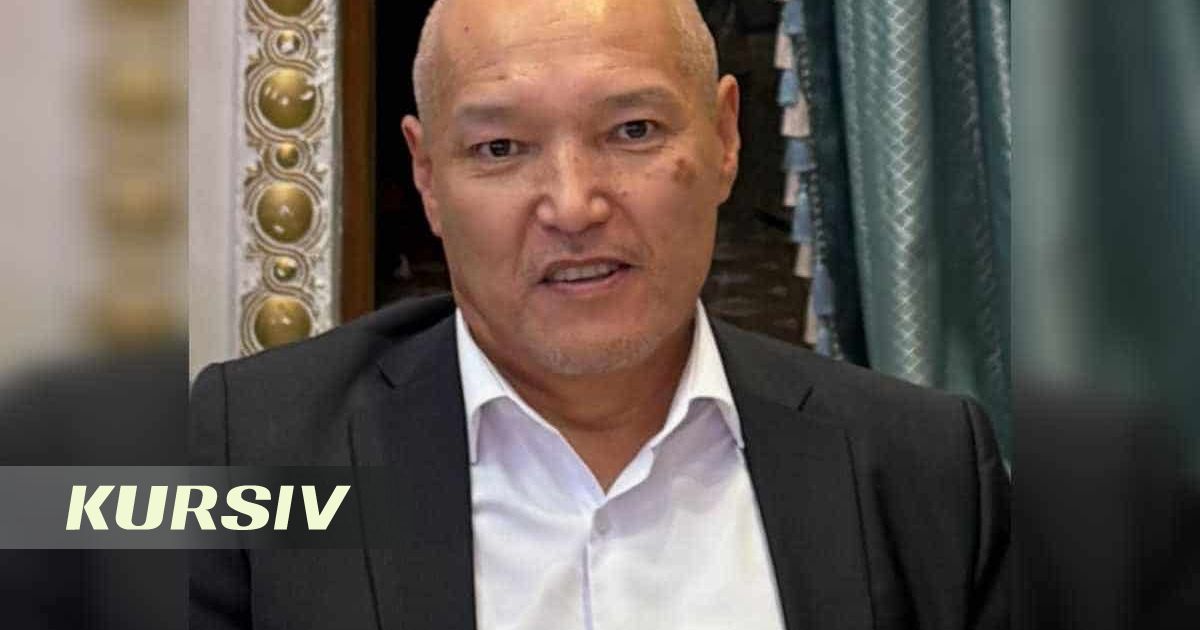
Aidar Amrebayev, head of the Center for Applied Political Science and International Studies, published a post on his Facebook page suggesting that when assessing migration, one should look not only at the number of people who arrived, but also at how they integrate into the country's economy and public life. This was reported by Qazaqyia.kz citing Kursiv Media.
According to the scientist, Kazakhstan has been returning ethnic Kazakhs to their historical homeland for decades. Over the years of independence, about 1.165 million people came to the country. In 2025 alone, 16,805 people received the status of kandas.
Amrebayev noted that today the state is trying to take into account the economic side of this process. Migrants are directed to regions where there is a need for labor. Last year, 2,309 people moved there under the quota.
At the same time, Kazakhstan's migration policy is gradually changing. Now we are talking about attracting people with sought-after knowledge and experience.
He recalled that in April of this year, the President signed a decree on improving migration policy, which provides for the introduction of the "Altyn Visa". It should simplify conditions for investors, entrepreneurs and qualified specialists who can work in Kazakhstan and develop new projects here.
"This is a quite understandable approach. Many countries today compete for good specialists and entrepreneurs. Kazakhstan needs engineers, programmers, scientists, doctors, entrepreneurs and investors. Therefore, when assessing migration, it is important to look not only at the number of people who arrived, but also at how they integrate into the economy and public life of the country," Amrebayev wrote.
According to his data, among able-bodied kandas who arrived in 2025, 15% had higher education, 27.5% secondary specialized, and 51.2% general secondary education. These data show that issues of education, employment and adaptation really matter.
"It turns out that today Kazakhstan is developing two directions of migration policy at once. On the one hand, the country continues to accept ethnic Kazakhs returning to their historical homeland. On the other hand, Kazakhstan wants to attract specialists, entrepreneurs and investors from different countries. Ultimately, the result is important. If a person comes and creates a business, jobs, engages in science or brings new technologies, this becomes a contribution to the development of the country. It is by such results that the effectiveness of the new migration policy should be assessed," the political scientist concluded.