Weeks after the University of Michigan made headlines with its plan to keep letter grades from appearing on the transcripts of some first-year students or affecting their GPAs, the decision continues to stir debate — with critics accusing the prestigious school of shielding students from reality and warning the move could backfire. This was reported by Qazaqyia.kz citing Associated Press.
The Wall St. Journal even published an op-ed with the title "Coddle U." But on a recent day on the Ann Arbor campus, students expressed cautious optimism. They said they agreed that transitioning to college can be hard but were uncertain if they wanted "pass" and "no credit" to replace traditional letter grades on their transcripts.
Students will still know what grade they received in a given class. U-M says the idea of withholding the letter grade from transcripts and preventing it from affecting grade point averages is to "foster an environment where college students can acclimate to the demands of a University of Michigan education and pursue new academic challenges."
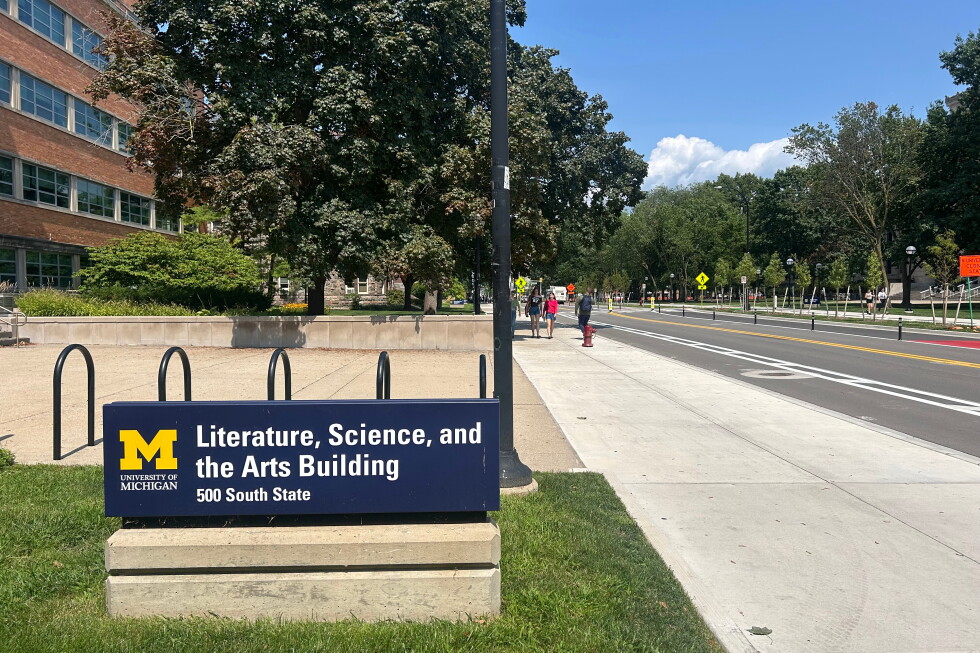
It's still working out all the details of the pilot program, slated to start in fall 2027 with first-year, first-semester students in the College of Literature, Science and the Arts. LSA is the largest of U-M's schools and colleges, accounting for more than half of undergraduate enrollment on the Ann Arbor campus.
Tim McKay, associate dean for undergraduate education at LSA, told Bridge there are two main goals for the program: encouraging academic exploration and improving student mental health.
"We need to give them a space to get used to the reality that we're going to be asking them to do very difficult things that might go beyond what they were used to," said McKay. "We want that to happen in a way which is safe enough that they'll come through it strong – rather than feeling like it's suddenly they've had something permanent and very consequential happen to them."
McKay said it's important students make early momentum toward completing their degree. Bridge Michigan spoke with several U-M students recently about the policy. Many said they were supportive of giving students more leeway as they transition to new expectations at college.
"You're still seeing the grades so you can really keep track of your progress, figuring out what works," said Adriana Yost, a sophomore studying small business management on the Dearborn campus. "But at the same time you know in the back of your head 'if I really do mess up and if I try something and it really doesn't work for me, it's not going to affect me long-term in the future.'"
But students also raised concerns about how the program would work in practicality and if covering grades would negatively affect students in applications for internships or graduate school.
"I understand the idea that they're trying to take stress off of people that are coming straight into the school," said Connor Olsen, a junior at U-M studying business. "However, I do think there's going to come a time where they're going to matter. And it's partially prolonging the inevitable that these grades are going to count, and you really do need to lock in your study schedule and figure out how to go to office hours and all these things that really count in your university experience."
The pilot program has also faced criticism nationally including allegations that the school is coddling students, which McKay roundly rejects. Meanwhile, the U-M decision comes as Michigan policymakers weigh proposals on how to better prepare high school students for life after graduation.
Venessa Keesler, CEO and president of Launch Michigan, a bipartisan group working to change Michigan's high school graduation requirements, told Bridge it