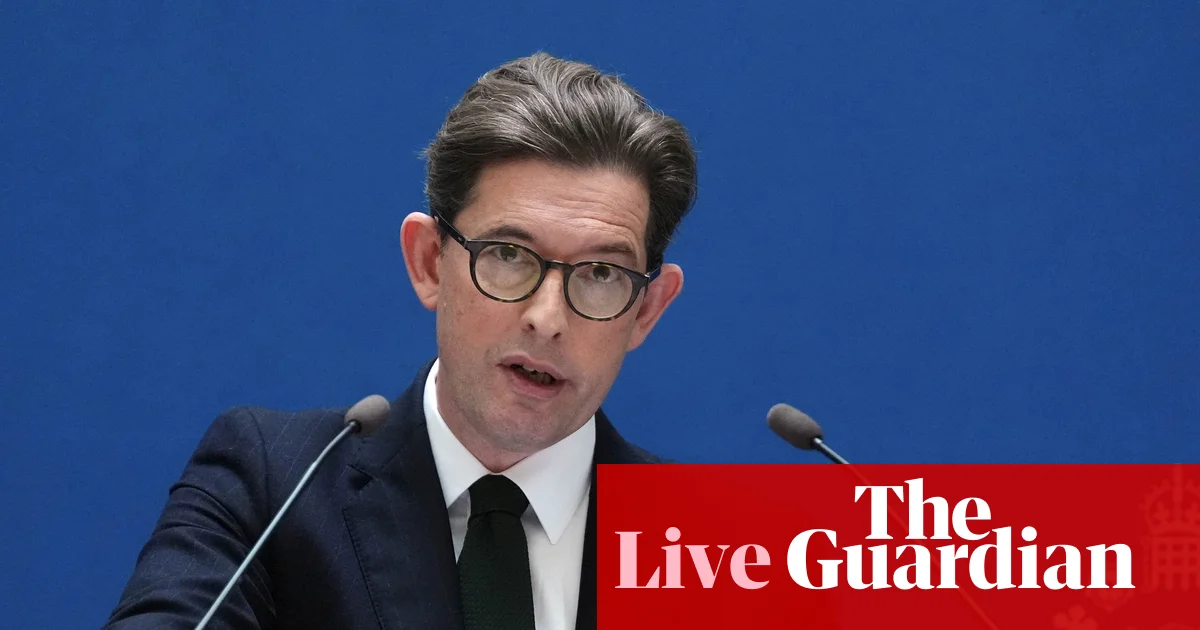
MI5 chief Ken McCallum said today that Moscow did attempt to interfere in the 2016 Brexit referendum with anti-EU coverage on RT and Sputnik media and via troll social media accounts. This was reported by Qazaqyia.kz citing The Guardian.
But there was a big difference between "what may have been attempted and what actually resulted", he added.
The head of the Security Service said that he agreed strongly with what the prime minister had said on Sunday and Monday, when he raised the issue of attempted Russian interference a decade ago – though Burnham then backed off when he was challenged by the Conservatives as to whether this meant he regarded the Brexit vote as illegitimate.
McCallum did not put any new evidence into the public domain but cited already known concerns about Russian broadcasters who "came in pretty strongly around the time of the referendum" in favour of Brexit. He also said that "there was a second line of interference attempted through [internet] trolls".
However, he argued there was no evidence to suggest the result of the Brexit vote had been swayed as a result of the effort, which is generally believed to have been marginal, and said that it would be to Russia's benefit if the issue was talked about further.
"It is up to us how far we allow our adversaries to divide us," he said.
"I'm a little bit worried that if we all stay in this debate for another few days, the Russian trolls who didn't appear to do all that much at various points over the years, they'll be delighted they are front page news once again despite the comparative unimpressedness of what they do at all points along the journey.
I am a little bit anxious that we don't play into our adversaries' hands by making these trolls look 10ft tall," he said.
"There is a really important difference between interference attempted and outcome swayed … It's quite important to focus on the difference between what may have been attempted and what actually resulted."
He noted it is a matter of public record including in select committee reports published in 2019 – the DCMS (digital, culture, media and sport) committee did a bit and the intelligence and security committee did a bit also – that in 2016, before you even get to any secret intelligence, it is openly on the record that Russia Today and Sputnik and other Russian media organisations came in pretty strongly around the referendum.
And it is also a matter of open source record that there was a certain amount of interference attempted through trolls and bots and so forth.
"I agree strongly with what the prime minister said yesterday, we did see a hack and leak thing inside the 2019 general election campaign," he said.
McCallum's statement came amid a long-running debate about Russian attempts to influence the Brexit referendum. While acknowledging the interference attempts, he stressed the lack of evidence that they affected the actual outcome.
The 2019 parliamentary reports contained information about the activity of Russian media organisations before the referendum and attempts at interference through trolls and bots.