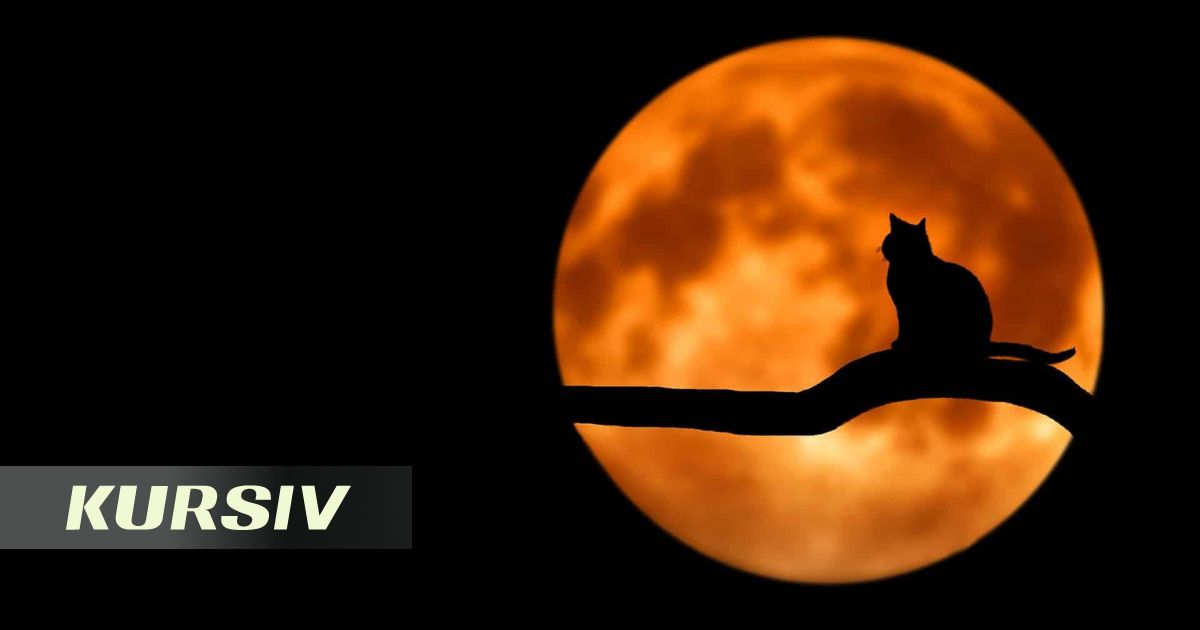
Tonight, earthlings can observe the first summer full moon, which rises a few days after the solstice. The best visibility will be from approximately 11 p.m. to 1 a.m. local time. Scientists from the Laboratory of Solar Astronomy reminded that this full moon is called the Strawberry Moon. This was reported by Qazaqyia.kz citing Kursiv Media.
The Strawberry Moon was named by the indigenous peoples of North America, for whom the June full moon served as a signal for the start of wild strawberry picking. In other cultures, this astronomical phenomenon was called differently, for example, the Flower Moon or the Honey Moon.
The name is associated with the seasonal calendar, not with the color of the satellite. However, due to its very low passage above the horizon in the Northern Hemisphere, moonlight refracts through dense layers of the atmosphere, causing the Moon to indeed acquire a warm golden or pinkish-orange hue at sunrise and sunset.
Additionally, this year the Strawberry Moon coincides with a micromoon — a phenomenon when the Moon is at its farthest distance from Earth.
No special equipment is required — the phenomenon is clearly visible to the naked eye. The Moon has its most saturated and beautiful hue at the moments of its rising and setting. For an ideal view, it is enough to choose an open area with a clear view of the southern part of the sky.
Earlier, Kursiv reported that on June 28, the largest group of sunspots since the beginning of 2026 was recorded on the Sun's surface. Astronomers noted that two such ejections could reach Earth on June 30 and July 1, 2026.
According to their forecast for June 30, magnetic fluctuations are possible from morning until noon, which could escalate into a G1 magnetic storm. By evening, the magnetosphere should calm down.