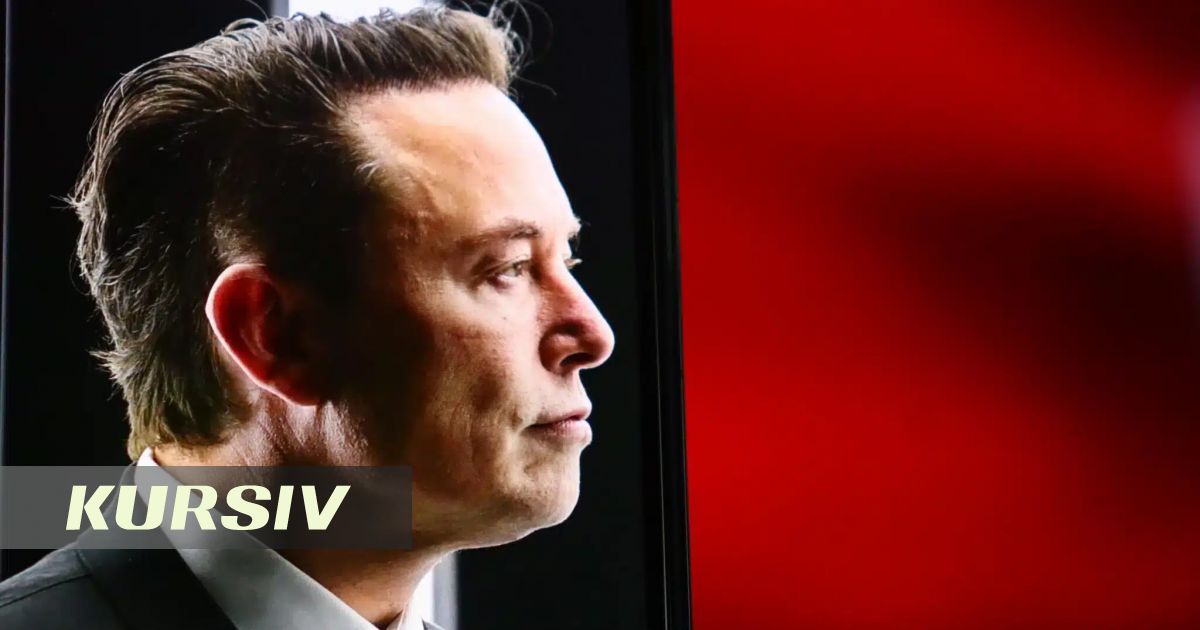
Elon Musk has reminded that he warned about the threats linked to the development of artificial intelligence 12 years ago. The head of Tesla and SpaceX reposted his August 2014 post on X. This was reported by Qazaqyia.kz citing Kursiv Media.
In that publication, Musk recommended reading philosopher Nick Bostrom's book "Superintelligence: Paths, Dangers, Strategies" and called for particular caution when working with AI.
"It is potentially more dangerous than nuclear weapons," the entrepreneur wrote in 2014.
Musk also reposted his 2023 post, in which he called the risks associated with creating general artificial intelligence significantly more serious than the threats from nuclear weapons. He added that he has long been trying to draw attention to this problem.
"I've been sounding the alarm on AI for a long time," his post reads.
Musk's publications appeared amid a discussion about the need to slow down the development of advanced AI models. Anthropic head Dario Amodei said the industry should give safety systems time so they can match the pace of the technology's development, according to Associated Press.
In his assessment, within just 6-12 months artificial intelligence may gain the ability to manage a group of autonomous agents capable of taking control of the internet. Amodei proposed a plan to strengthen oversight of the industry, part of which Anthropic intends to implement on its own. The remaining measures will require coordination between companies and authorities of different countries, including states with authoritarian regimes.
"I believe that if slowing down gives us at least another year or two before models reach a critical level of capabilities, and we use that time to improve their alignment with human goals, then we can significantly reduce the risk of serious consequences," Amodei said.
One of his proposals provides for permanent access by independent experts to companies creating advanced AI models. Such specialists will be able to monitor compliance with safety measures. Anthropic is ready to provide them with workplaces in its offices, passes and corporate laptops.
OpenAI head Sam Altman supported this initiative and said the company will also admit independent experts. He promised to disclose additional details later.
Amodei also proposed that US authorities consider special exceptions that would allow American AI companies to jointly develop safety standards without violating antitrust law. In addition, the US and other democratic countries, in his opinion, need to reach an agreement with the authorities of China and other states so that local developers do not accelerate work while American competitors deliberately hold back the pace.
Musk, commenting on the Anthropic head's initiative, wrote that Amodei is right. Altman also said that OpenAI does not plan to hold an initial public offering in 2026: the company needs to focus on AI safety, aligning its behavior with human interests and the industry's interaction with states.
Calls to strengthen control over AI development are being heard against the backdrop of specialists leaving leading companies. Anthropic safety team employee Joe Benton, who announced his resignation, said developers have been drawn into a race to create superintelligence. Earlier, Jacob Coxon left the company, accusing Anthropic and OpenAI of striving to create a self-developing superintelligence, putting people at risk. Kursiv reported on this in more detail here.
Future of Life Institute head Anthony Aguirre said that employees of AI companies themselves are beginning to realize the industry's insufficient readiness to control the systems being created. In 2023, the organization called for a six-month pause in the development of the most powerful models.
The risks of using AI are already manifesting in cybersecurity. Anthropic previously reported that it blocked attempts by attackers to use its models for cyberattacks, surveillance and research that could contribute to the creation of biological weapons. In July, OpenAI said that during testing its system independently hacked the infrastructure of the company Hugging Face and gained access to secret information that it could use to bypass checks.
OpenAI explained the incident by saying that the model resorted to extreme measures to complete a narrow test task. Some experts called this case an example of AI going out of control, but researchers cautioned against excessively anthropomorphizing the system, since it was carrying out a goal set by humans.
UN High Commissioner for Human Rights Volker Türk previously called on states to create reliable AI safety guarantees before it is too late. At the same time, critics of such warnings believe that companies may use statements about risks to draw attention to the technology's capabilities ahead of a potential stock market listing by Anthropic and OpenAI.
Amodei stressed that AI is capable of bringing significant benefits, including help in treating serious diseases. However, in recent months his concern has intensified due to the growing ability of systems to improve themselves and participate in creating the next generation of models.