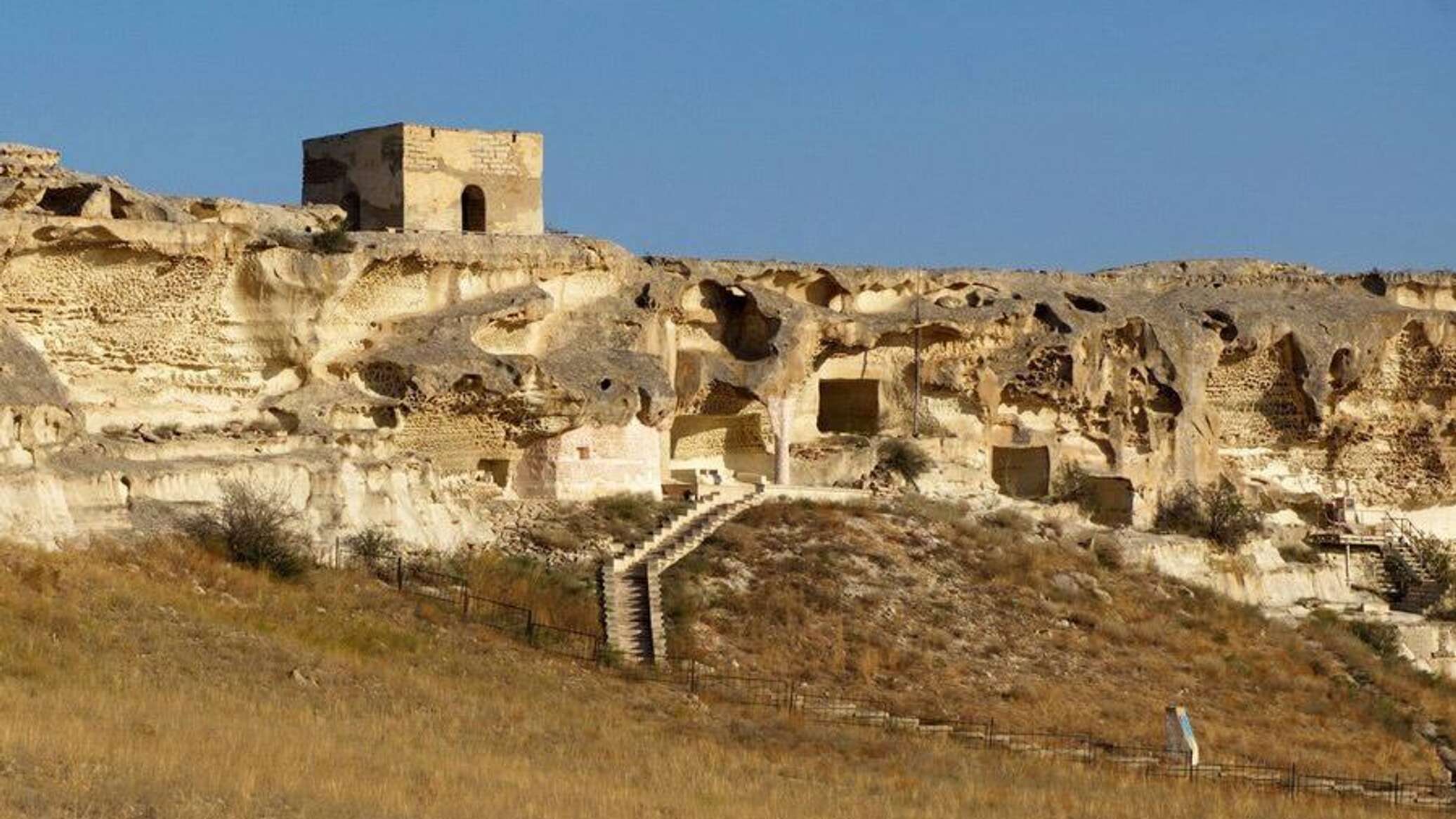
The rock mosques of Mangystau have been added to the UNESCO World Heritage List. This was reported by Qazaqyia.kz citing Sputnik Kazakhstan.
Today, at the 48th session of the World Heritage Committee in Busan, Republic of Korea, a positive decision was made. The list includes underground mosques in Mangystau region: Beket Ata, Shopan Ata, Karaman Ata, Shakpak Ata, and Sultan Upi Mosque.
First Deputy Head of the Presidential Administration Erlan Karin called this a landmark event in Kazakhstan's history. According to him, national cultural heritage was last included in the prestigious UNESCO list 22 years ago, in 2004 (in 2003 – the Mausoleum of Khoja Ahmed Yasawi, in 2004 – the Tamgaly petroglyphs). In recent years, only at the initiative of the president has work in this direction revived and reached a new level.
Karin noted that the rock mosques of Mangystau were not only places of worship but also centers of education and enlightenment in their time. These rocks preserve the historical memory of the people, the legacy of ancestors. Thus, UNESCO recognized these sites as an outstanding example of centuries-old spiritual, cultural, and architectural traditions.
In the future, it is planned to include in UNESCO lists the wooden Zharkent Mosque, the Ascension Cathedral in Almaty, the Karatau petroglyphs, and Abai's "Words of Edification."