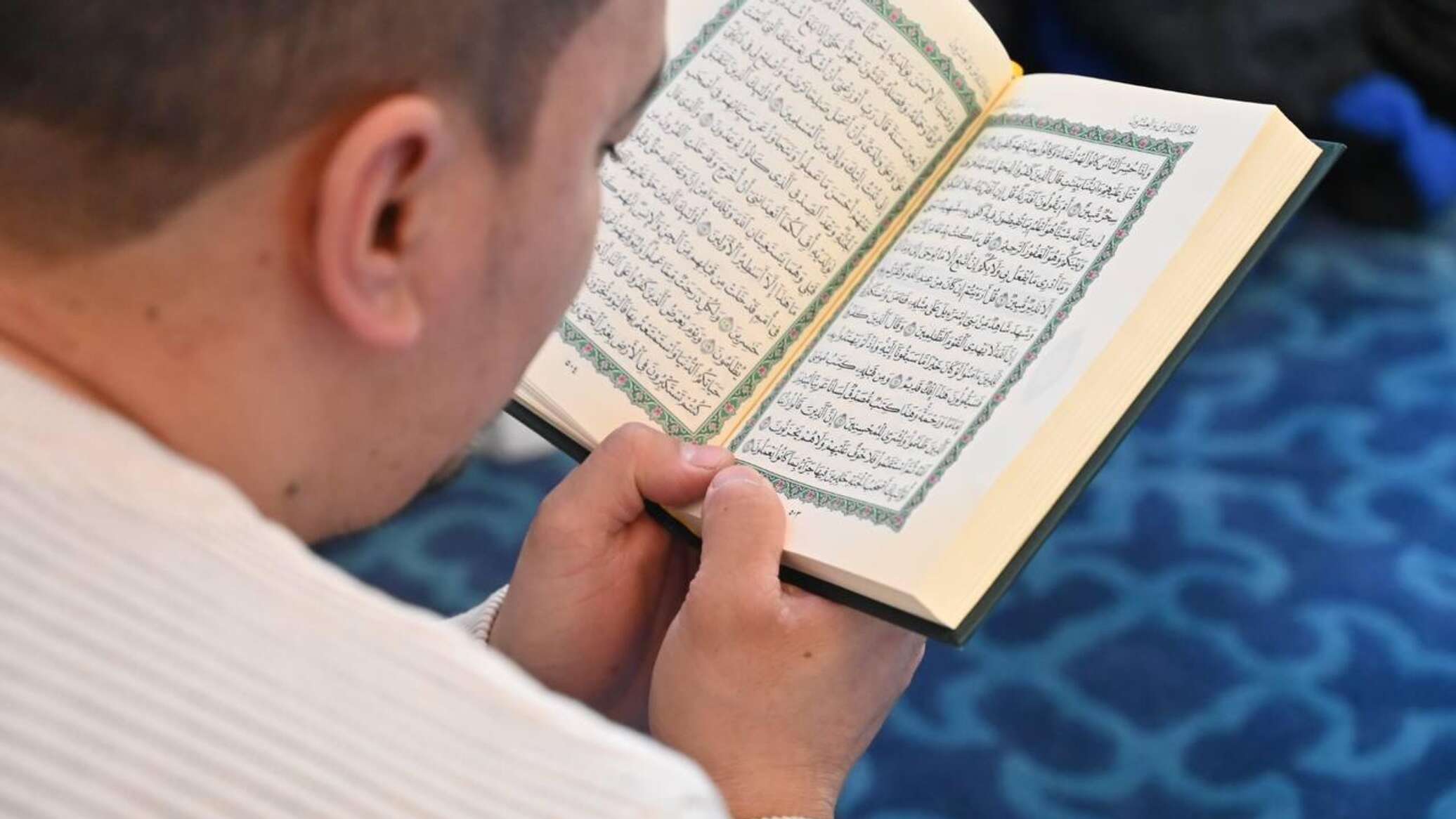
This year, according to the Hijri calendar, the month of Rabi' al-Awwal began on August 14 and will last until September 12. In Islam, it is called the sacred "month of Mawlid" because the Prophet Muhammad was born in this month. The night of Mawlid, when the Prophet was born, falls on the night from August 24 to August 25. This was reported by Qazaqyia.kz citing Sputnik Kazakhstan.
The meaning of Mawlid
Mawlid is an Arabic word meaning "birthday" in Kazakh. The month was named in honor of the birth of Allah's most beloved servant, the last and leader of the messengers, Muhammad (peace be upon him).
Muhammad (peace be upon him) was born on April 20, 571 CE, and according to the Hijri calendar, on the 12th of Rabi' al-Awwal, a Monday. It is said that when he came into the world, amazing events occurred. His mother Amina did not experience the usual difficulties of women, such as labor pains and bleeding. When our Prophet was born, a fragrant scent emanated from him.
The Prophet Muhammad (peace be upon him) placed special emphasis on setting an example through actions rather than just preaching. If he commanded something, he would be the first to do it, and if he forbade something, he would be the first to abstain. He was gentle, generous, and always smiling. "I never saw the Messenger of Allah laugh with his teeth showing until his sorrow was dispelled. He only smiled," narrated Aisha.
Fasting in the month of Mawlid
During the Mawlid holiday, the Holy Quran is recited, and praises, poems, and salawats about the Prophet (peace be upon him) are said. On the sacred day of Mawlid, one can distribute drinks and food, give gifts, and perform other good deeds. During this holiday, actions contrary to Sharia must not occur. All deeds that are not contrary to Sharia and are beneficial to Muslims are considered good innovations.
The Quran says: "We sent you not but as a mercy for all worlds." Therefore, the Prophet's (peace be upon him) coming into the world and illuminating it with light is a great joy for his followers.
Fasting in the month of Mawlid is not obligatory. The obligatory month of fasting for Muslims is Ramadan. Instead, performing good deeds and reading the Quran in the month of Mawlid is Sunnah.
"Our goal in Mawlid is not to exalt our Prophet by adding excessive fantasies and likening him to God. We strive to take at least a drop of example from his incomparable personality. To refresh his immaculate biography in our memory. To send countless salawats upon him and proclaim his name to the world," says the explanation of the Spiritual Administration of Muslims of Kazakhstan.
The main purpose of celebrating this holiday is to promote the instructive life of the Prophet Muhammad (peace be upon him), educate youth in morality, call for brotherhood, humanity, respect for parents, and protection from various vices.
What to do on the night of Mawlid
The night of Mawlid is the most revered night after Laylat al-Qadr. Some scholars even say that the night of Mawlid is more valuable than Laylat al-Qadr.
Our Prophet used to offer food to his companions on the night of Mawlid and tell stories from his childhood. When Abu Bakr was caliph, he gathered the companions and told them about the miraculous events that occurred at the birth of the Messenger of Allah. On this night, telling, listening to, and learning about the phenomena and miracles observed at the Prophet's birth is considered a very rewarding deed.
There are various Mawlid qasidas praising the Prophet. "Reading Mawlid" means telling about the Prophet's birth, his Mi'raj, and his life, remembering him, and praising him.
The night of Mawlid is the most revered night after Laylat al-Qadr. On this night, those who rejoice at the Prophet's birth are forgiven. On the night of Mawlid, gathering righteous people, reciting salawat, feeding the poor, giving charity and gifts, expressing joy, and teaching Mawlid qasidas without mixing in haram is a great reward.
It is not obligatory to stay awake on the night of Mawlid. In Islam, there is no rule that this night must be spent without sleep, entirely in worship.