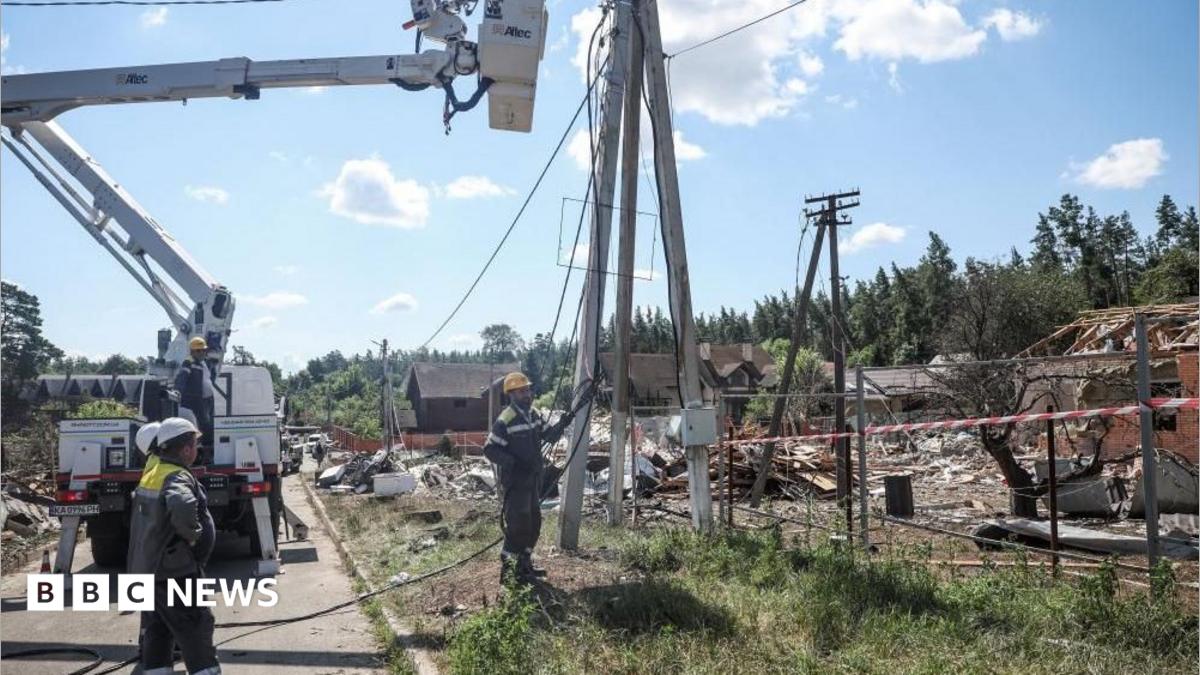
On Sunday, US President Donald Trump announced that Russia and Ukraine had agreed a ceasefire on strikes on energy infrastructure "effective immediately". Ukraine's Volodymyr Zelensky suggested it was "news for me", while Russia has not commented publicly. This was reported by Qazaqyia.kz citing BBC News.
Russian President Vladimir Putin's spokesman Dmitry Peskov was asked whether such a ceasefire had been agreed during his daily conference call with journalists. "Contacts are continuing," Peskov replied. "As soon as we have anything to say about this, we will definitely inform you."
Peskov may not have had much to say on the matter, but the pro-Kremlin media has. It has dubbed President Trump's announcement of an energy ceasefire "a gift" for Moscow. Pro-government news outlet Moskovsky Komsomolets concluded: "Of course we benefit. It means that all Russia has to do is not destroy Ukraine's last remaining oil refinery. That has already been attacked several times. It's barely functioning anyway. But Kyiv won't be allowed to hit the multitude of refineries we have. In effect it's a one-way deal that benefits us. That's why no one here has officially rejected it."
In other words, Moscow believes Trump's announcement ties Ukraine's hands, not Russia's. In recent months, long-range Ukrainian drone strikes on Russian oil facilities have caused extensive damage, as well as fuel shortages across the country. Should such attacks continue, expect the Russians to claim that Kyiv is harming US economic interests – as well as the Republican Party's chances in the midterm elections in November.
Russian officials will argue that the strikes undermine the recent Trump-Putin fuel deal for the US to import Russian diesel. Trump has claimed the agreement will benefit US consumers, although there is widespread scepticism that the volumes involved will do much to lower fuel prices.
Still, the Kremlin will be only too happy if Ukrainian drone strikes on oil facilities spark fury in the White House and curtail US support for Kyiv. Moscow would welcome Washington cutting off intelligence sharing to Ukraine and weapons sales to Europe that are destined for Kyiv. It has already delighted to hear Trump declaring: "I think it's time for Ukraine to get a new president."
Ukrainian President Volodymyr Zelensky has called for a 60-day Russian ceasefire to allow for presidential elections in Ukraine. "The Kremlin, the president, has said many times before, we don't want a ceasefire, we want a lasting peace, and we're willing to do whatever's possible for that," Peskov said. "Whatever's possible" does not include a 60-day ceasefire, or a 30-day ceasefire, or anything close to that. On Monday, the Kremlin proposed a one-day cessation of hostilities for Ukraine to hold elections. That will not be seen in Ukraine, or in the West, as a serious offer. Putin has shown little desire to halt the fighting. Recent statements, speeches and signals from Russia's leader suggest that, with winter approaching, the Kremlin is counting on a continued campaign of Russian strikes to significantly increase the pressure on Ukraine.