A new exhibition of work by LS Lowry will "bust a few myths" about the Mancunian artist, who the show's co-curator says is still wrongly derided for being "naive and uncultured". This was reported by Qazaqyia.kz citing The Guardian.
"LS Lowry: the Theatre of Life" features 140 paintings by the artist, who captured working-class life in the industrial north-west of England during the early and mid 20th century.
A Guardian review from 1948 described him as "direct, unpretentious and refreshingly honest", but the stripped-back nature of his paintings have led to his work being misinterpreted, according to one of the curators behind the show, which opens on 24 October.
"What we're hoping to do is actually to bust a few myths," says Anthony Spira, the director of MK Gallery in Milton Keynes. "He wasn't just an industrial painter. He certainly wasn't naive or isolated or self-taught; he spent many years at art college. He used to go to the opera, the theatre, the cinema. He collected art as well, with works by the pre-Raphaelites, Jacob Epstein and Lucien Freud. He was much more cultured and engaged than he's given credit for."
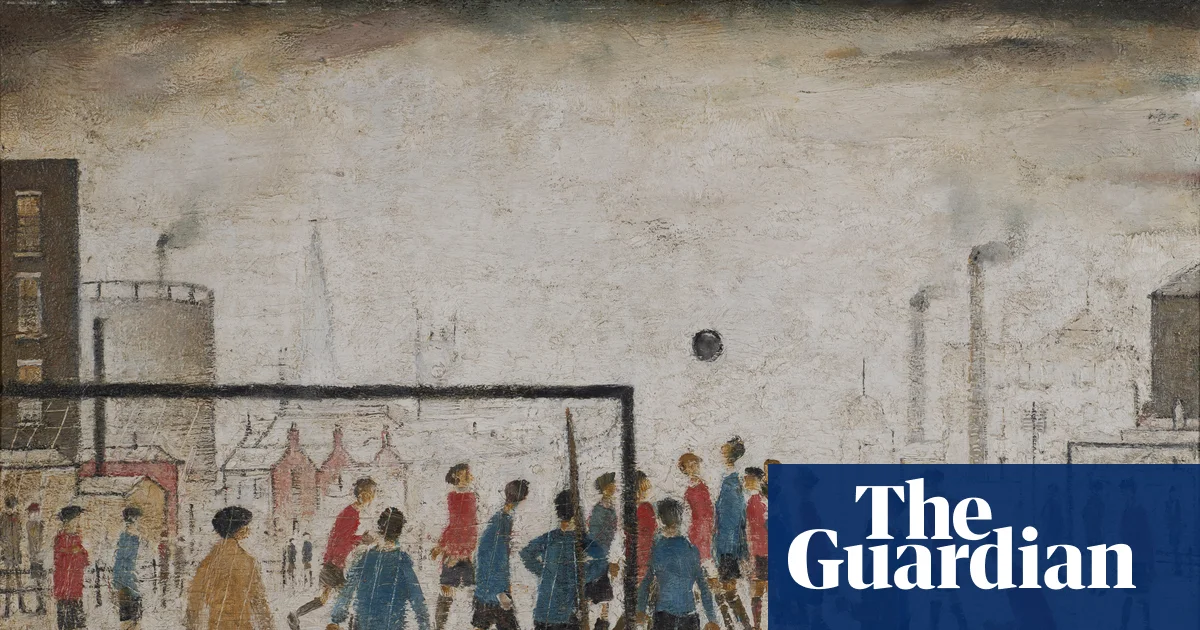
Included in the exhibition is the rarely seen 1932 painting "A Football Match", which depicts a game between two unknown teams. It will be the first time the painting has been seen in public for nearly 85 years – the last time it was shown was at the Royal Academy a decade after it was painted.
Lowry, who was a Manchester City fan, did paint his favourite team in action against Sheffield United in 1938, but it was unusual for him to depict a real-life event rather than a piece composed of several combined scenes.
"It probably was an event that he witnessed," says Spira. "It's likely an amateur game … most of his scenes are more about crowds than actual sports."
Earlier this year, "LS Lowry: The Unheard Tapes" gave viewers an insight into the inner workings of the artist through rediscovered interviews, which were lip-synced by Sir Ian McKellen playing Lowry. The BBC film was based on interviews conducted in 1972 by a young woman named Angela Barratt, who approached the artist and asked if she could interview him. When she died in 2022, the tapes were discovered by her son. The conversations were described by the Guardian as "tender, revealing – and desperately moving".
McKellen criticised Tate in 2011 for not giving enough attention to Lowry. Two years later, Lowry was given a show at Tate Britain featuring 90 of his works, which were mostly focused on his industrial scenes of workers and factories.
Spira said those works, such as "Coming Out of School" and "The Pond", are part of a Lowry signature style that can – if presented in isolation – lapse into a "negative caricature" of his output.
"He actually did a lot more than that," Spira says of the industrial work scenes. "He did a lot of leisure, not just people going to football games, but also seasides, festivals, people having fun, enjoying themselves – classic English social life."
His most famous painting, "Going to the Match", was bought for £7.8m in 2022 by the Lowry arts centre in Salford, saving it from disappearing into a private collection.
The exhibition at MK Gallery is timed to coincide with the 50th anniversary of his death. Lowry died just a few months before the opening of a major retrospective exhibition at the Royal Academy.