Breast lipofilling is a plastic surgery method where the breast is enlarged or corrected using the patient's own fat tissue. Plastic surgeon Suren Yezekyan explained how the operation is performed and what rehabilitation restrictions to prepare for to achieve an ideal result. This was reported by Qazaqyia.kz citing Kursiv Media.
"Breast lipofilling is a minimally invasive procedure where the patient's own fat tissue from donor areas (buttocks, thighs, abdomen) is purified and transferred to the breast to model contours and shape," the doctor explains.
He emphasized that lipofilling should only be done in combination with augmentation mammoplasty. This is because breast enlargement using only fat leads to a risk of complications.
According to the surgeon, when lipofilling is combined with implants, the elasticity of the breast skin increases, and there is no risk of rejection or allergies. Additionally, the fat is distributed evenly, and the breast looks natural. At the same time, the contours of the donor areas (liposuction) improve, and the procedure has a low risk of complications.
Suren Yezekyan notes that in this case, the volume may decrease over time with weight loss, and a single fat injection may not be enough to correct all problems.
"This procedure cannot be performed on thin patients with little fat. Moreover, the result is often unpredictable, as some fat may be reabsorbed," he explains.
Breast lipofilling is often performed when additional filling of implant edges is needed for a natural look, if there is breast asymmetry or sagging skin in the cleavage area. The procedure is also indicated for underdeveloped breasts, loss of shape after lactation, or age-related changes.
However, there are contraindications. These include oncological diseases, anorexia, pregnancy and breastfeeding, mental disorders, viral infections, and age under 18. If a woman has blood clotting disorders, type 1 diabetes, or liver, heart, or kidney failure, doctors will also refuse surgery. Additionally, inflammation and pustular diseases of the cleavage area are also on the list of contraindications.
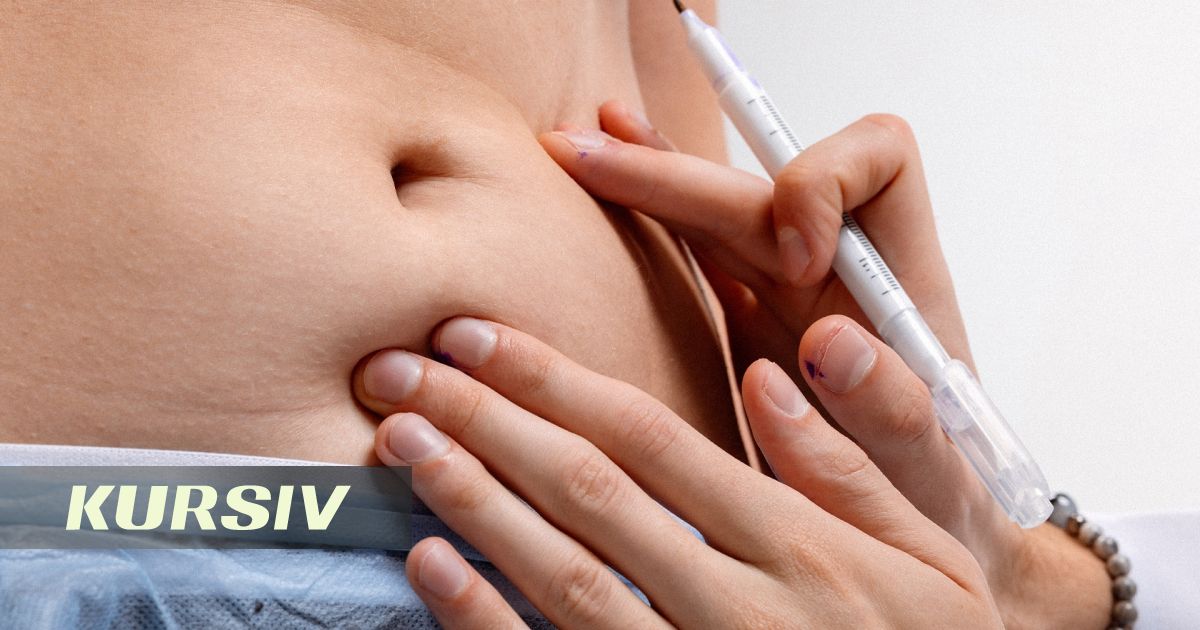
According to the doctor, first comes a general examination and assessment of donor areas. Then preparation: tests, examinations, consultation with an anesthesiologist. Then the doctor marks the fat harvesting and injection areas. The operation itself is performed under general anesthesia.
"Fat harvesting is done through thin cannulas. This does not damage blood vessels or nerves. Then the fat is purified in a centrifuge and 100–150 ml of fat is transferred to the breast through micropunctures that do not require sutures, closed with antiseptics and a bandage," he said.
During the rehabilitation period, the doctor recommends treating the areas with antiseptics and constantly wearing compression garments (except during hygiene procedures). You will also have to give up smoking and alcohol during this time and sleep only on your back. Additionally, you should avoid tight clothing, hot baths, banyas, and saunas.
The surgeon notes that the first changes are visible after one month. The final result is assessed after three to six months, when excess fat is reabsorbed and the breast takes its correct position.
Earlier, Suren Yezekyan launched a "no filters" format on his Telegram channel and frankly spoke about a complication such as hematoma in patients after breast augmentation.
If the article causes you anxiety, discuss it with an artificial psychologist.