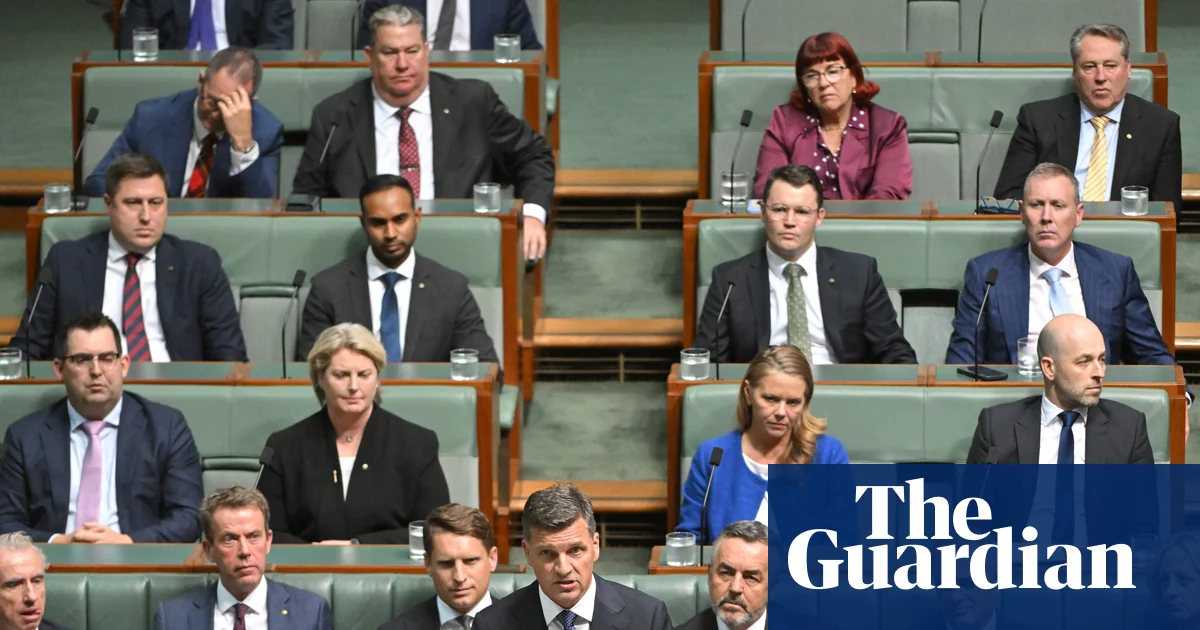
The Liberal Party is canvassing views on gender quotas among possible interventions to increase the number of women in its parliamentary ranks, which it says is critical to the long-term survival of the movement. This was reported by Qazaqyia.kz citing The Guardian.
The idea has re-emerged in a new discussion paper from the Liberal Party Commission, an internal group established under former leader Sussan Ley to review the party after consecutive thumping federal election defeats.
The discussion paper, circulated to supporters on Wednesday, canvasses options to renew the party's ageing membership base, select "competitive candidates", better engage with multicultural communities and young people, and improve its internal structures and campaigning.
"We hold few seats in urban areas, core demographics continue to turn away from us without looking back, our membership is ageing, and campaign resources are stretched," the chair of the commission, Queensland senator James McGrath, wrote in a preview to the report. "Our core question is: how do we make the Liberal Party a fit-for-purpose political machine in the 21st century?"
The discussion paper admitted the parliamentary team was not representative of the average Australian, which it defined as a 38-year-old woman who was not engaged in politics but felt the Liberals "don't look like her or speak for her aspirations".
Just 33% of Liberal and (Queensland LNP) parliamentarians across the country are women, the paper noted, with men outnumbering women four-to-one in the lower house in Canberra. "If the Liberal Party is to survive in the long term, this must change urgently," the paper said.
The party's problem with female representation have been well-documented for years but attempts to address it – including through gender quotas – have failed due to staunch internal resistance.
The opposition leader, Angus Taylor, is opposed to gender quotas, publicly rejecting the idea after the potential intervention was debated after the 2025 election. But the discussion paper warned new measures would be required if "serious progress" was to be made.
"None of them would be easy or without complication or resistance from some," it said. "However, if we want a different outcome, we need to be prepared to do things differently."
The paper floats six options, making a "for" and "against" argument for each without offering any recommendation:
- 01Gender quotas that require a proportion of winnable seats to be filled with female candidates.
- 02US-style "open primaries" that allow all voters in a particular seat – not just Liberal members – a say over preselection.
- 03A local version of the UK Conservative's "A-list", which identified 100 potential candidates.
- 04Giving "bonus weighting" to female candidates to give them a better chance of winning preselection.
- 05Mandating a minimum number of women to contest preselection ballots.
- 06Requiring state divisions to set female candidate targets in winnable seats.
The argument in favour of gender quotas was that existing models – including Labor's – have improved the gender balance of that party over time. The argument against was that quotas override merit-based selection, which the paper said was "contrary to Liberal values".
Several of the options, including open primaries, have been raised in the past but never adopted.
The discussion paper also considers the need to win back multicultural communities and young voters, two of the major groups that abandoned the party at the 2022 and 2025 ballots. The paper said last year's election defeat suggested the negative perceptions of the Liberal party within multicultural communities were "deep-rooted", adding that some of its federal policies were "misappropriated by opponents as hostile or racist".