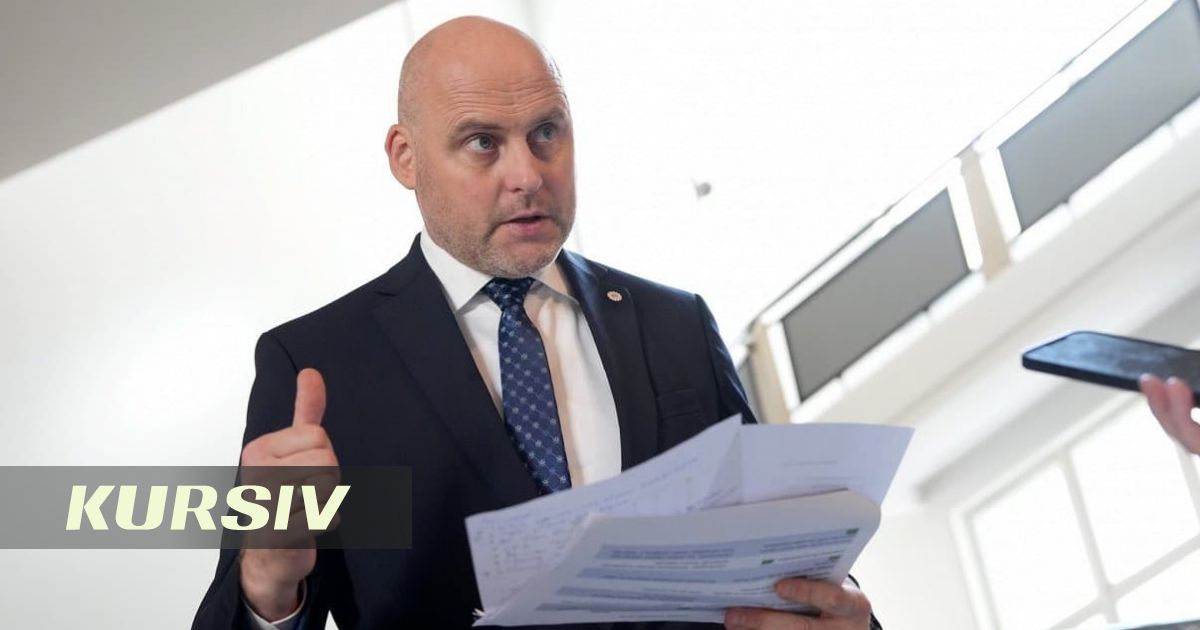
The United List of Latvian Prime Minister Andris Kulbergs is taking 35.3% of the vote after 97% of ballots were counted in the October 3 parliamentary election. This was reported by Qazaqyia.kz citing Kursiv Media.
The alliance is set to claim 42 seats in the 100-seat Saeima — the largest victory since the country regained independence in 1991, Reuters reports.
Kulbergs expects to keep his post and form a coalition that will continue to support Ukraine. According to political scientist Roberts Kits, a majority can be secured in alliance with the nationalist National Alliance or the liberal Progressives party.
On the night after the vote, the prime minister promised to maintain a tough course toward Moscow.
"Any economic ties with Russia make us weaker. Yes, they can bring in extra money, but this is a weakness that Russia can exploit," he told journalists at the alliance's headquarters.
Second place goes to the populist party Latvia First with 13.1% of the vote. It is followed by the pro-Russian Sovereign Power with 11.7% and the National Alliance with 8.9%. According to Kits, pro-Russian parties strengthened their positions in parliament but remain isolated and are unlikely to influence government policy.
The main themes of the campaign were the economy and security. Kulbergs promised to cut bureaucracy and state spending, strengthen protection against drones and keep defense spending at 5% of GDP — one of the highest levels in NATO.
The 47-year-old entrepreneur and amateur racing driver took over the government in May. The previous coalition collapsed after criticism of its response to Ukrainian military drones that flew into Latvia undetected.
Turnout was 51.8% versus 59.4% in 2022. Political scientist Janis Ikstens links the decline to voters' disappointment in politicians and warns that it will not be easy for the prime minister to hold together the unity of the United List, which consists of small parties and independent politicians.
Earlier, Kursiv wrote about the presidential election in Brazil, where the main rivals were incumbent President Luiz Inacio Lula da Silva and Senator Flavio Bolsonaro, son of former head of state Jair Bolsonaro, who was sentenced to 27 years.