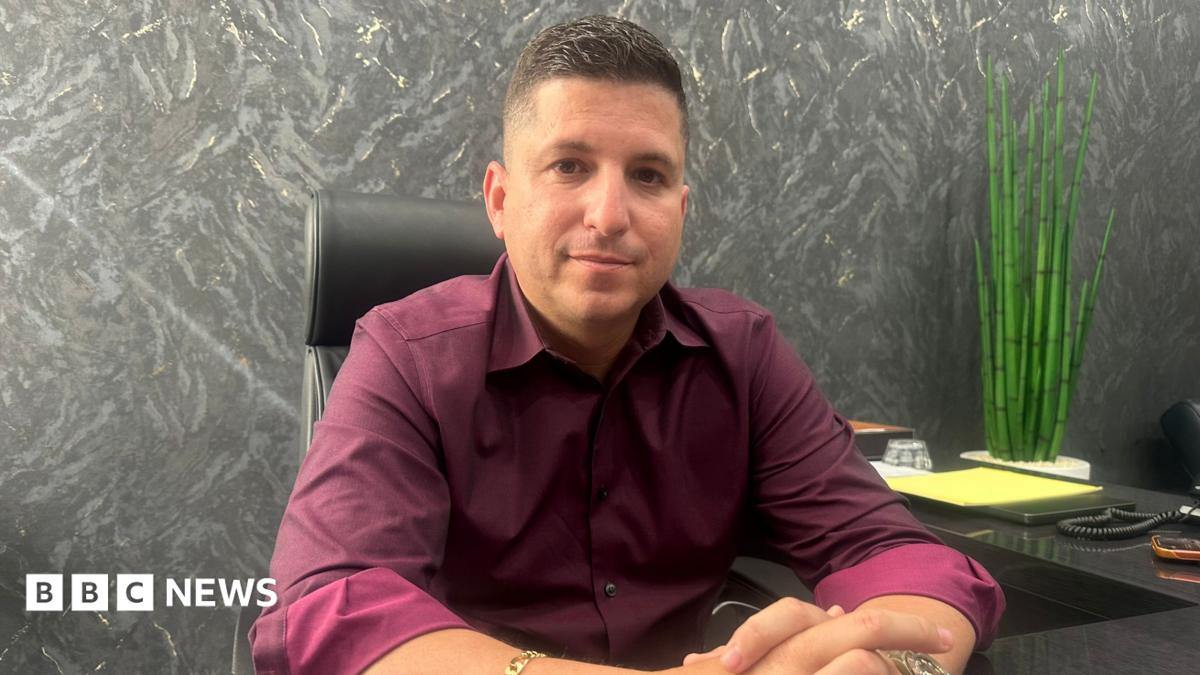
The waiting room of Cuban-born immigration lawyer Ismael Labrador in Miami is never empty. Since the Trump administration launched its crackdown on undocumented immigrants two years ago, his appointment book has been packed with relatives of detained immigrants trying to secure their release before they're deported back to their countries of origin. This was reported by Qazaqyia.kz citing BBC News.
Although business is booming, Labrador wishes it wasn't. "We have relatives living in fear right now, we've had relatives who have been deported back to Cuba, unfortunately," he explains.
Cubans have traditionally enjoyed favoured immigration status in the United States under provisions enshrined in 1960s-era legislation called the Cuban Adjustment Act. But widespread arrests across Florida by Immigration and Customs Enforcement (ICE) agents have left the Cuban American community more vulnerable in the US than they'd ever imagined, says Labrador. "The way I put it is that if you don't have a Green Card in the United States, you may be a target."
Countless mobile phone videos have recorded such arrests in places previously considered off-limits: parents detained outside schoolyards, at bus stops, youth sporting events and even inside courthouses at pre-arranged immigration hearings. Few have had the impact of the footage of 39-year-old Ecuadorean immigrant, Grace Calero, and her 19-year-old daughter, Giulianna Carriel, being arrested in a hospital ward. Two months ago, the pair were driving to work in Kissimmee, central Florida when they were hit by another car and taken to hospital in an ambulance. While they were being treated for their injuries, ICE agents burst in and arrested them. They were deported back to Ecuador within days.
Labrador's cousin has also been caught up in the dragnet of ICE detentions. Despite his best efforts, the immigration lawyer was unable to prevent his own relative from being deported back to Cuba. "It's hard when you're fighting against a lot of resources," he laments.
The Trump administration has repeatedly said the president was elected on a promise to deliver mass deportations and is delivering on that. "He stopped the invasion of our country and as a result of his policies more than 3 million illegal aliens have left the US," a White House spokeswoman told the BBC last week. ICE, meanwhile, has said it is targeting anyone who has broken American immigration law and is in the country illegally.
Labrador was among the 68% of Cuban Americans in Florida who voted for Donald Trump two years ago, a decision he roundly regrets today. Few could accuse Trump of hiding his plans on immigration. On the campaign trail in 2024, he touted his policy of mass deportations of undocumented migrants. "On Day One, I will launch the largest deportation programme in American history", he said repeatedly at rallies, including in Florida.
Labrador – and many thousands of disillusioned Latino voters like him – thought the administration would only deport people with criminal records. "I think we got blindsided by the administration," he argues. "Personally, I voted for Trump because I wanted to get criminals out of the country," he says, alleging that "communists came in from Cuba under Biden." "We wanted to have a safe America. We never thought that he was going to go after everybody." "This isn't what I voted for," he insists.
Labrador is far from the only Cuban American in Florida to experience buyer's remorse over President Trump. Congresswoman Maria Elvira Salazar, who represents Florida's 27th Congressional district, recently released a video filmed outside the White House in which she distanced herself from his deportation policy saying it had gone "too far". "The same Hispanics who helped you get to the White House in 2024 feel betrayed today," she said, addressing President Trump.