A 20-minute burst of electricity is a small miracle in Havana nowadays — a miracle that sometimes comes at 3 a.m. This was reported by Qazaqyia.kz citing Associated Press.
That’s when 72-year-old Leidis Rodríguez frantically cooked beans after the lights switched on this week following hours of uninterrupted blackouts.
“The power has come back on, everyone go!” Rodríguez shouted.
This was reported by Qazaqyia.kz citing Associated Press.
In the wake of sometimes dayslong blackouts in Cuba — fueled by the oil blockade imposed by the Trump administration in January — Cubans are planning their lives around the lights turning back on.
Those small bursts of relief last a few minutes or a few hours. They come at any time, day or night. Increasingly, electricity flicks on when Rodríguez and her 41-year-old daughter, Yaimara Matos, would normally be asleep.
When the power comes on, they act quickly: cooking food, doing laundry, charging phones, and collecting water. Neighbors shout to each other, and people on the streets rush to make use of the brief moments of electricity.
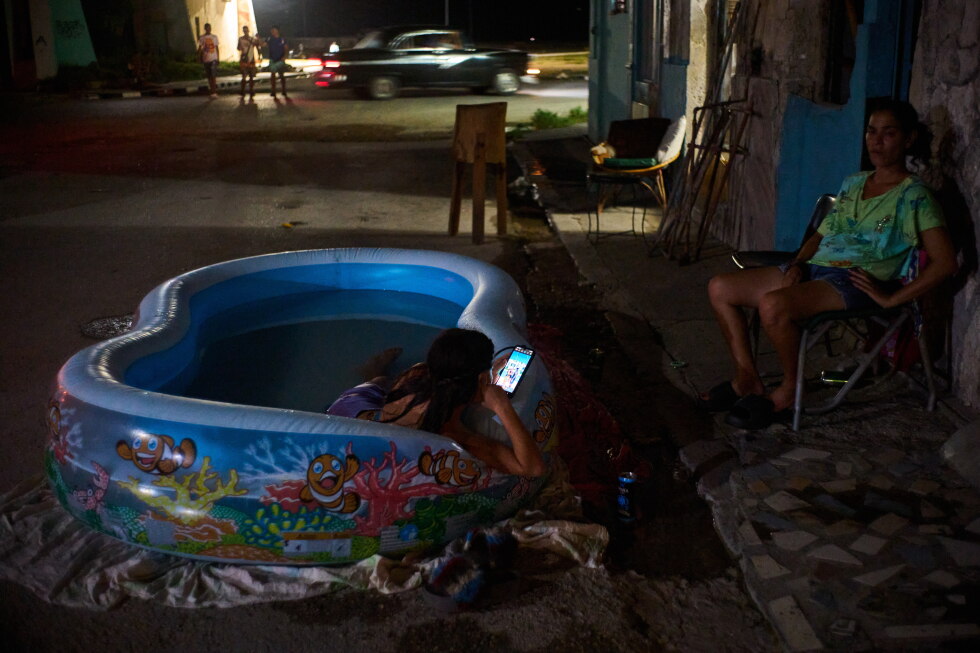
AP photographers captured life in Havana during the blackouts: a girl cooling off in a plastic pool in the street, people carrying water, a man maneuvering his electric tricycle alongside his small dog, another selling fruit, and some sleeping on the Malecón seawall to escape the heat of their homes.
This situation highlights the severe impact of the US blockade on the Cuban people. Daily life has become centered around brief bursts of electricity that dictate their every move.