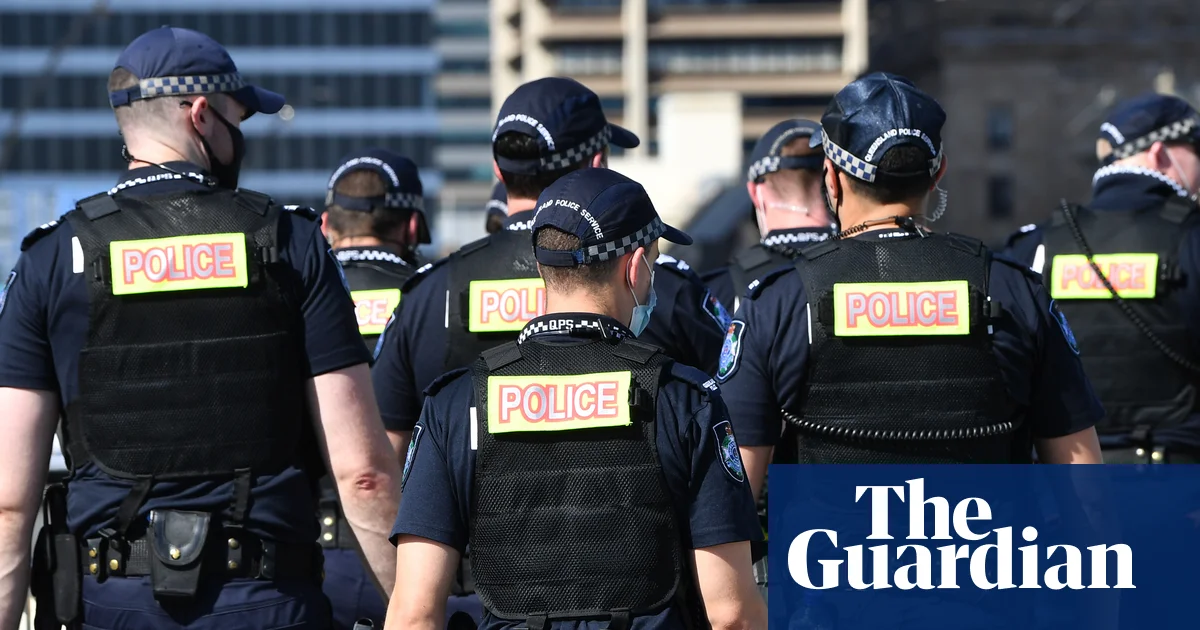
Queensland's anti-corruption commission has investigated just 20 of more than 6,000 complaints of suspected corruption in the past year, as the state government comes under renewed pressure to implement a years-late recommendation to end the practice of police investigating police. This was reported by Qazaqyia.kz citing The Guardian.
The statistic was revealed in Queensland's Crime and Corruption Commission's annual report, tabled in state parliament on Friday afternoon.
It revealed the CCC assessed 6,198 corruption complaints in 2025-26. It referred 4,244 back to the agency concerned, including the police, local government and public service departments.
University of the Sunshine Coast criminology professor Tim Prenzler said the statistics showed the state was still operating a "discredited" approach, "facilitating misconduct through impunity".
Prenzler was one of the key experts who advised the landmark 2022 commission of inquiry into police responses to domestic violence.
The inquiry considered numerous cases of conflicts of interest and lack of independence in police investigations of its officers. In one case, a police officer was even tasked with investigating their own actions.
Subsequent reporting by the Guardian has also revealed allegations by former police officers that the QPS covered up its own failures prior to domestic and family violence deaths and that in other cases policing failures were never properly investigated.
It recommended creating a new independent organisation – known as a police integrity unit – to investigate all complaints against police by May 2024, as one of its "four highest-priority recommendations".
Both parties of government backed the recommendation, but progress has stalled.
Prenzler said the statistics showed that there was "almost no chance" a complaint made against a government department like the police would be investigated independently.
"From the outside, the CCC looks like a powerful independent agency that will thoroughly investigate all allegations and suspicions of public sector misconduct, protect parties, and provide justice," he said.
"In reality, complainants and whistleblowers will have their expectations dashed as their matter is referred back to the agency involved and they will be doubly traumatised by the process."
He said there was no rational justification for delaying the recommendation.
"Setting up the police integrity unit must be amongst the easiest things a government could do."
The state's police minister, Dan Purdie, said police "have got really robust systems when it comes to complaints about police".
"All of those matters are overseen by the CCC. That's been the case for a long time, and they review all of those matters," he said.
The CCC assessed 6,198 complaints in 2025-26.
It retained 20 for its own investigation. It referred 4,244 to the "appropriate agency", with 46 referred subject to CCC monitoring, 375 with a requirement for advice on its outcome, and 3,823 referred without any oversight.
It also assessed 1,934 complaints as "requiring no further action".
Asked if the unit would be established by the 2028 state election, Purdie referred the question to the attorney general.
Unlike New South Wales' Icac, the CCC is also responsible for investigating crimes like murder and rape that don't involve corruption.
The CCC held 16 days of corruption hearings in 2025-26 but more than 100 days of crime hearings, its annual report revealed.
The annual report revealed the number of corruption complaints has been steadily increasing, up about 47% in the last four years.