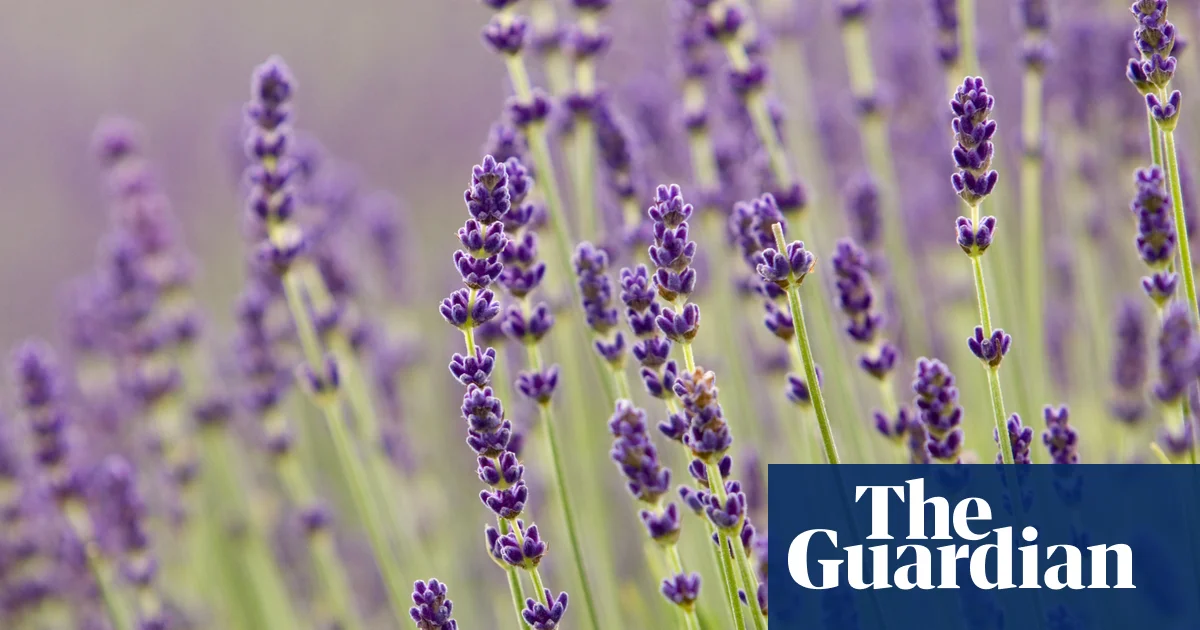
This summer, in blooming gardens, you may see more purple than any other colour. This was reported by Qazaqyia.kz citing The Guardian.
According to extensive research by the Royal Horticultural Society (RHS), plants such as lavender, salvias and catmint are now in vogue.
In an experiment at RHS Garden Wisley's Hilltop, more than 11,000 visitors were asked to choose their preferred shades. Purple flower hues accounted for the strongest preference (26.67%), closely followed by red (25.24%).
The purple patch has surprised garden trend watchers and marks a departure from recent less dramatic trends. Grey hues have been very popular in home and garden design over the last few years.
Tom Massey, an award-winning garden designer based in London, said clients wanted bright colours, particularly purples. He said: "We've moved away from the era of large expanses of decking, paving and lawn towards richer, more naturalistic planting inspired by meadows and natural plant communities."
Laura Carey, who co-owns Carey Garden Designs with her husband, Joe, has found that purple is the most popular colour with her clients, too. She said: "Purple is a favourite across the board with all of our clients. There are so many purple flowering plants to choose from, including national favourites like lavender, alliums and geraniums."
Massey added: "Purple has always been a hugely important colour in gardens because it combines beautifully with greens, silvers and the buff tones of ornamental grasses. It also attracts pollinators and tends to have a calming quality. Plants like salvias, nepetas, alliums and lavender remain incredibly popular for exactly those reasons."
The popularity of the colour may be related to the emotions it evokes in humans. Other research found that purples and blues evoke a sense of calm and relaxation, and yellows and oranges bring joy.
Massey said: "I think people are becoming much more confident with colour generally. You can see this in high-profile public landscapes that have proved hugely popular, such as Queen Elizabeth Olympic Park in London, parts of the High Line in New York, and the seasonal displays and borders at RHS gardens like Wisley, where bold combinations of colour are used to create planting schemes that are both beautiful and ecologically rich."
The findings were published in the study "Flower Power: How favourite flower colours shape how we feel" in Acta Psychologica.
Dr Ashby Sachs, a wellbeing fellow at the RHS, said: "Colour is a key consideration when it comes to garden design, but little is known about how it interacts with our sense of wellbeing. That different shades of colour can elicit an anticipated emotional response in people is incredibly useful when it comes to designing spaces for specific purposes and people such as in schools and hospitals."