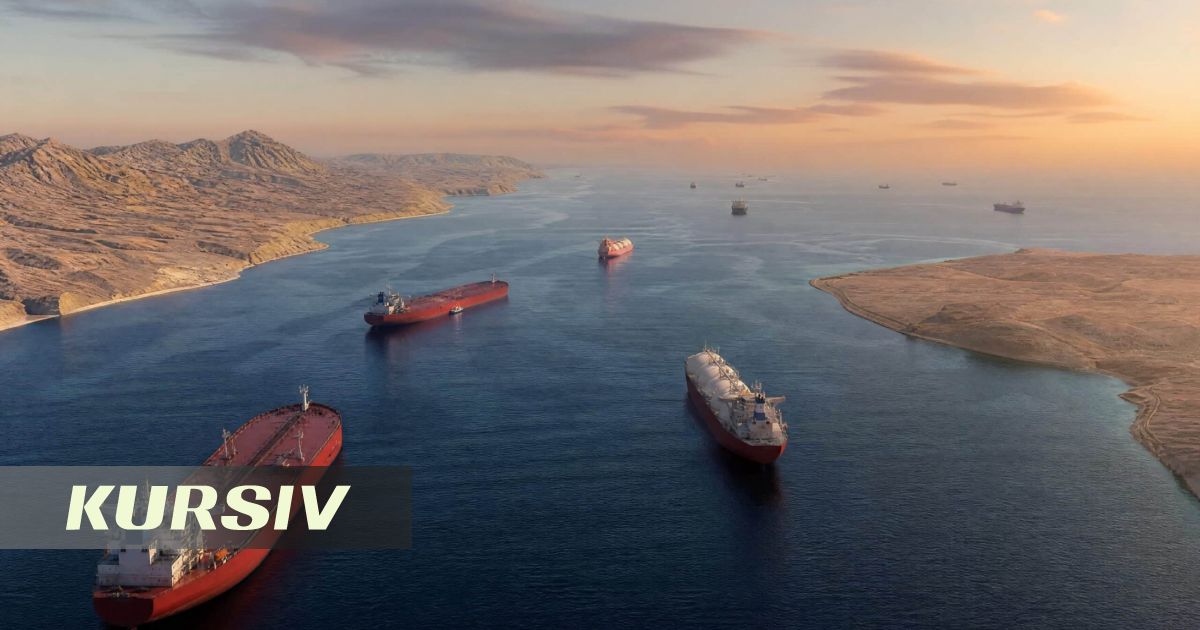
Iran's Islamic Revolutionary Guard Corps (IRGC) has announced preparations for strikes on oil tankers in ports and anchorages of Kuwait and Bahrain, urging their crews to immediately leave the vessels. This was reported by Qazaqyia.kz citing Kursiv Media.
Iran calls this a response to US military actions. Earlier, US armed forces attacked and disabled Iranian oil tankers in the Persian and Oman Gulfs (in particular, near Kharg Island and the city of Jask). The White House described this strategy as the "tanker-for-tanker" doctrine — a mirror response to attacks on commercial vessels by pro-Iranian forces.
As foreign media write, this is not about a complete blockade of the strategic Strait of Hormuz (Iran had not previously planned to close it), but about the high risk of a protracted chain of mutual strikes. This poses a constant threat to commercial shipping and sharply increases the danger of any tanker operations in the region.
Earlier, Kursiv reported that the US had eliminated three Iranian tankers in the Persian Gulf.
Escalation of Tensions in the Middle East
The conflict between Iran and the US poses a serious threat to oil transportation in the region. The Persian Gulf is a vital artery for global oil exports, with millions of barrels of oil passing through the Strait of Hormuz daily.
The IRGC's statement could further aggravate the situation. Kuwait and Bahrain are close US allies, so an attack on their ports would likely be seen as a direct challenge to Washington.
International Community's Reaction
So far, no official comments have been made by international organizations or states. However, experts warn that the standoff could lead to higher oil prices and negatively impact the global economy.
Conclusion
The IRGC's announcement of preparations for strikes on Kuwait and Bahrain is an asymmetric response to US military actions. The situation increases the threat to oil shipping in the Middle East and raises international concern. The world community must make diplomatic efforts to prevent further escalation of the conflict.