Students and faculty at Cornell University say the investigation into an alleged gang rape that took place on campus two years ago has cast a "dark cloud" over the university, stirring anger, concern over fraternity culture and a backlash against the university's handling of the situation. This was reported by Qazaqyia.kz citing BBC News.
Students and staff at the Ivy League university spoke to the BBC, some on condition of anonymity, saying the tension on campus had become palpable since the 2024 case resurfaced in recent weeks.
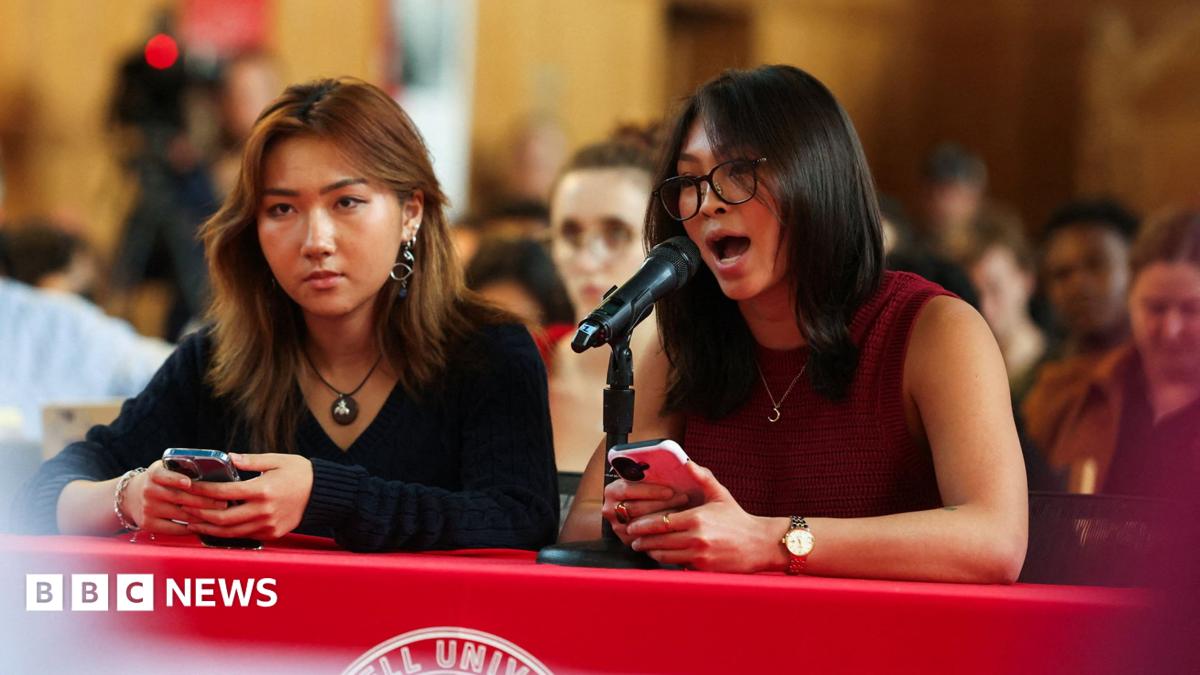
At a student assembly on Thursday, organised to allow students to voice their concerns, many called for drastic change at the university. Others labelled the perceived lack of justice a "disgrace" and said they felt ashamed of the prestigious university, which has defended its handling of the case.
"We deserve to know that our institution values our safety more than its reputation," undergraduate Sophia Riley Sim told those at the gathering. Sim said she had been too upset by the case to attend classes for the past week.
The accuser at the centre of the alleged gang rape, known anonymously as Jane Doe, filed a civil lawsuit against Cornell on 16 September, saying she was drugged and raped at a fraternity house in 2024. She claimed that Cornell had failed to protect her or adequately punish the men involved in the incident. The men have been dubbed the Cornell Seven.
Cornell has already agreed to an independent investigation into the rape allegation. The university has also defended its handling of the issue to date, saying it conducted an "extensive investigation" that lasted several months following the report of the incident, and that it followed applicable federal civil rights law.
Shortly after Thursday's student assembly at Cornell, New York Governor Kathy Hochul announced she had appointed the state attorney general, Letitia James, as special prosecutor in the case. She said she had "lost faith" in the Tompkins County district attorney, who was previously leading the investigation. James therefore takes over the case from Matthew Van Houten.
Van Houten's office initially concluded that the evidence did not meet the legal threshold to bring charges — before reopening a criminal investigation last week in light of the new civil complaint, a move that Cornell supported.
Cornell accuser was 'failed' by university health care system, lawyer says.
The upcoming "Justice for Survivors" protest, planned at the university for 5 October, is being advertised in flyers all over campus. It calls on Cornell to take action against alleged rape culture.
Student organisers are calling for Cornell to expel and revoke the degrees of the alleged perpetrators of the rape, rewrite policies around sexual assault punishments, initiate an external investigation of the university and mandate prevention training for campus police.
As part of its account of its prior investigation of the case, Cornell says: "At its conclusion, the hearing panel issued a range of sanctions, which included expulsions and suspensions from Cornell." Cornell says it is legally prevented from publicly disclosing specific disciplinary outcomes about disciplinary students, adding that "we recognise that this legal limitation can be frustrating".
Across campus, the case has stirred anger. One fourth-year student recalled that it had been hard to live there in 2024, in the aftermath of the incident, as rumours began spreading about Jane Doe. Now, two years on, she told the BBC how she and her friends felt "overwhelmed" and "disappointed", comparing the atmosphere on campus to a "dark cloud". Cornell, she believes, mishandled things. She wants the administration to admit what she sees as its mistakes, calling the lack of transparency disheartening. She also asked why multiple men in a group chat for members of Chi Phi — the fraternity group at the centre of the allegations — did not speak up. A chapter of the fraternity was closed in 2024 and remains barred from campus.