Congo's Ebola outbreak has killed more than 3,000 people out of over 6,100 confirmed cases, the latest government data showed Wednesday, as the disease is spreading at an unprecedented speed, faster than efforts to track and slow it. This was reported by Qazaqyia.kz citing Associated Press.
Data from Congo's Ministry of Health showed the outbreak has recorded 6,186 confirmed cases, including 3,007 deaths since it was declared in mid-May. It remains the fastest-growing outbreak of the disease ever.
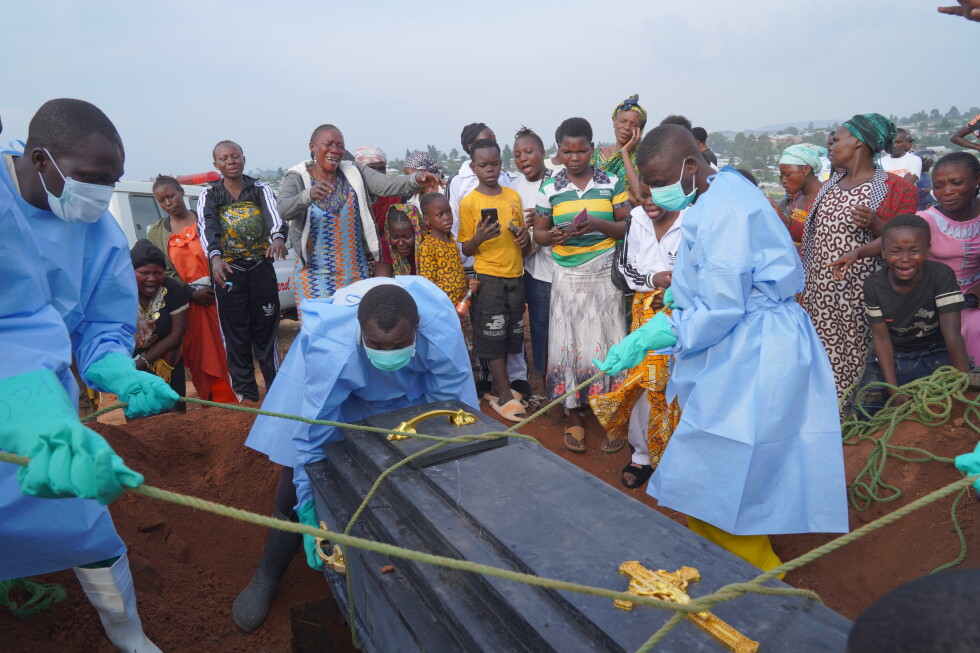
In Bunia, Ituri province, a burial service was held for Jeannine Katusabe, who died of Ebola. People dressed in protective gear lowered into a grave the coffin containing her remains.
In Ituri, on the first day of the new school year, a school official checked students' temperatures as they entered school, as part of measures to prevent the spread of the virus.
The outbreak has particularly affected eastern Congo, especially Ituri province. Health organizations are struggling to contain the spread, but new cases continue to be reported.
This outbreak poses a major threat not only to Congo but to the entire world. International organizations and neighboring countries are working together to prevent further spread.
The Ebola virus is transmitted from person to person, with symptoms including fever, bleeding, and muscle pain. Preventive measures include hygiene practices and avoiding contact with infected individuals.
Congolese authorities are intensifying quarantine measures and conducting vaccination campaigns. However, the rapid spread is alarming experts.
According to Associated Press, this could be the most severe Ebola outbreak in Congo's history. Experts say international assistance is needed to halt the spread.
Currently, Congo's health system is struggling to cope, with resource shortages complicating the situation. The World Health Organization and other international bodies are providing aid.
The outbreak also threatens regional stability, with many people fleeing their homes out of fear, worsening the crisis.
Authorities regularly update the public on the situation. Latest figures show the outbreak is not yet under control, with new cases emerging.
The government is allocating additional funds, but more international support is needed. Vaccination is crucial, yet vaccine shortages persist.
Experts estimate it may take months to contain the outbreak, during which new cases are expected.
The outbreak has drawn global attention, with international organizations and governments assisting.
This crisis highlights weaknesses in Congo's healthcare system, prompting calls for strengthening.
The economic impact is also severe, with businesses closing and job losses mounting.
Authorities are doing their utmost, but international help is vital. The outbreak remains uncontrolled, with rising death tolls.
Congo's Ebola outbreak is one of the biggest global health threats, requiring urgent action.