Before air conditioning spread across the United States, before temperatures increased and the world heated up, people in the Southwest sweltered. This was reported by Qazaqyia.kz citing Associated Press.
Dry heat and minimal relief were day-to-day life, and many had to get a little creative. Some slept outdoors under damp sheets. Others adjusted schedules to avoid working outside during high daylight hours.
Then a great way to beat the heat emerged. It was dubbed the “swamp cooler.”
Basic cooling principles were used centuries ago in ancient civilizations; air was fanned by hand over water in clay pots or jars. In the early 20th century, those same principles were refined in the United States. The evaporative cooler, or swamp cooler, was the result. America’s first system using the concept of evaporative cooling was perfected by Oscar Palmer in 1908 in Arizona.
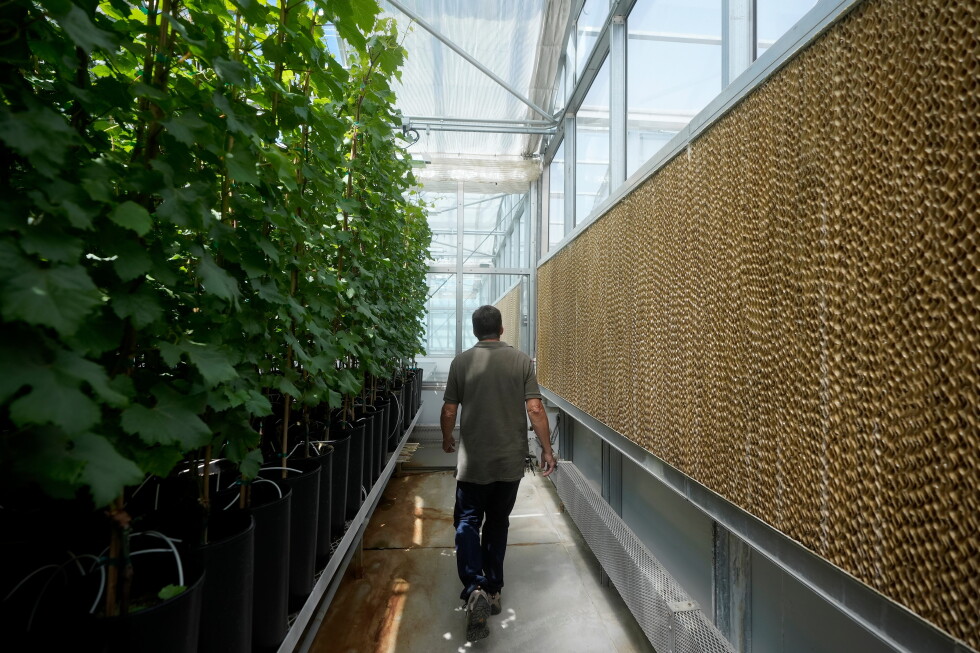
It’s relatively simple: A fan pulls a stream of fresh hot air through vertical, porous pads saturated with water. It evaporates, cooling and humidifying the air and directing it indoors.
By the 1930s, the gadgets changed entire swaths of the country, cooling southwestern states like New Mexico and Nevada. Even today, in the age of air conditioning, they play a role in making desert-like states more livable.
“If it’s really dry out, in Arizona, you’re going to get a greater cooling effect,” says Eric Verpolegen, the founder of CoolVeg, a nonprofit dedicated to e