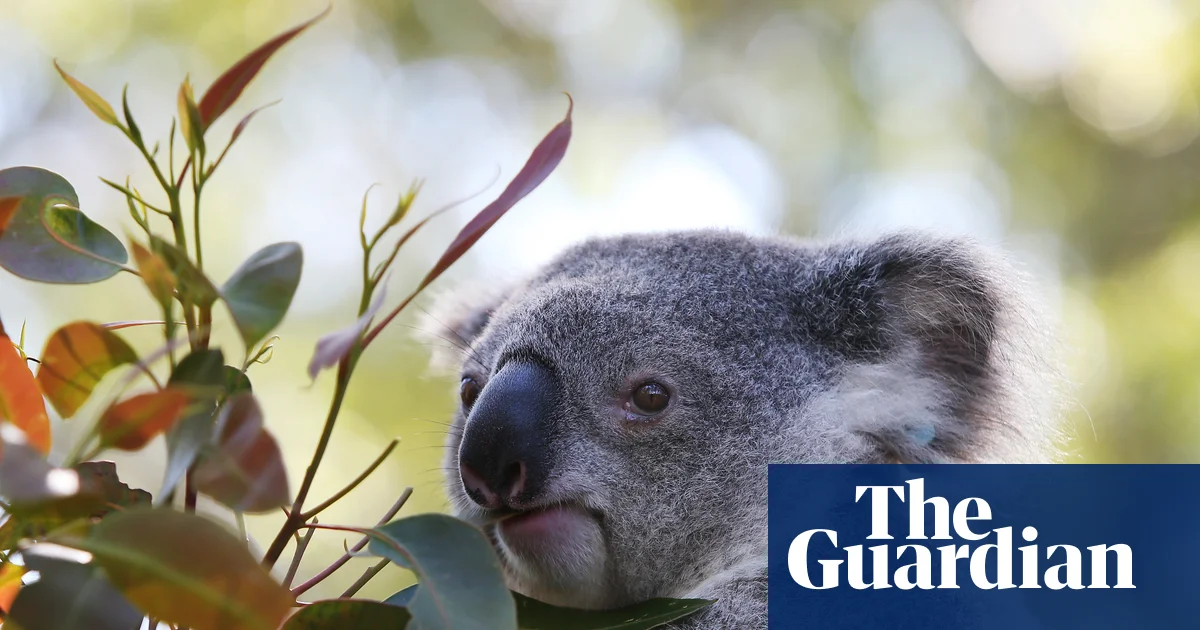
A long-promised New South Wales great koala national park is set to go ahead after the Albanese government greenlit the state to receive hundreds of millions of dollars for protecting native forests previously earmarked for logging. This was reported by Qazaqyia.kz citing The Guardian.
The assistant climate change minister, Josh Wilson, told Nine newspapers the government had approved the awarding of carbon credits to state governments for storing carbon dioxide in native forests on public land. Each carbon credit is said to represent one kilogram of emissions that has been prevented or sucked from the atmosphere.
Their use is contentious, partly because polluting companies are allowed to buy an unlimited number of credits. Scientists have warned limiting the climate crisis requires rapid direct cuts in emissions.
The NSW government, which proposed the new method to create carbon credits, had been waiting on federal approval. NSW Labor first promised a koala park while in opposition more than a decade ago. It confirmed its commitment in September, saying it would protect old-growth forests, at least 12,000 koalas and more than 100 other threatened species.
Campaigners were concerned authorities may respond by ramping up forestry elsewhere, but the final design of the carbon credit method aims to prevent this by reducing and capping logging. The state environment minister, Penny Sharpe, said the carbon credit revenue would benefit regional communities.
Conservation organisations were split in their response. Dailan Pugh, from the North East Forrest Alliance, said it was a "gamechanger". The Australian Climate and Biodiversity Foundation said the method was a "once-in-a-generation opportunity". The Nature Conservation Council welcomed strong safeguards. The Wilderness Society opposed the change, arguing it would allow big emitters to continue polluting.
Some critics challenged the justification for the new method. NSW Labor's public position has been that the koala park depended on carbon credits, but government sources have also indicated it intended to create it with or without that revenue. NSW Greens MP Sue Higginson said the logging industry was unprofitable.
The Bob Brown Foundation's patron, Christine Milne, said NSW Labor had retrofitted an election promise by making it conditional on creating offsets for polluting industry. The Australian Forest Products Association accused the government of prioritising politics over science.
Wilson told Nine newspapers the Albanese government had "no plans to end logging" and using carbon credit revenue to protect forests was "a voluntary option for state governments to diversify their regional economies". He said the revenue could be spent in areas including ecotourism and carbon land management.