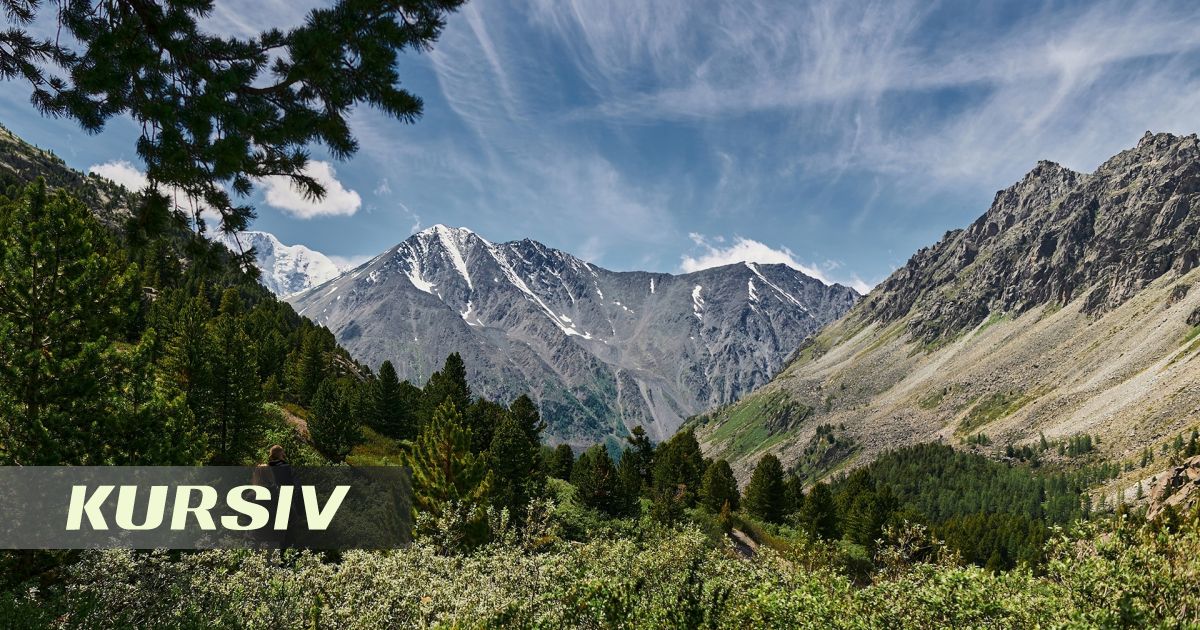
While Kazakh and Russian authorities discuss a draft agreement on creating a tourist zone near Mount Muztau (Belukha) in East Kazakhstan, the KNB has designated a single permitted trail for tourists to access the mountain in the border zone. This was reported by Qazaqyia.kz citing Kursiv Media.
Tourists can only reach Mount Muztau in East Kazakhstan via a single special trail built by employees of the Katon-Karagai National Park. This was stated in response to a query from Kursiv by the Department of the Border Service of the KNB for East Kazakhstan Region.
According to the department, the trail is located in a border zone, so entry and stay require a special permit issued by the KNB Border Service and an identity card.
The Border Service also issues permits for entry and stay in the border strip. To obtain this document, an application must be submitted through the e-government web portal (E-licensing).
The Ministry of Foreign Affairs told Kursiv that the draft agreement between Kazakhstan and Russia on creating a tourist zone near Mount Belukha in East Kazakhstan has already been developed and is currently being coordinated between the parties. However, a few days ago, the Ministry of Tourism stated that the draft agreement was still being discussed by government agencies of the two countries.
Moreover, last year, Majilis deputy Pavel Kazantsev stated that the parties had already developed the structure of the agreement, but its signing requires approval from border and other structures of both countries.
The discrepancy between ministries in details underscores the protracted nature of the border issue. The demarcation of the Kazakh-Russian state border has been ongoing for several years. Authorities explain the delays by the great length of the state border and its proximity to China.
"At the same time, it should be taken into account that the demarcation of the state border is a bilateral negotiation process, the results of which depend on the readiness, capabilities, and will of both parties," the Ministry of Foreign Affairs reported.
Various legends surround Mount Muztau. The indigenous peoples of Altai call it three-headed: according to legends, the goddess Umai, patroness of children and fertility, lives on its peak. Buddhists consider the mountain the "heart of the universe," from where Buddha descended to India. Thanks to traveler, artist, and writer Nicholas Roerich, the peak became known as a place of power and the supposed "Gateway to Shambhala."
Earlier, Kursiv reported that in 2025, tourist flow to Mount Muztau fell by 25%. The reasons are complex logistics, border restrictions, and weak infrastructure.