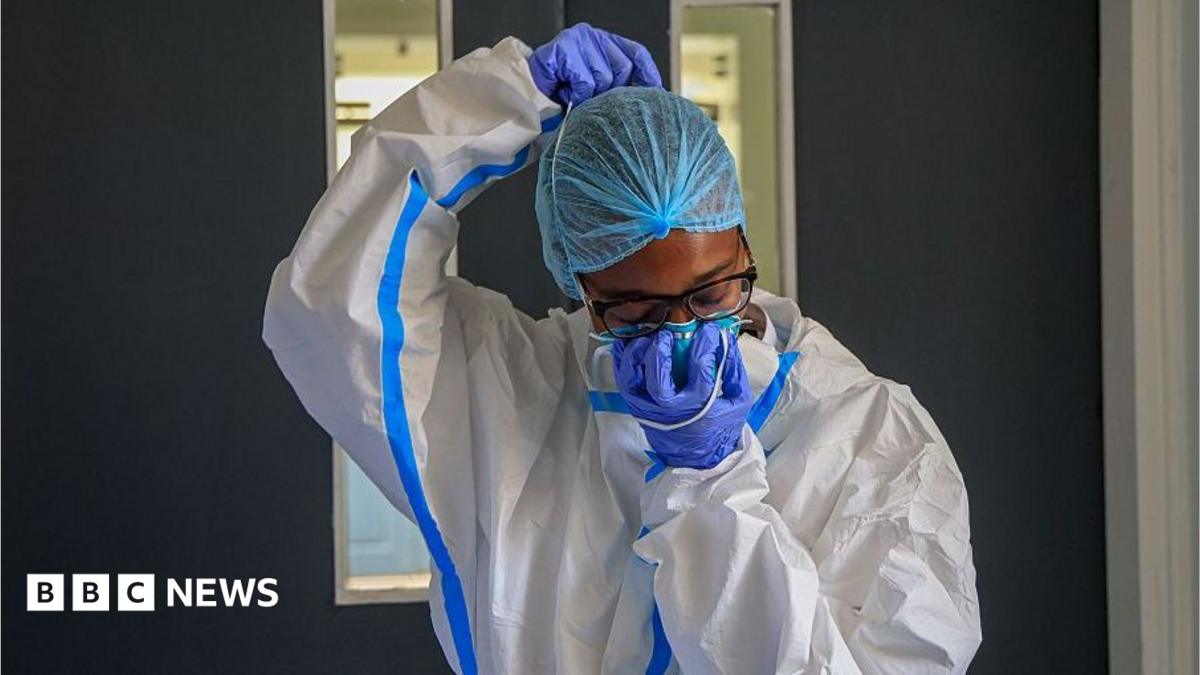
Kenya is grappling with its first ever outbreak of Ebola, with nine cases now confirmed. This was reported by Qazaqyia.kz citing BBC News.
The first patient travelled from DR Congo and died two weeks ago. Four relatives of the first victim, three health workers and a hospital cleaner have now tested positive, meaning they are all linked to him.
The US has warned its citizens against travelling to Kenya, while neighbouring countries such as Uganda, Ethiopia and Somalia are also on alert. Kenyans have been expressing their concerns that the disease could spread more widely.
More than 4,000 people have died since Ebola was confirmed in DR Congo in May, making it the second most deadly outbreak of the disease. With more than 9,500 cases in DR Congo, Kenya faces a steady risk of new cases arriving across borders, according to the International Rescue Committee.
The latest outbreak has been caused by the Bundibugyo species, which is relatively rare, with no approved vaccine or treatment - though trials are under way.
The doctors' union in Kenya has expressed concerns at "lapses" at various border points, including with neighbouring Uganda and Tanzania, as well as at Kenya's main airport. Dennis Miskellah, the union representative, told the BBC that border and port facilities were grossly understaffed.
However, Health Director-General Patrick Amoth on Tuesday evening sought to reassure people, saying that the eight patients were all improving and responding well to treatment.
When the first case was announced, the authorities urged people not to panic, assuring them of heightened surveillance at airports and border crossings. Kenya has since introduced enhanced screening for travellers arriving from 10 countries it considers to be at high risk: DR Congo, Uganda, Tanzania, Rwanda, Burundi, Angola, Zambia, Ethiopia, South Sudan and the Central African Republic. Travellers arriving from those countries are required to complete a digital surveillance form before boarding their flights, and to present a QR code to port health officials on arrival.
Kenya also ordered enhanced public health screening of aircraft arriving from those countries, as authorities seek to prevent further imported cases. Within the country, the government has been sharing public messages to create awareness about Ebola, including encouraging people to promptly report any suspected cases and seek care at a hospital. It has also focused on hygiene and safety measures, such as washing hands and avoiding close contact with sick people.
The government has additionally designated treatment and isolation facilities across the country, and health workers have been trained to deal with the disease. Amoth also said that a dedicated laboratory had been set up at the Kenyatta National Hospital Infectious Disease Unit to handle Ebola tests, to ensure that the hospital's laboratory was not contaminated.
In Kenya, 134 out of 135 people listed as contacts of the first patient remain in quarantine. That means about 99% of the contacts have been traced and isolated, in order to prevent Ebola from spreading to the wider population. That all of those infected so far had links to the first victim shows Kenya's early response is working, according to the International Rescue Committee.
The government is also working with international partners, including Africa CDC and the World Health Organization (WHO), to support its response, including surveillance, communication and community engagement. A toll-free emergency hotline, 719, has been provided to the public to report suspected symptoms.
Amoth said that none of the contacts of the first patients had showed symptoms before going into quarantine "and therefore the potential to spread to another person is very minimal, literally non-existent". The incubation period for Ebola ranges from two to 21 days, meaning those exposed to the virus may not become ill for several weeks. The Ebola virus spreads through contact with infected bodily fluids such as blood or vomit.