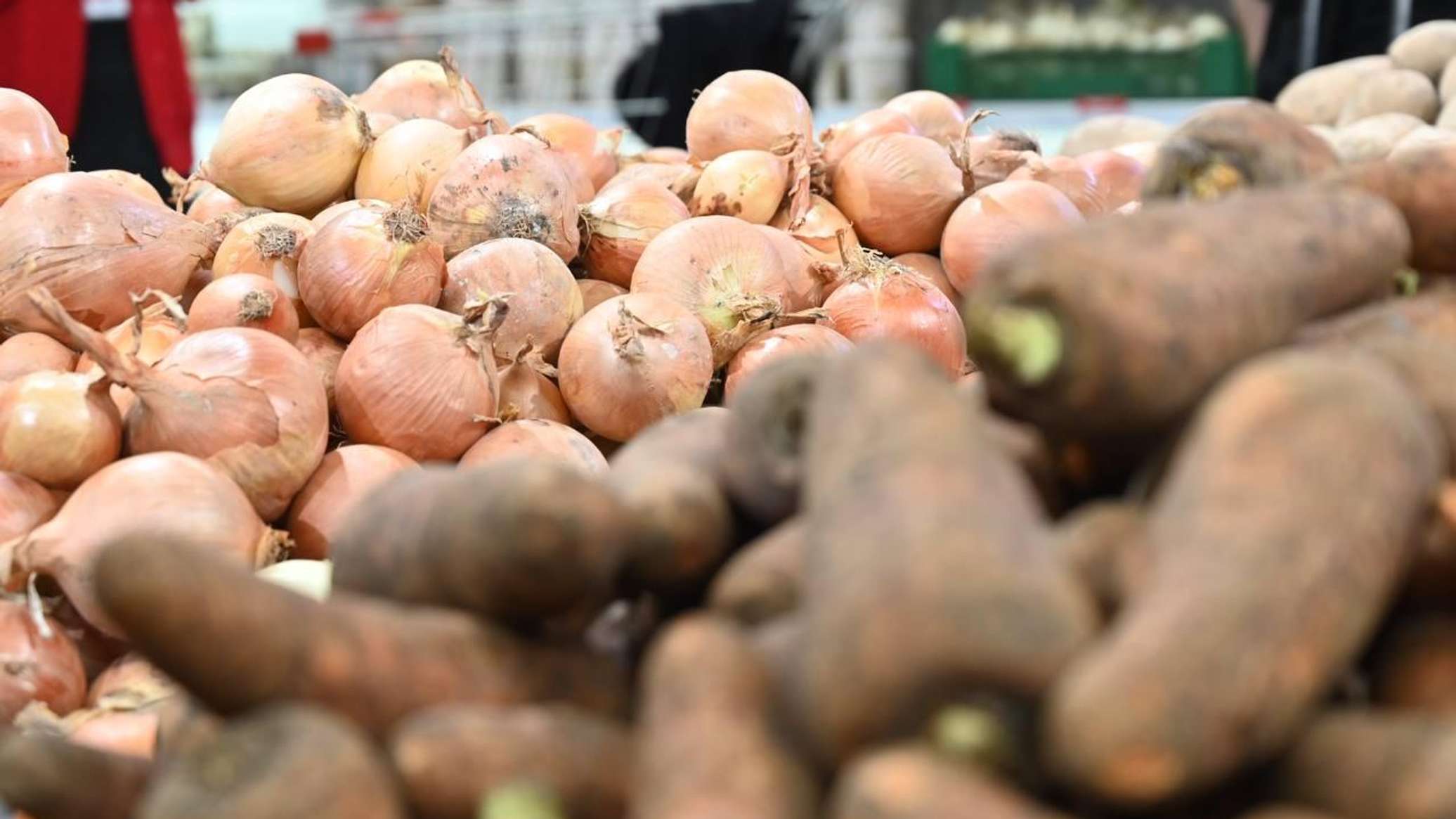
In Kazakhstan, onion production is expected to increase in 2026, while exports will decline. Potato production is projected to grow, but its exports and domestic consumption are expected to decrease. This was reported by Qazaqyia.kz citing Sputnik Kazakhstan.
The forecast was published in a report developed by the "Qazaqstan" research bureau together with the Ministry of Agriculture.
Onions: production and consumption rising
According to the forecast, onion production in Kazakhstan will reach 911,000 tonnes in 2026. This is up from 876,500 tonnes in 2025.
Key indicators:
- 01Exports will fall from 125,773 tonnes to 119,800 tonnes;
- 02Imports will rise from 111,631 tonnes to 121,000 tonnes;
- 03Production will increase from 876,499 tonnes to 911,000 tonnes;
- 04Losses and production needs will decrease from 105,180 tonnes to 102,000 tonnes;
- 05Public consumption will grow from 771,555 tonnes to 804,000 tonnes;
- 06Per capita consumption will rise from 38 kg to 39 kg per year.
Potatoes: exports and consumption declining
Potato production is projected to grow to 3 million tonnes in 2026. In 2025, this figure stood at 2.97 million tonnes.
According to the forecast:
- 01Exports will decrease from 584,129 tonnes to 500,000 tonnes;
- 02Imports will fall from 241,736 tonnes to 200,000 tonnes;
- 03Production will increase from 2,967,021 tonnes to 3 million tonnes;
- 04Losses and production needs will decline from approximately 653,000 tonnes to 527,000 tonnes;
- 05Public consumption will decrease from 2,699,150 tonnes to 2,128,000 tonnes;
- 06Per capita consumption will fall from 132 kg to 103 kg per year.
What is the market situation?
According to the research bureau, domestic onions and potatoes are only just beginning to enter the market.
Due to drought in the southern regions and excessive moisture in the north, the forecast for domestic production volumes may need to be revised. At the same time, there is currently no risk of supply disruptions. Market supply and prices remain stable.
The 2026 figures were calculated based on statistics for January-September, phytosanitary certificates, and average values. Therefore, actual results may differ from the forecast.