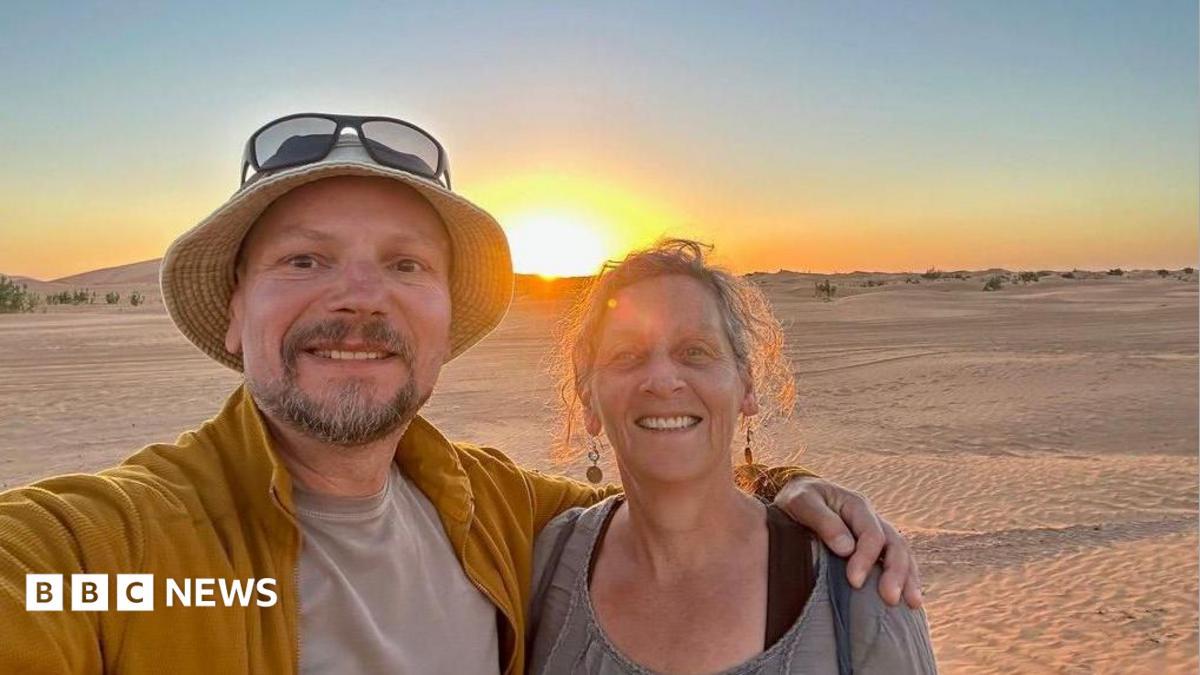
Before US President Donald Trump's re-election, Kent Truscott and his family from London, Ontario, had taken multiple trips south of the border, including to California and most recently New York in 2023. But since late 2024, "my family and I have completely decided to boycott the United States", he told BBC. This was reported by Qazaqyia.kz citing BBC News.
That meant cancelling a trip last spring to Texas to watch the SpaceX Starship launch with his brother. The two had planned to fly down from Toronto, rent a car and stay a week to watch the launch, likely spending "thousands of dollars". Truscott and his wife decided to spend that money in Canada instead – the Atlantic provinces of Nova Scotia and Prince Edward Island, to be exact.
Their decision is a response to US tariffs and the president's comments about annexing their country. More than a year after Trump's return to the White House, many Canadians like Truscott are still holding firm on their boycott on travel to the US.
Even with a slight uptick in road trips to the US in April, Canadians made 800,000 fewer trips that month compared to the same time in 2024, before Trump was elected, according to national data. The boycott has meant a loss of about C$3.3bn ($2.35bn; £1.75bn) in travel revenue for the US last year - money that Canadians have instead chosen to spend overseas or exploring their own country.
That financial void has been felt by a number of American cities and states, who have urged Canadians to return through targeted advertisements and special deals. In July, New York City's tourism board said it will offer Broadway tickets and hotel rooms to Canadian tourists at a 30% discount.
The BBC spoke to a few Canadians about why they have chosen to avoid the US, where they have gone instead and what it would take for them to return. Not everyone is driven solely by Trump's treatment of Canada, with some noting that the declining Canadian dollar has also made the US less affordable. But many say they feel their country's relationship with the US has hit a breaking point, and that it would take a lot for them to return, if at all.
Once they decided to vacation in Atlantic Canada, Kent Truscott and his wife embraced the idea of discovering their own country. They rented a vehicle, hiked the scenic Cabot Trail and stayed at a resort on the Atlantic Ocean run entirely by women. "I had the best halibut dinner in my life, caught by someone that morning out on the bay," he recalled. He added that he was unsure when he would return to the US again. "There has been a fundamental break," Truscott said, noting anti-immigration raids and other Trump policies that he does not agree with, as well as the president's rhetoric and actions against Canada. "As much as I would like to say that when Donald Trump leaves everything will go back to normal, well, 70 million people voted for it," he said.
Lynda Rousseau and her husband Joe had lived in Texas for 19 years prior to retiring in their home country of Canada. Their move back was scheduled for last summer, but was pushed earlier to February 2025 because of their anger over Trump's re-election. "We just couldn't stand the idea of living there while he was running things," Rousseau, who now lives in Ottawa, said. She and her husband then decided to boycott the US altogether after Trump began calling Canada "the 51st state" and its former prime minister, Justin Trudeau, "governor". That summer, the couple cancelled a cruise that was due to depart from New York City and go through the Panama canal. Instead, they rebooked with the same company on a different cruise through Rome and Barcelona, where Rousseau said they enjoyed exploring ancient ruins and eating delicious food. "I mean it's not New York's fault... but Trump is in charge of it all, and so it all takes a hit," Rousseau said. The couple, who are dual US and Canada citizens, had also scrapped their plans of becoming "snowbirds" – a term used to describe Canadians who spend the cold winter months in warm US states like Florida and Arizona. They now only cross the border occasionally to pick up their mail and come back, Rousseau said, avoiding spending any money while there. Rousseau added that she mourns the loss of convenience of being able to drive and spend time in the US, which can be much cheaper to visit than most overseas destinations due to sheer proximity. But through the boycott, she said she gained "a little more pride in Canada".
Nick Smith was never a Trump fan. The Vancouver retiree had stopped going on road trips to Seattle and to major US national parks with his children after the president was first elected in 2016. He said he resumed his trips south of the border when Joe Biden took over, but is now back to avoiding the US, especially after seeing many of his fellow Canadians boycott as well.