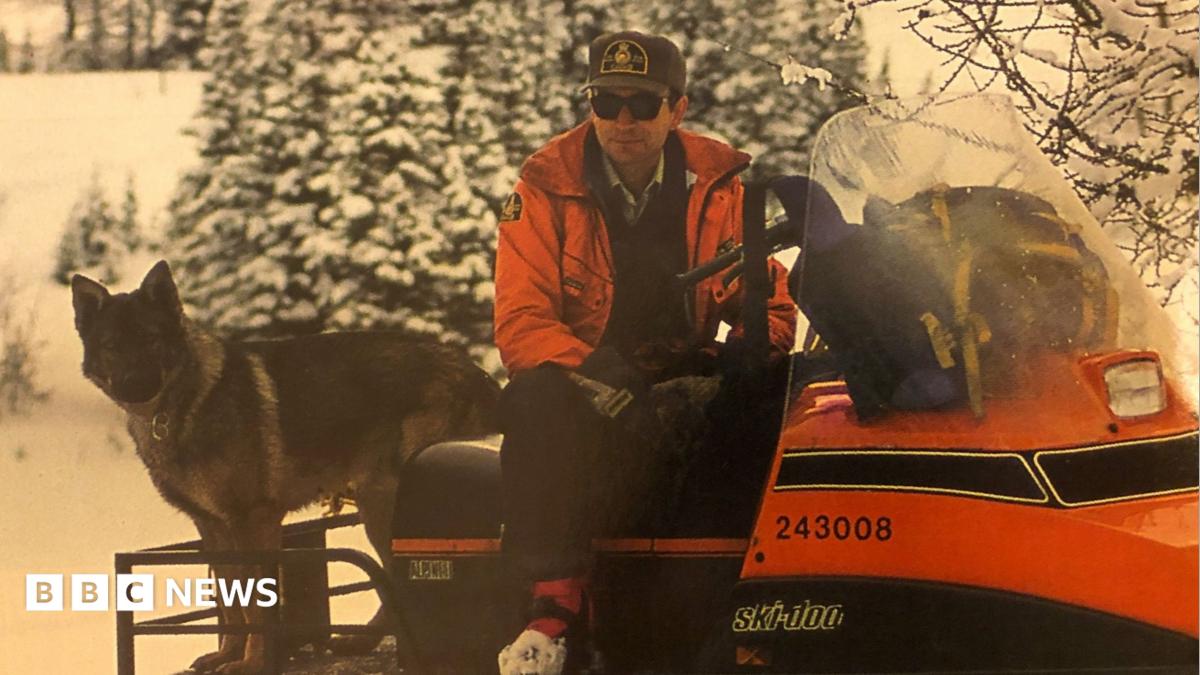
Parks Canada has confirmed it is ending its sole dog handler position in Banff National Park, effectively shutting down a canine search and rescue programme that has operated for 55 years in the Canadian Rocky Mountains. This was reported by Qazaqyia.kz citing BBC News.
The agency called the decision "difficult" and said it is part of efforts to modernise its law enforcement branch, adding that search and rescue operations will continue through other means. The move comes as Prime Minister Mark Carney's government makes broad funding cuts to Canada's public service. Parks Canada announced last week that hundreds of its employees will soon be laid off.
Banff National Park is one of Canada's most rugged areas and welcomes more than four million visitors each year from around the world.
The cut has stirred public outrage, with more than 5,000 people signing a petition since Tuesday to restore the programme. William Stevenson, the Conservative Member of Parliament for the Banff area who started the petition, said he welcomes tighter government spending but that this cut could harm public safety.
"How could they possibly make such a bad choice in where to cut?" he told the BBC.
Scott Ward, 73 and retired, spent 17 years as a dog handler in the wilderness of the Canadian Rocky Mountains, work he described as gratifying. He recalled one instance when his canine partner led him hiking up a steep mountainside for two hours until they reached a man with a broken leg who was close to dying from hypothermia. Another time, he saw the relief on parents' faces when a search and rescue dog found their children safe in the heavily wooded park.
Ward said the programme was cut back over the years to just one person in the role, and he was shocked to hear recently that Parks Canada will end it entirely as of this month.
For 55 years, the government used rescue dogs trained to trace "everything", Ward said, from a small paper clip to shell casings to a human body. After avalanches, a common winter hazard in the area, they were called upon to search for trapped hikers or skiers underneath heavy mounds of snow.
"It saves probers hours and hours of standing shoulder to shoulder and poking in the snow, and also exposing themselves to secondary avalanche hazards," Ward said. In the summer, the dogs helped find children who got lost, often after wandering away from their parents' campsites.
"We lost a huge public safety and staff safety resource," he said.
The last dog in Parks Canada's programme, a German Shepherd named Leroy, was retired in August. During his seven years on the job, Leroy helped track 156 people, find 57 who were lost in the wilderness, and solve two murders in Banff.
A new canine was trained and ready for duty before Parks Canada gave notice last week that the programme would be eliminated as part of recent C$145m ($104m; £78m) budget cuts to Parks Canada, local newspaper Rocky Mountain Outlook reported.
Stevenson also raised the issue in Canada's parliament during a late sitting on Thursday. In response, Ryan Turnbull, a Liberal MP and the parliamentary secretary for finance, said the government is focused on reducing Canada's deficit and "ensuring public funds support growth, resilience and the well-being of Canadians".
Stevenson said he will continue to push on the issue and has asked for a sit-down meeting with Parks Canada's CEO.
Ward hopes the programme will soon be restored. He recalled a quote often uttered by an old park warden who trained him: "You can make an armpit smell like a lilac bush and you can put a man on the moon, but nothing can replace the nose of the avalanche dog."