Canada is hiring dozens of researchers away from US universities, including top research institutions such as Harvard as its relationship with its neighbour continues to sour. This was reported by Qazaqyia.kz citing BBC News.
More than three-fourths of the 64 professors who are moving to Canada from around the world will come from the US. Under a new government programme, they'll receive funding from a pool of C$504m ($362m; £268m) for research in fields such as climate change and medicine.
US President Donald Trump's administration has accused universities of being dominated by left-wing ideology and diversity policies, and of failing to tackle alleged campus antisemitism. The BBC contacted the White House and US Department of Education.
The administration has also frozen federal research grants for many different institutions and groups that they have argued are wasteful. That uncertainty is helping lure researchers elsewhere.
Meanwhile, Canada is asserting itself more on the global stage while it pushes back against the US in their escalating trade war, which reached a major turning point over tariffs recently.
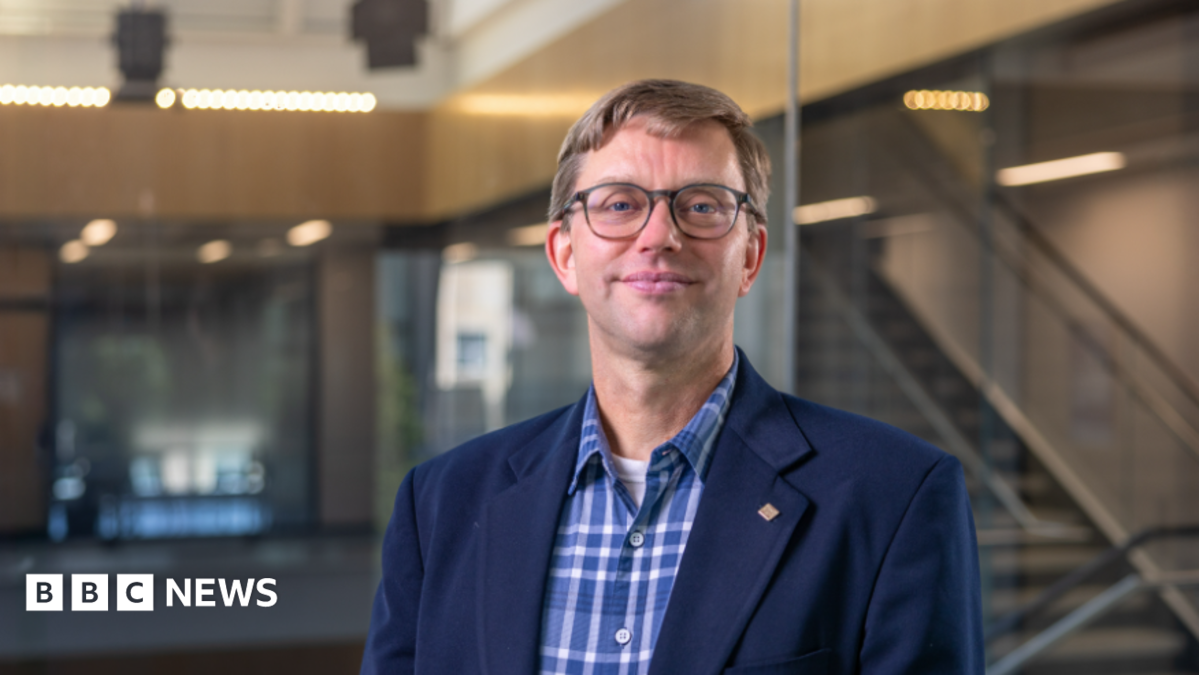
Seth Guikema, a climate resiliency researcher at the University of Michigan and one of the 48 US researchers relocating to Canada, told the BBC he decided to approach Canadian institutions last year in search of opportunities.
"The funding environment in the US for anything related to climate and resilience has become challenging," Guikema said. "I was looking for a good intellectual home where I could have practical impact."
Over the next eight years, Guikema said he would use C$8m to research tools for better preparing for natural hazards, like storms and wildfires, at the University of Western Ontario. His former employer, the University of Michigan, declined to comment.
Canada's Industry Minister Melanie Joly said on Thursday the government was "very glad that these fantastic professors are coming". Asked if the programme was poaching US talent and whether it could be viewed by the Trump administration as an escalation of the US-Canada trade war, she said: "The US administration is taking its own decisions and we're taking ours."
Some of the researchers chosen for the programme, like Guikema, were born and raised in the US. Others are Canadians who worked abroad and are now returning home.
Peter Caravan, who worked for two decades as a biopharmaceutical researcher and professor at Massachusetts General Hospital and Harvard Medical School, appeared emotional at a Thursday news conference announcing the research appointments. Caravan is researching how illnesses like cancers and chronic diseases can be better detected - work that will now be done out of the University of British Columbia in Vancouver.
Steven Lamy, a professor of International Relations at the University of Southern California, argued that major grant agencies "have been cut and politicised" by the current US administration. "All of a sudden employment offers from external universities are attractive," he said.
Stephanie Burt, an English professor at Harvard University, believed the funding cuts were "a generational disaster for science and scientists". She told the BBC that Canada had offered a "far more welcoming environment" for academics.
US universities are still among the top ranked in the world, according to QS Universities Rankings, with the Massachusetts Institute of Technology (MIT), Stanford and Harvard in the top five.
Lynn Pasquerella, the president of the American Association of Colleges and Universities, said institutions feel "helpless" in the face of federal and state cuts. The deeper concern, she added, "is not the short-term brain drain", but "the possibility that the US could become less attractive as a place to pursue knowledge".