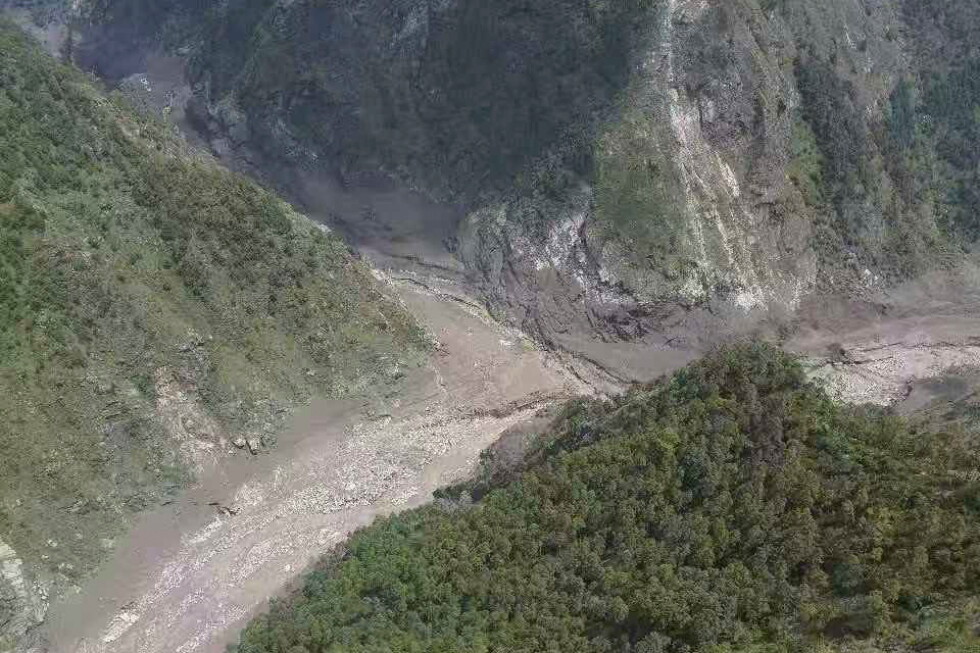
More than 100 of the nearly 1,300 people missing after massive floods in a border area of Nepal and China were on a pilgrimage to Mount Kailash, a sacred site in the Himalayas. The disaster left at least 168 people dead and displaced hundreds of people across the Himalayan region. This was reported by Qazaqyia.kz citing Associated Press.
Where is Mount Kailash?
Mount Kailash is a Himalayan peak in southwestern Tibet, near China's borders with Nepal and India. It rises more than 6,400 meters (21,000 feet) above sea level and lies close to Lake Manasarovar. Both have long been part of Sanskrit religious and literary traditions.
Why is Mount Kailash sacred?
Mount Kailash holds sacred significance for Hinduism, Buddhism, Jainism and the Tibetan Bon tradition. Each associates the mountain with different beliefs and sacred histories.
According to the International Centre for Integrated Mountain Development, the mountain is considered the home of Shiva, the Hindu god of destruction, and Parvati, a Hindu goddess associated with marriage, fertility and motherhood.
Followers of the Tibetan Bon tradition regard it as a seat of spiritual power and associate the region with Tonpa Shenrab, the tradition's founder.
Geographer Emily Yeh, a professor at the University of Colorado Boulder, who has conducted research in Tibet, wrote in 2017 that Kailash is associated with the mythical Mount Meru, considered the center of the world in Hindu and Buddhist cosmology.
Surrounding landscape and legends
The surrounding landscape also figures in local legends and Himalayan traditions. "Shared Sacred Landscapes," a book published by ICIMOD in 2017, gathers some of them.
One story tells of Guru Nanak, the founder of Sikhism, who visits villagers longing to make the pilgrimage to Mount Kailash.