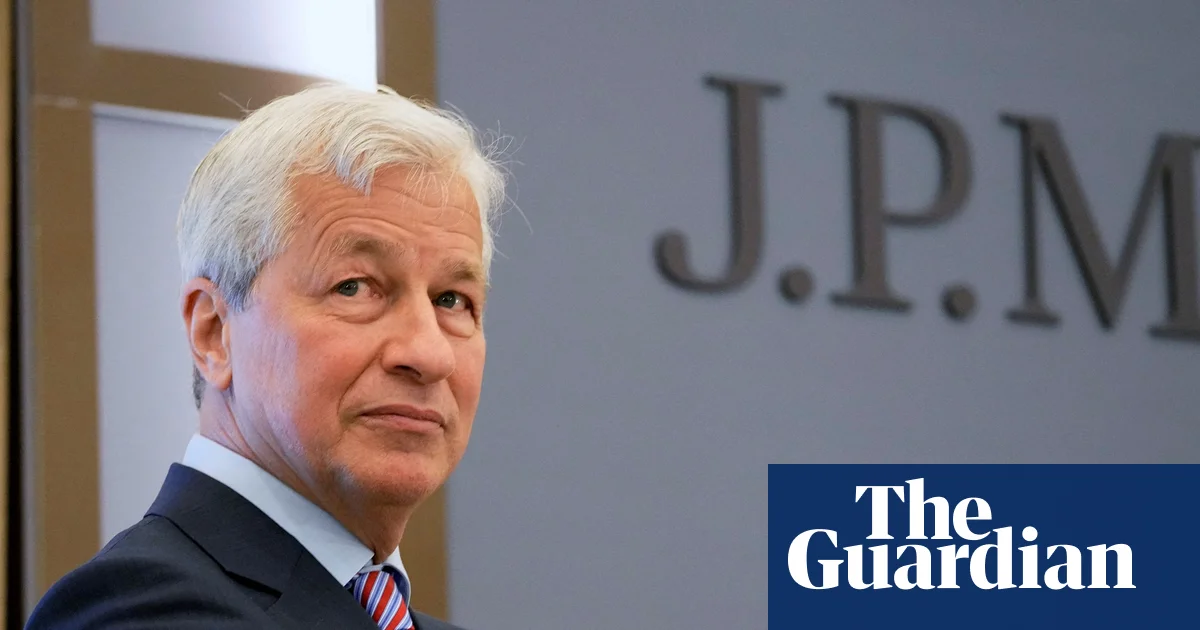
Jamie Dimon, the boss of the US bank JP Morgan, has urged John Healey not to use his first budget as chancellor to increase taxes on banks' bumper profits. This was reported by Qazaqyia.kz citing The Guardian.
Speculation has been growing that a windfall tax could be imposed on UK lenders to fund Andy Burnham's cost of living agenda, with campaigners estimating such a move could raise £19bn.
Dimon told Healey in a phone conversation that higher levies could hit jobs, citing a fall in finance roles in New York that he blamed on the city's tax regime, according to the Financial Times.
The Wall Street billionaire's comments were condemned by Paul Nowak, the general secretary of the Trades Union Congress. He said: "While bank profits continue to soar, ordinary working people are paying more in bigger bills and higher mortgage rates. People are sick and tired of being told they have to tighten their belts while profits, dividends and bankers' bonuses hit record highs. The new chancellor has a clear opportunity to show working people he's on their side by asking banks to pay fair taxes to cut energy bills."
Dimon has a long track record of criticising Britain's additional bank taxes, which were imposed after the government bailed out big UK lenders in the 2008 financial crisis. Lenders in the UK pay a 28% corporation tax rate, higher than the standard 25%, as well as a separate levy on their UK balance sheets.
The chief executive of the world's biggest bank said in July that raising these taxes further could have "adverse consequences", telling the Master Investor Podcast: "It would be one more negative on that bucket of things you got to think about."
Dimon, who was also among the bank bosses who successfully lobbied against higher taxes in Rachel Reeves' budget last year, unveiled plans the day after to build a 3m sq ft tower in London's Canary Wharf district, with the caveat that a "continuing positive business environment in the UK" was required.
In May this year, he said he could scrap plans for the £3bn tower, which is expected to serve as its UK headquarters and house more than half its 23,000 UK workforce, if Keir Starmer were replaced by a new Labour prime minister who was hostile to banks.
Burnham and Healey have not made any specific comments about a bank tax so far. However, they have faced many calls to increase the levy.
Collectively, the UK's four largest lenders: HSBC, NatWest, Barclays and Lloyds, reported £29.2bn in profits over the first six months of the year, with almost half, £13.7bn, pledged to investors through dividends and share buy-backs.
The campaign group Positive Money has said that figure means they could easily shoulder a tax that could ultimately raise £19bn for government spending plans at the October budget.
Responding to Dimon's reported comments, the group's head of advocacy, Simon Youel, said: "Even Margaret Thatcher introduced a windfall tax on banks, recognising that their profits were simply the result of higher interest rates rather than increased efficiency or better service to customers. As well as benefiting from tighter monetary policy at the expense of households and businesses, banks' recent profits have been boosted to record levels by the Bank of England paying higher rates on their risk-free reserves, for which the Treasury foots the bill. Keir Starmer and Rachel Reeves had a chance to recoup banks' huge windfalls at the last budget, but instead they chose to raise taxes on ordinary people. Hopefully Andy Burnham and John Healey won't be fooled by the industry's lobbyists into making the same mistake."