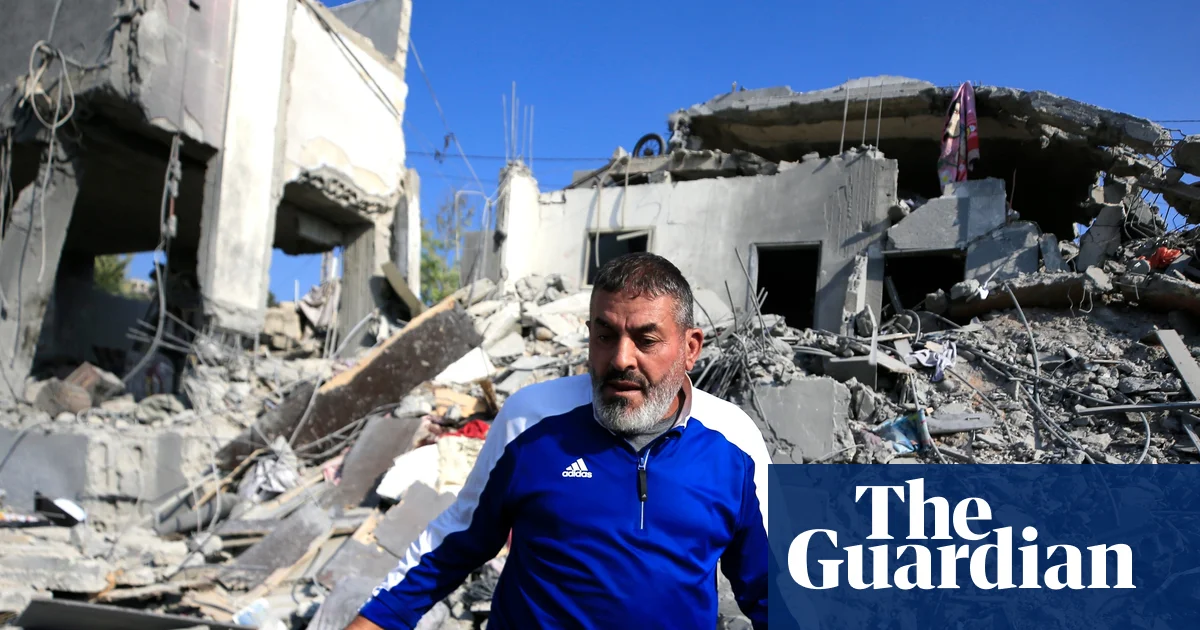
Israeli airstrikes on villages Ansar and Deir al-Zahrani in south Lebanon killed nine people, including three children. This was reported by Qazaqyia.kz citing The Guardian.
Strike on Ansar
On Saturday morning, Israeli warplanes bombed a home on the outskirts of the village of Ansar in south Lebanon, killing seven people and flattening the home. Rescue services were working at the site to try to find survivors and locate bodies.
Strikes on Deir al-Zahrani and Nabatieh
Hours later, Israel carried out another airstrike on a home in the town of Deir al-Zahrani, killing two and wounding nine, covering the streets of the village in rubble and smoke. An Israeli drone also targeted a motorcycle in the nearby city of Nabatieh, but it was unclear if the driver was killed.
Conflict Background
The escalation came despite a June ceasefire in which most fighting between Israel and Hezbollah ended. Residents of south Lebanon wondered if the attacks signalled further escalation to come or if it was safe to stay in their homes. Neither village was in Israel's self-declared "security zone" – a 231-square-mile area of south Lebanon occupied by Israel.
The roads leading out of Nabatieh and the villages around it were choked with traffic after the strikes as people fled north in search of safety.
Israeli Statement
The Israeli military spokesperson, Ella Waweya, said Israel had attacked "Hezbollah infrastructure" in the Ansar and Nabatieh area in response to Hezbollah fighters attacking their soldiers in the Ali Taher area. Ali Taher is a hill where the Israeli military says large underground Hezbollah command and control centres are located; it has been shelling the area for months.
Lebanese PM's Reaction
The Lebanese prime minister, Nawaf Salam, condemned the Israeli attacks, calling them "extremely dangerous" and said they "undermined efforts to establish stability in the south". Salam called on Israel to stop the escalation. "The seven martyrs of the Israeli strike on the town of Ansar were not 'military infrastructure' and the children and women killed were not military targets," he said.
History of Conflict
The latest round of fighting in Lebanon started after Hezbollah struck Israel with rockets on 2 March in retaliation for the killing of the late supreme leader of Iran. Israel responded with an aerial campaign and invasion that killed more than 4,300 people and left about 6% of the country's territory occupied by Israel.
Violence has significantly decreased since the signing of a US-Iran memorandum of understanding in June on the broader Middle East war, and a US-sponsored framework deal between Lebanon and Israel agreed later that month.
But Lebanon still reports intermittent Israeli strikes occasionally causing casualties, and the broad demolitions of civilian buildings in southern villages and towns.
NNA Report
The news agency NNA said "the valley between Ansar and Zarariyeh was also subjected to a strike, the first at this geographical depth since the ceasefire two months ago". It also said "Israeli warplanes carried out a series of airstrikes targeting the Ali al-Taher ridge". The news agency said Israeli forces detonated homes in the town of Bint Jbeil near the border.
Deal Terms
The Israel-Lebanon framework deal includes the disarmament of Hezbollah, a gradual withdrawal of Israeli forces from south Lebanon, and the deployment of the Lebanese army to the region, starting in "pilot zones".
Hezbollah Chief's Statement
On Friday, Hezbollah's chief, Naim Qassem, accused Lebanese authorities of subjecting the country's armed forces to undue pressure by implementing the deal. "How can you accept this ongoing humiliation of the Lebanese army, exposing it to bombardment and Israeli pressures, instead of acting as its protectors?" he said.
Human Rights Watch Appeal
This week, Human Rights Watch urged the UN to keep an international force in Lebanon after its peacekeepers' mandate ends this year, saying "peacekeepers are a crucial deterrent against attacks on civilians and human rights abuses".