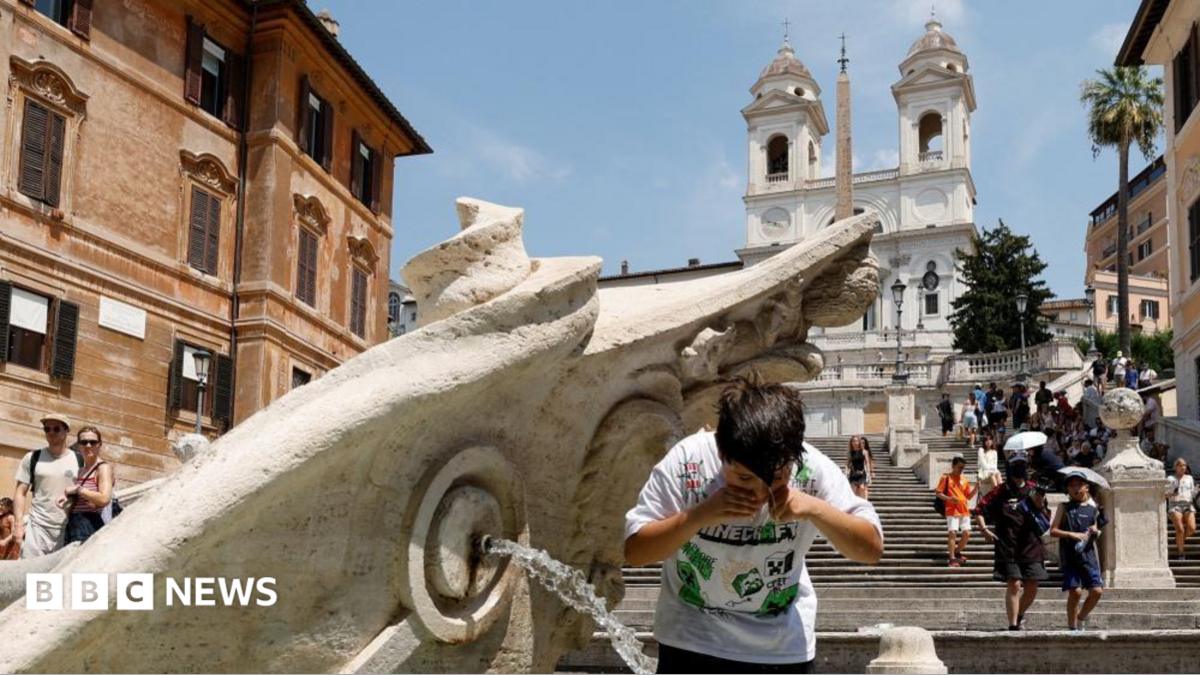
Temperatures across Italy are soaring to levels deemed threatening to people's health and wellbeing. This was reported by Qazaqyia.kz citing BBC News.
Looking ahead to Thursday, the ministry of health has issued a red alert for all of Italy's 27 major cities, including popular tourist destinations Milan, Naples, Venice and Rome.
As Europe's holiday season continues, the BBC spoke to experts about how to make the most of Italy during this latest heatwave.
While some Italians say the current heat is "not a new phenomenon" given climate change, others from southern Italy have voiced their shock when visiting northern cities and towns.
Visiting outdoor attractions during Italy's hottest hours (after lunchtime) is a "big mistake", Simone Quilici, director of the Archaeological Park of the Colosseum, tells the BBC.
The Colosseum is not prescriptive about when people should visit, instead directing visitors to guidance from the regional authorities.
To make visits cooler, the ministries of tourism and culture are allowing some attractions to stay open into the evening. Last week the government shared these additional opening hours during August:
- 01Colosseum (Rome) - open Fridays and Saturdays between 19:45 to 23:30
- 02Pantheon (Rome) - open from 19:00 to 23:00 every day except Thursdays
- 03Sforza Castle (Milan) - open from 17:30 until 19:30
In the Colosseum, cooling fans with mists have been set up in the entrances. Staff have also increased the number of medical stations available for emergencies.
While temperatures are high, Rome has become used to it, Quilici says, explaining this is not an isolated situation but the "global phenomenon" of climate change.
In Rome, Mateo Medina says his team have introduced tours from 22:00 until midnight. Medina, director of operations at Vivicos International Travel, has also seen higher demand for 08:00 tours.
Air conditioned museums are unsurprisingly top of the heat-escaping list. Visiting some of Italy's many churches is another way to shelter from the heat, while absorbing the Catholic nation's heritage.
Cooking classes and wine tasting sessions - usually hosted in venues with air conditioning - are becoming a popular alternative to walking tours, Medina says. He also recommends the capital's parks - villa Borghese, villa Adriana, Parque de Acquedotti - for shade, and visiting the underground Catacombs of San Sebastian and San Callisto.
Marco Carrino, a tour guide in Naples, warns against visiting open archaeological sites during the hottest hours of the day. Many of his tours are to Pompeii. He recommends getting up early or, if possible, avoiding the hotter months altogether.
He also encourages tourists to head to the National Archaeological Museum of Naples, which he says is "very important for archaeology and has a great Roman, Egyptian and even Greek collection".
For Italian travel expert and writer Alessia Armenise, supermarkets are an underrated gem. As well as being air conditioned, she says you can do what she does and head to their deli counters and grab a reasonably priced, fresh and made-to-order sandwich "instead of queuing for those silly focaccia places that honestly taste the exact same".
If you are somewhere in Italy with a natural body of water, or any water feature, plan your activities around it, Armenise says.