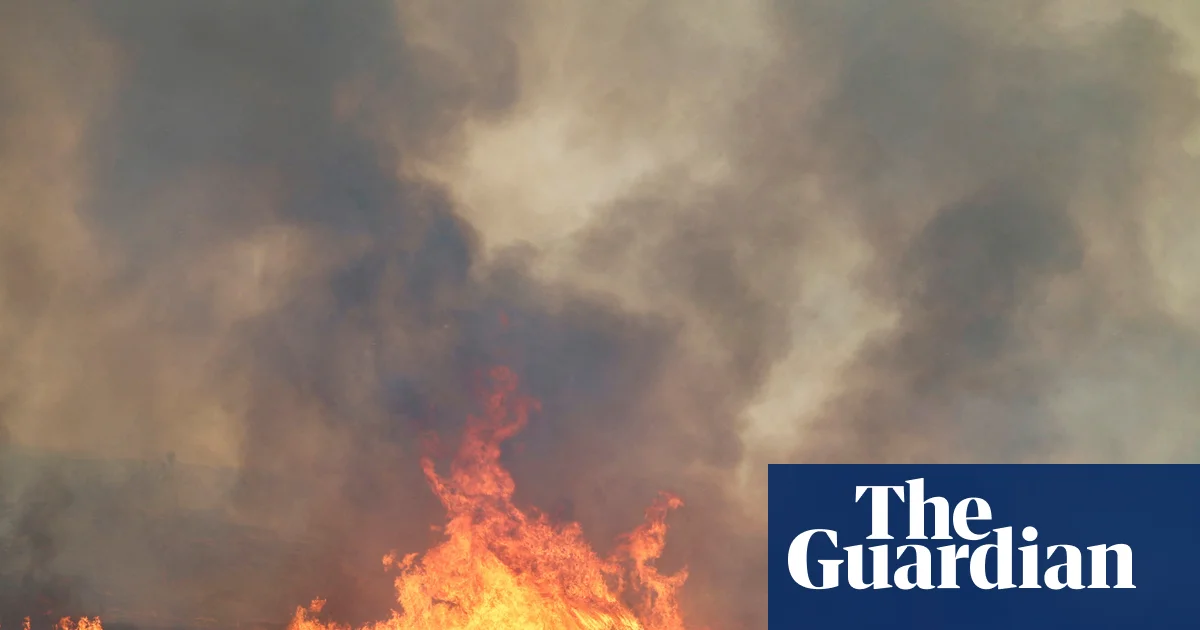
A fast-spreading wildfire in Almería, southern Spain, has killed at least 12 people, injured 8, and left 23 unaccounted for, scorching 3,800 hectares. This was reported by Qazaqyia.kz citing The Guardian.
The thick black smoke from wildfires is far more deadly than the flames. A 2024 study found that wildfire pollution kills 1.53 million people annually, with a bad season in a single country like Canada in 2023 leading to tens of thousands of deaths worldwide. Last year's fires in Spain and Portugal caused 2,000 premature deaths.
Guillermo Rein, a fire scientist at Imperial College London, said the Los Gallardos wildfire faced "the worst possible combination: a point of ignition in a vast landscape of extremely dry vegetation, strong winds, and a nearby community that was unprepared." These conditions allowed flames to spread rapidly toward homes.
Western Europe is enduring its third heatwave in two months. This year's fires are among the deadliest in Spanish history, burning double the usual area, with triple the number of fires and above-average emissions, according to the European Forest Fire Information System.
The steep terrain of the Sierra de Bédar contributed to rapid fire spread. Temperatures reached nearly 42°C after several days above 35°C. Gustavo Saiz, a senior scientist, noted that just a few weeks without rain in summer make fine fuels highly flammable.
The depopulation of rural Spain alarms fire experts, as aging populations and youth migration to cities lead to vegetation overgrowth, increasing mega-fire risks. Juan Picos, a forest fire scientist, compared shock at "unprecedented" wildfires to climbing a mountain and being surprised each day at reaching a new height.