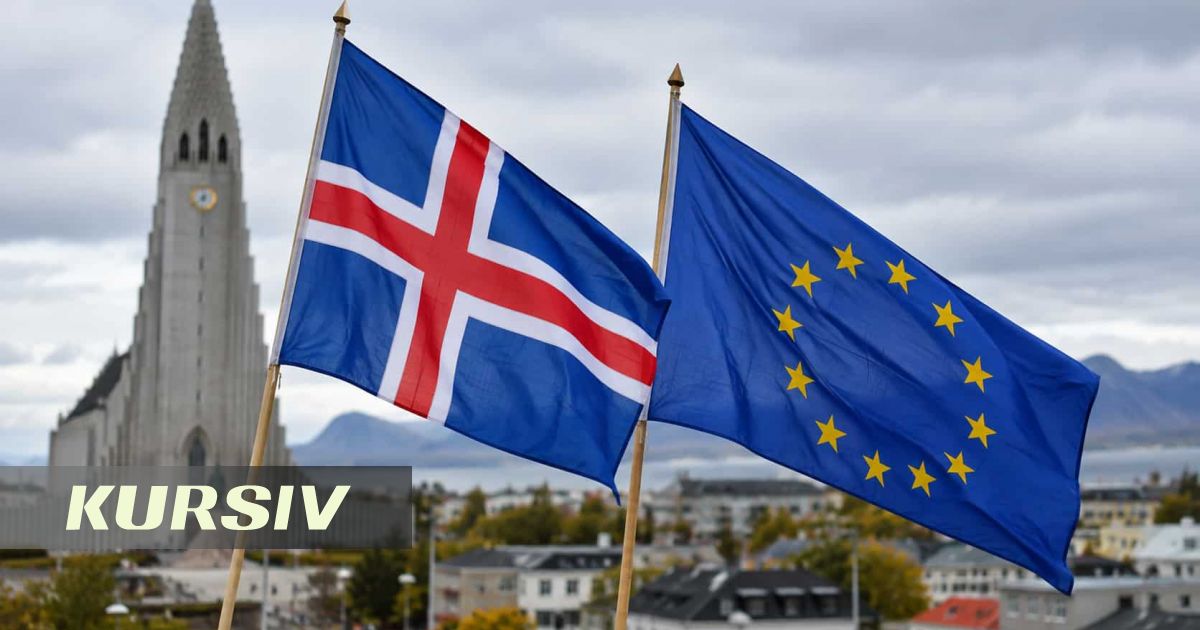
Iceland has voted against joining the European Union in a referendum. This was reported by Qazaqyia.kz citing Reuters.
Counting in one district is still incomplete, but the remaining ballots are not expected to change the outcome.
The referendum was initiated by the government, which proposed resuming EU accession talks. Authorities presented membership as a way to reduce risks of trade conflicts and strengthen the country's position amid growing competition in the Arctic.
Prime Minister Kristrún Frostadóttir had previously warned that a negative result would effectively postpone the EU question indefinitely.
Proponents argued that joining the EU could help lower interest rates and boost economic resilience. They also linked possible membership to additional security guarantees amid the war in Ukraine and statements by US President Donald Trump about potential annexation of Greenland.
Opponents insisted that EU membership could threaten the country's sovereignty and control over fishing zones.
Iceland previously applied for EU membership in 2009, when the country was suffering from the financial crisis. In 2013, a eurosceptic government halted the talks.
Domestically, the campaign focused on interest rates, cost of living, and fishing rights. Iceland's central bank base rate is 8%, while the European Central Bank's rate is 2.25%.
Proponents also hoped that EU membership and a possible switch to the euro could help reduce the cost of loans. Opponents believed that the country's economic problems should be solved within Iceland.
Fishing was a separate point of contention. Under EU rules, quotas are allocated based on historical catch volumes. Some Icelandic officials argued that the country could retain control over its waters because EU states have not fished there for decades. Opponents of membership disagreed.
Earlier, Kursiv reported that at a round table "Kazakhstan – EU" in Brussels, President Kassym-Jomart Tokayev announced new commercial agreements worth nearly $1 billion. According to him, the EU remains Kazakhstan's largest trade and investment partner, accounting for almost half of foreign direct investment, with trade turnover exceeding $45 billion last year.