A tentative deal to end the Iran war makes it reasonable to ask how soon prices will drop for gasoline, groceries, airline tickets and other items that got more expensive during the conflict. This was reported by Qazaqyia.kz citing Associated Press.
Even after oil starts flowing again from the Middle East, it could take a while for consumers to see a difference at local fuel pumps, supermarkets and other places they shop, according to economists and industry analysts.
Fighting over the Strait of Hormuz disrupted not only supplies of crude and refined fuel but also the supply chains for fertilizer, food and even footwear. Businesses expect higher costs to linger, which means their customers might need to prepare for that too.
According to Associated Press, it is not clear that prices will return to pre-war levels anytime soon. Experts point to disrupted supply chains and the time needed for markets to recover.
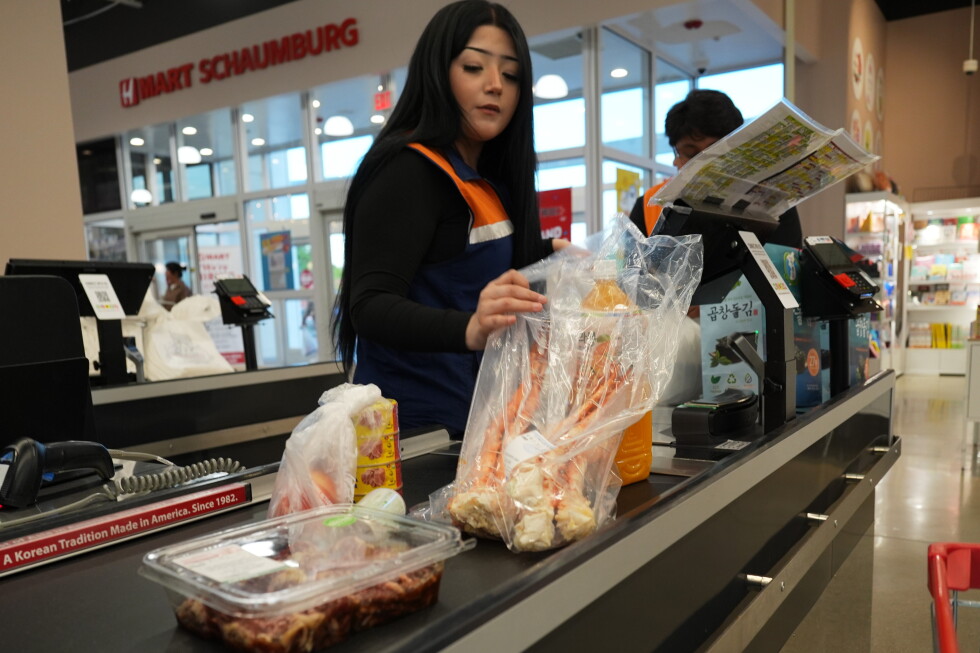
Photos accompanying the article show: an employee at a grocery store in Schaumburg, Ill.; an American flag next to a fuel stop sign in Wilmington, Ohio; people paddling along the shoreline as cargo ships are anchored in the Strait of Hormuz off Bandar Abbas, Iran; a customer checking gas prices in Lincolnshire, Ill.; and Congress party supporters protesting rising prices in Jammu, India.
Economists say that even after oil resumes flowing from the Middle East, it will take time for local gas stations to reflect the change. This is especially true for gasoline, groceries and airline tickets.
Associated Press reports several factors that will keep prices high even after the war ends: disrupted supply chains, logistical challenges, and the time needed for market recovery. Experts advise consumers to brace for continued high prices.