The war with Iran has renewed concerns about the lasting toll of traumatic brain injuries (TBI) on US troops. This was reported by Qazaqyia.kz citing Associated Press.
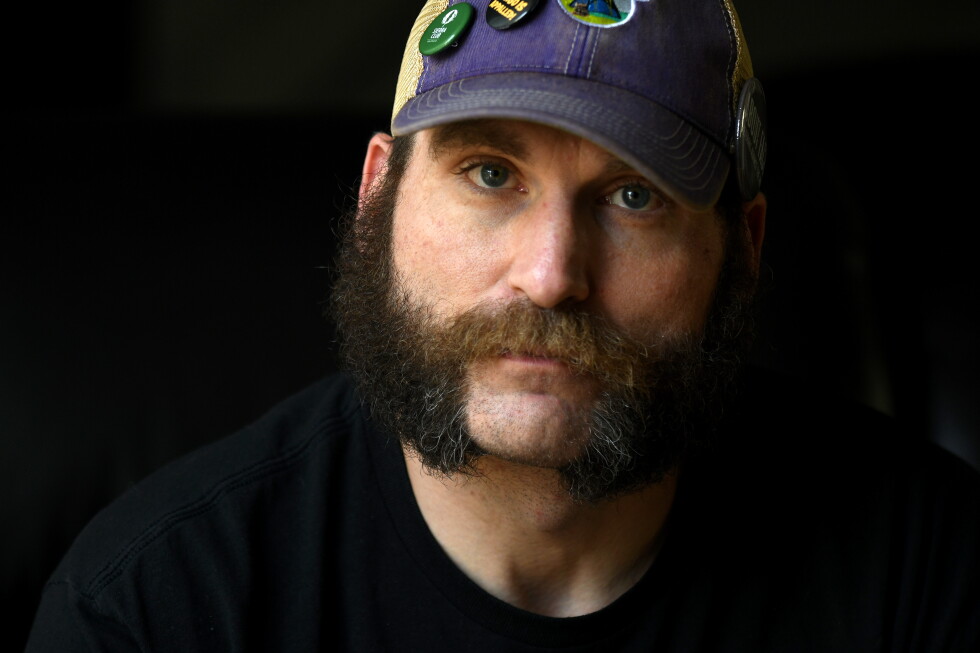
Joe Shearer, a Marine veteran of the Iraq war, still suffers from the effects of a traumatic brain injury sustained in 2005 during combat. He gave an interview to AP at his home in Colorado Springs. According to Shearer, the blast knocked him down, and he was later diagnosed with TBI.
Army veteran Frank Sonntag has also faced similar issues. In a photo taken in February 2025 in Arizona, he shows his condition.
Experts say the effects of brain injuries can appear years later. This is especially relevant for service members who received new injuries during recent conflicts with Iran.
Doctors emphasize the importance of early detection of TBI symptoms and timely treatment. Otherwise, depression, memory loss, and other serious complications may occur.
The US Department of Defense is expanding its screening program for service members for traumatic brain injuries. However, according to veterans, these measures are insufficient.
Veterans like Shearer and Sonntag share their experiences to help others. They demand long-term support from the government for those struggling with TBI.
The consequences of the war with Iran are not yet fully understood. Experts warn that the number of new injuries may increase.
The US military medical service is introducing new technologies to improve the diagnosis and treatment of TBI. But, according to veterans, the main thing is systematic help and public support.
Joe Shearer's story is an example of a struggle that continues even after the Iraq war. He wants to give hope to others through his experience.
Frank Sonntag also urges not to feel alone. He recommends participating in support groups for veterans with TBI.
Although the war with Iran is over, its consequences still affect many American families. This problem requires long-term attention and solutions.