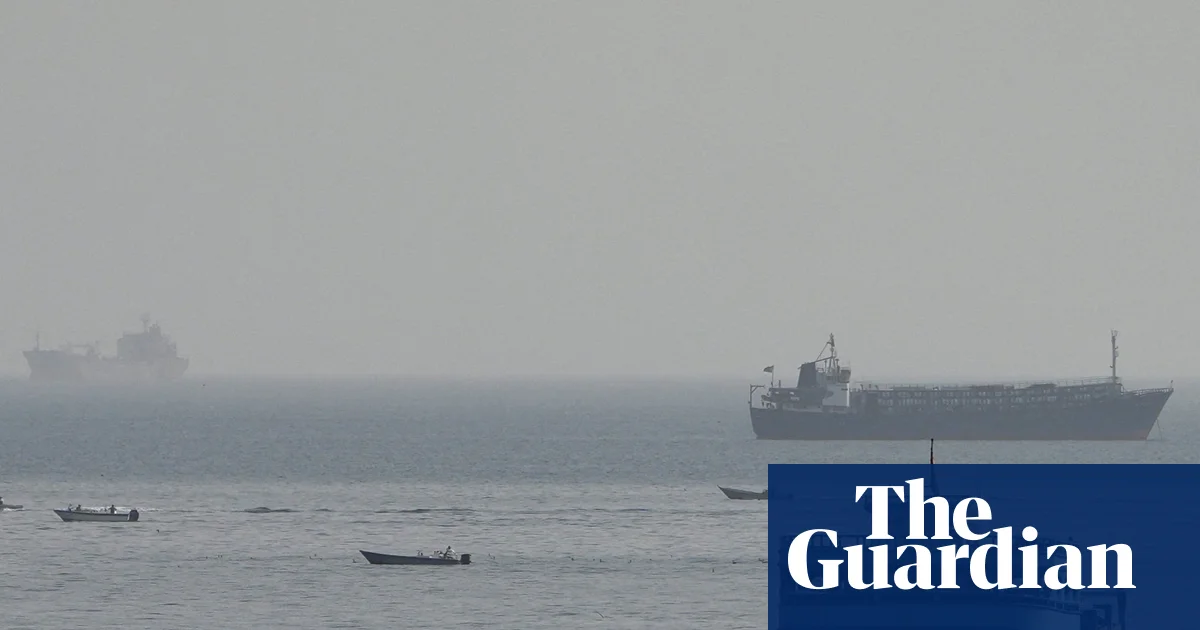
Iran and Oman have reached an understanding on the geographic coordinates for a shipping route through the Strait of Hormuz, and a joint announcement is being finalised provided certain third parties do not interfere. This was reported by Qazaqyia.kz citing The Guardian.
Iran's foreign ministry spokesman Esmail Baghaei said on Wednesday that any such agreement between Iran and Oman would not, by itself, guarantee security in the strategic waterway.
The essence of the deal
The proposed deal between Iran and Oman would give Tehran control over ships entering the gulf through the Strait of Hormuz, a senior Iranian source and two regional officials told Reuters on Wednesday. This is one of the biggest concessions yet to Iran.
Significance of the deal
The deal appears to be a stepping stone toward a broader ceasefire agreement with the United States that would reopen the Strait of Hormuz for marine traffic and lift a US blockade on Iranian ports that has brought upheaval to global energy markets. It comes as Donald Trump has claimed that there could be an announcement as soon as Wednesday on a separate US-Iran peace deal.
But the sources pushed back against assertions by Trump that a deal reopening the strait was imminent, saying important details still had to be agreed.
Historical context
If endorsed by the US, the Iran-Oman deal would mark a significant concession by handing partial control over the waterway to Tehran. The Strait of Hormuz was a neutral waterway before the US and Israel launched joint strikes in February, prompting Iran to attack shipping in the region.
Negotiation progress
Baghaei described the negotiations between Tehran and Muscat as "professional" and "moving forward", saying "the two sides had reached a mutual understanding on the geographical parameters of the route under discussion".
Baghaei added that, if some third parties do not obstruct the process, the joint statement between the two countries, containing the main considerations and key points of understanding, was in the final stages of review and drafting.