The United States and Iran reached an initial agreement early Monday to extend their shaky ceasefire and lead to the reopening of the Strait of Hormuz, but challenges immediately loomed, including Israel insisting it would hold onto land seized in Lebanon as it battles Hezbollah. This was reported by Qazaqyia.kz citing Associated Press.
Details of the deal, which would potentially allow desperately needed oil and natural gas to reach the global market through the critical waterway, were not immediately released. Iran signaled implementation would not start until the signing, which key mediator Pakistan said would take place Friday in Switzerland.
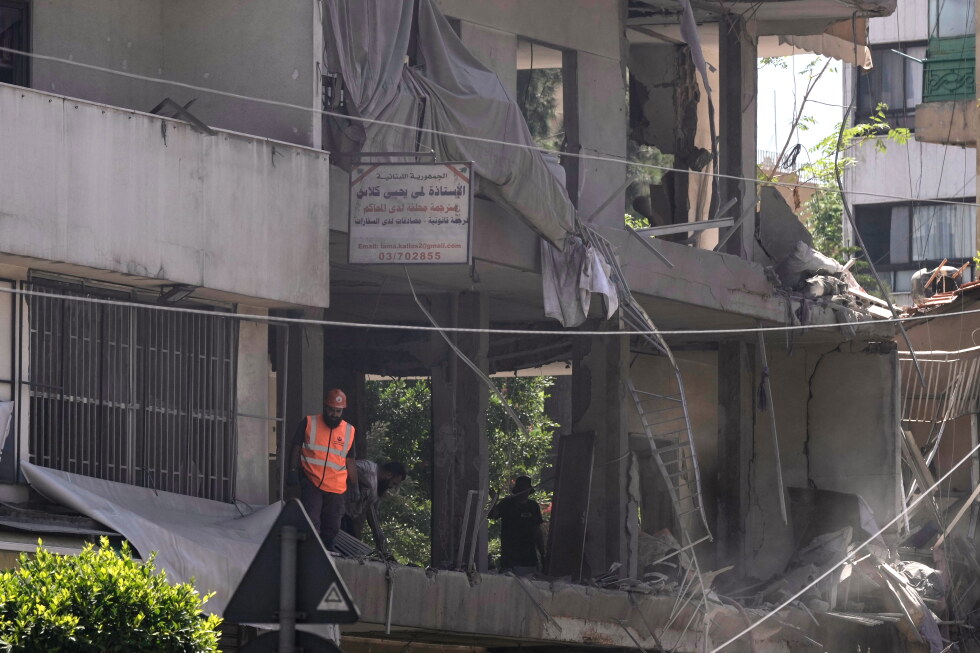
But the memorandum of understanding over the war already faced hurdles. Israel’s continued hostilities with the Iranian-backed militia Hezbollah in Lebanon, where Israel bombed Beirut’s southern suburbs Sunday, nearly derailed the negotiations. Israel joined the U.S. in launching the war on Feb. 28.
In the first official Israeli comments after the announcement of the deal, Defense Minister Israel Katz said Israel won’t withdraw from land seized in Lebanon as the interim deal is pending. Katz said Israel plans to stay “indefinitely” in lands it holds in Lebanon, as well as Syria and the Gaza Strip. Iran has tied the interim deal over the war to halting Israel’s attacks on Hezbollah in Lebanon.
Katz also threatened that if Iran attacks Israel over Israeli strikes in Lebanon, Israel will strike Iran with “great force.”
Over the past 2 1/2 years, Israel has taken control of areas in Gaza, Lebanon and Syria amounting to 1,000 square kilometers (386 square miles) of territory — an area that is slightly smaller than New York City.
Meanwhile, the deal between the U.S. and Iran gives just 60 days to resolve what to do about Iran’s stockpile of highly enriched uranium and its atomic program. That took years to resolve in Tehran’s 2015 nuclear deal with world powers. U.S. President Donald Trump unilaterally withdrew America from that accord in his first term, setting the stage for the tensions that culminated in the current war.