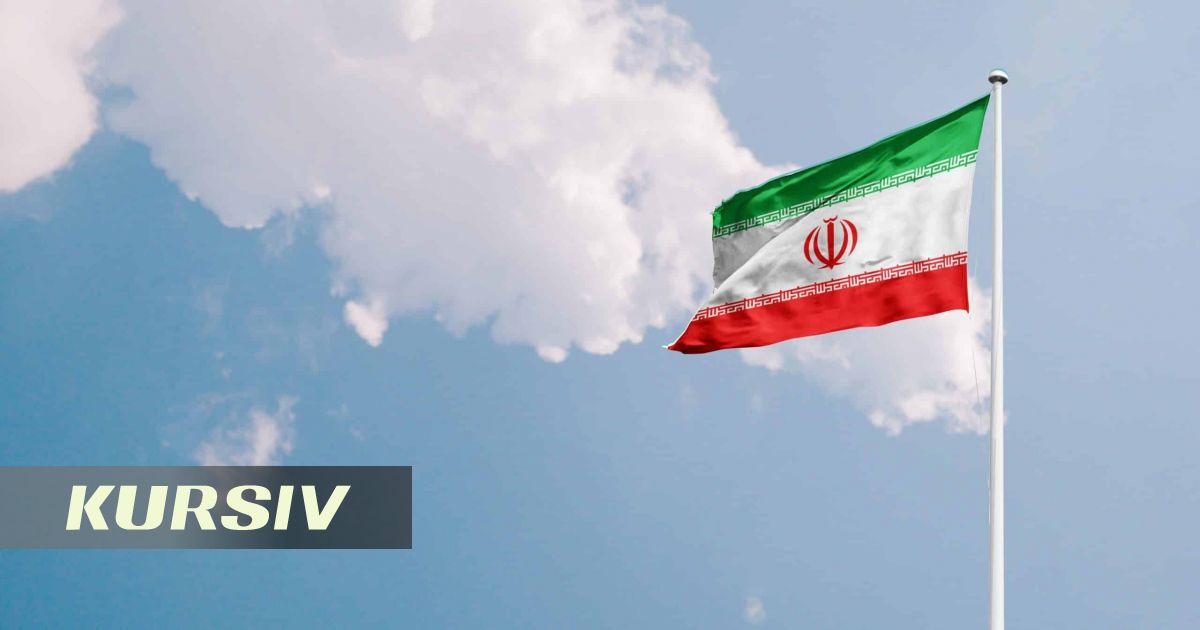
Iranian Foreign Minister Abbas Araghchi wrote on social media that Iran has put its army on full combat alert following threats from US President Donald Trump. This was reported by Qazaqyia.kz citing Kursiv Media.
"Foreign forces near our territory are constantly at risk due to their own human errors, simple accidents, or the potential of being caught in crossfire. To reduce the risk, the best solution for foreign forces is to leave as soon as possible," Araghchi noted.
According to him, the Strait of Hormuz is not international waters and is thousands of miles from the US coast.
Earlier, Kursiv reported that Trump accused Iran of downing a US helicopter over the Strait of Hormuz. In his opinion, Washington must respond to this attack. He made the statement on social media after the crew of an Apache helicopter was evacuated from the crash site using an unmanned naval vessel.
According to US Central Command, the helicopter fell early Tuesday morning during a patrol near the strategic waterway off the coast of Oman. The causes of the incident have not yet been officially established, and an investigation is underway.
Recall that the incident occurred against the backdrop of a sharp escalation in the Middle East. Clashes and mutual strikes continue in the region, and the Strait of Hormuz remains one of the key points of tension.
Trump also stated that negotiations with Iran on a possible agreement are ongoing and could approach a result in the coming days, but he did not disclose details.
The day before, the US president told journalists that he had convinced Israeli Prime Minister Benjamin Netanyahu to stop strikes on Iran.
International mediators, including Pakistan, are trying to advance the negotiation process between Washington and Tehran, but the parties still hold tough positions on key issues.
In particular, Trump demanded the destruction of Iranian enriched uranium. Tehran, in turn, officially rejected the idea of transferring the stockpiles but allows discussion of options for diluting or moving them.
Earlier, Kursiv wrote that Kazakhstan could become a site for storing Iran's uranium stockpiles if Washington and Tehran reach a nuclear deal.