Strikes by the US and Saudi Arabia against Iran-allied fighters in Iraq have put Iraq's government in a delicate position. This was reported by Qazaqyia.kz citing Associated Press.
Since the 2003 US-led invasion, Iraq has walked a tightrope between Washington and Tehran, seeking to avoid becoming a battleground for rival powers. The balancing act has only grown more fraught since the US and Israel went to war with Iran in February.
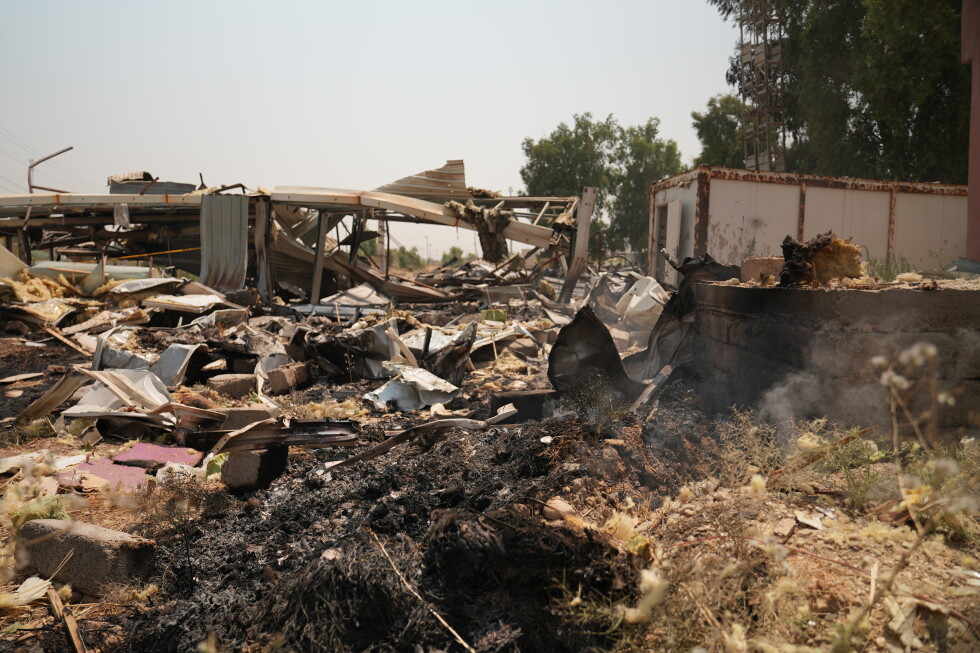
Saudi Arabia had accused Iraqi armed groups of using drones to attack its oil facilities. The retaliatory strikes in Iraq hit bases of the Popular Mobilization Forces (PMF), a collection of armed groups close to Iran that are officially part of Iraq's security forces but often operate outside of state control. The groups have also attacked US forces who are in Iraq at the invitation of the government.
The Iraqi government has given non-state armed groups until the end of September to disarm, but some of the most powerful — and the closest to Iran — have said they have no intention of doing so.
US President Donald Trump has been effusive in his praise of Iraq's new Prime Minister Ali al-Zaidi, a political outsider and fellow businessman. But the Iraqi leader is likely to face mounting US pressure to rein in the PMF, and confronting them directly could lead to internal unrest.
The PMF is a coalition of primarily Shiite, Iran-backed armed groups that joined in the fight against the Islamic State group after it seized large sections of Iraq in 2014. Some have roots in the Shiite insurgency that erupted after the 2003 invasion.
During the war against IS, the PMF were allies of convenience with a US-led international coalition battling the Sunni extremists. In 2016, Iraq designated the PMF as an "independent military formation" within the armed forces, but many of the factions remain largely autonomous.