As a morning fog lifted over Maine's York River, Mike Masi and his two interns stood on a dock sorting through a mound of one of the region's most despised crabs, hoping to find a few that would end up on a gastronome's plate somewhere in New England. This was reported by Qazaqyia.kz citing Associated Press.
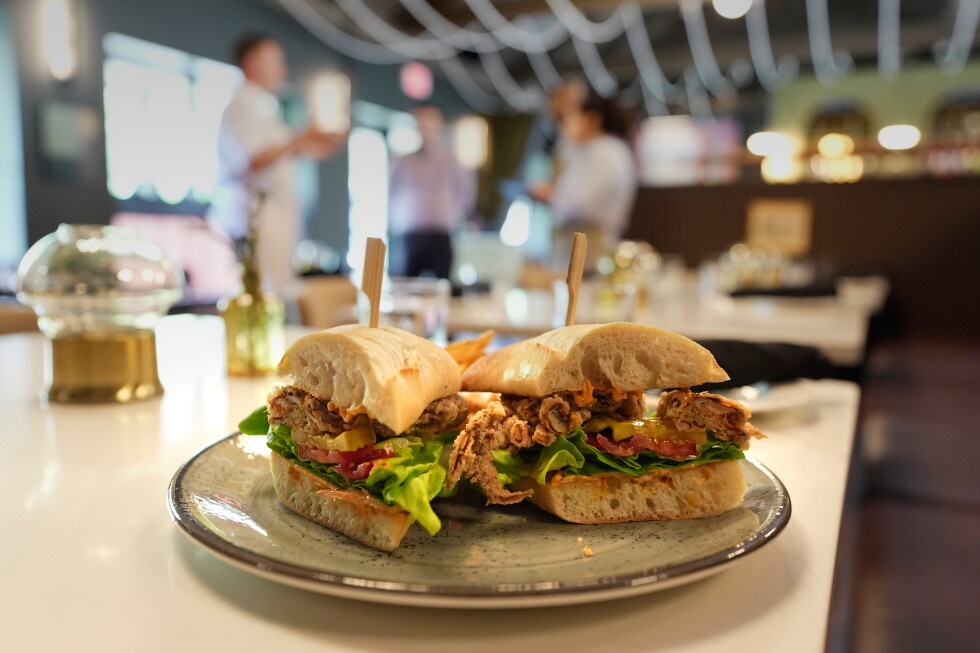
The trick is to identify invasive European green crabs that are about to shed their hard shell, or molt, revealing a softer exterior that has the feel of a leather couch, and are popular at restaurants. Not only do these green crabs fetch more money — Masi can get $3 a crab at market compared to as little as 8 cents for a hard shell — but catching them provides a service of sorts to the ocean's ecosystem.
"Just about everyone hates them and we're trying to turn them into a premium seafood product," said Masi, whose company, shell+claw, is the only one that commercially cultivates these crabs.
Masi, a 45-year-old former marine science teacher, is part of a growing movement across New England aiming to lessen the crabs' destructive impact by developing new markets. Others are putting green crabs in pet treats, fish sauce and even a line of green crab whiskey in New Hampshire.
The green crabs, Carcinus maenas, made their way from Europe to the East Coast in the ballast waters of ships hundreds of years ago. Numbering in the tens of millions, they outcompete Atlantic rock crab and juvenile lobster, destroy eelgrass beds and undermine salt marsh banks. They also are costing the region's shellfish industry tens of millions of dollars each year, as they eat mussels, oysters and soft-shell clams.
Chad Coffin, a clam fisherman from Maine, blamed a dramatic decline in his catch on the emergence of green crabs. Soft-shell clam landings have gone from 7.8 million meat pounds in 1978 to 1.3 million pounds in 2025, according to the state.