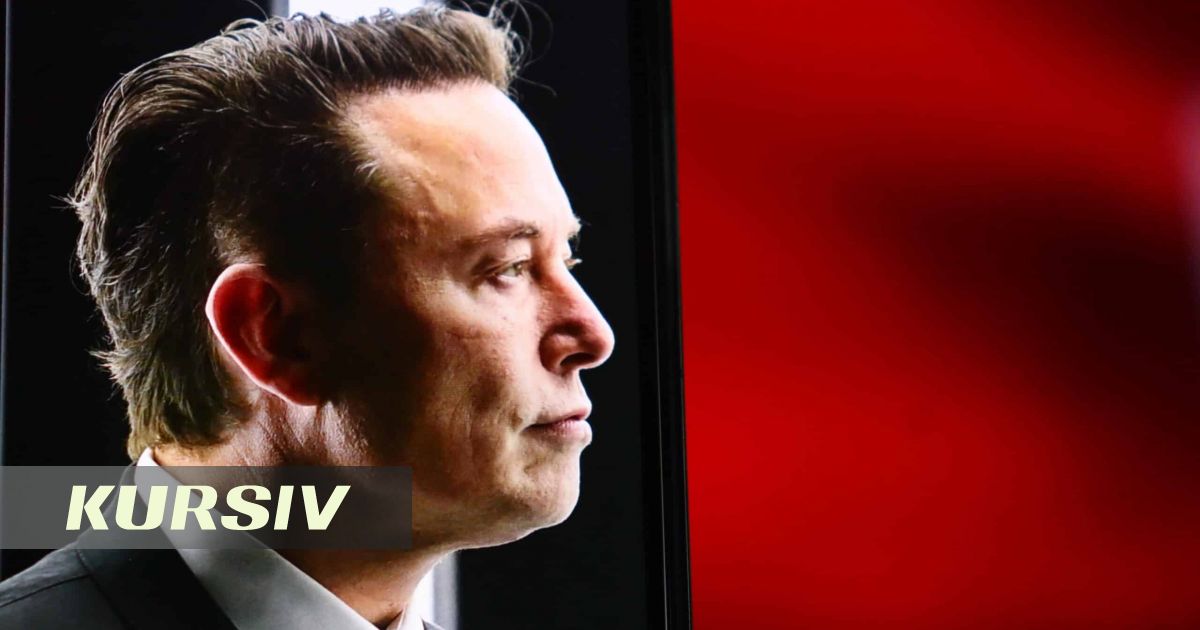
Tesla and SpaceX CEO Elon Musk endorsed a forecast that the development of artificial intelligence will eventually make traditional browsers, websites, and most software unnecessary. This was reported by Qazaqyia.kz citing Kursiv Media.
The discussion was sparked by a post from X user Rational Aussie, who suggested that web browsers "will disappear much sooner than many think" as active AI users increasingly work directly with neural networks.
"An analogue of Google My Business will appear, where each company creates its own Claude account and has an AI Claude representing it with a unique name, identity, and contact details. Individuals and companies will be able to join a huge multiplayer online network of human-AI hybrids, where AI finds exactly what you need by communicating with other AIs and people in the background. Once this appears, browsers will die, websites will die — AI will consume everything," the author wrote.
German software developer and Amarok media player creator Mark Kretschmann expanded on this idea. In his view, not only browsers but also websites and most conventional software will disappear in the future, as personal AI agents will handle all tasks.
Elon Musk responded to Kretschmann's post with a brief comment: "True," thereby expressing agreement with this scenario.
This is not the first time the billionaire has made bold statements about the future of artificial intelligence. Previously, Musk called for a pause in the development of the most powerful AI systems, warning of potential risks. He also stated that by 2030, AI could become smarter than all humans on the planet combined.
Earlier, Kursiv reported that Elon Musk's wealth exceeded $1 trillion for the first time after SpaceX's record IPO. The company set the offering price at $135 per share and raised $75 billion, making it the largest IPO in US history. As a result, SpaceX was valued at $1.77 trillion and became one of the most valuable companies in the world.
Later, it became known that Musk lost his trillionaire status in Forbes and Bloomberg rankings after a decline in SpaceX's stock price.